Amsterdam Canal Cruises

Sail the Emperor’s waterway: A guide to Keizersgracht cruises

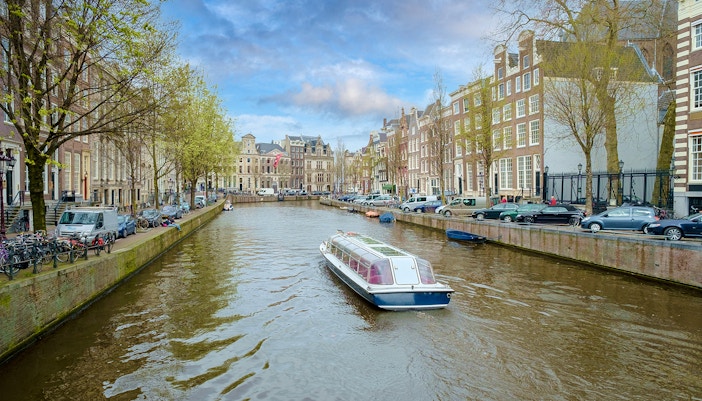
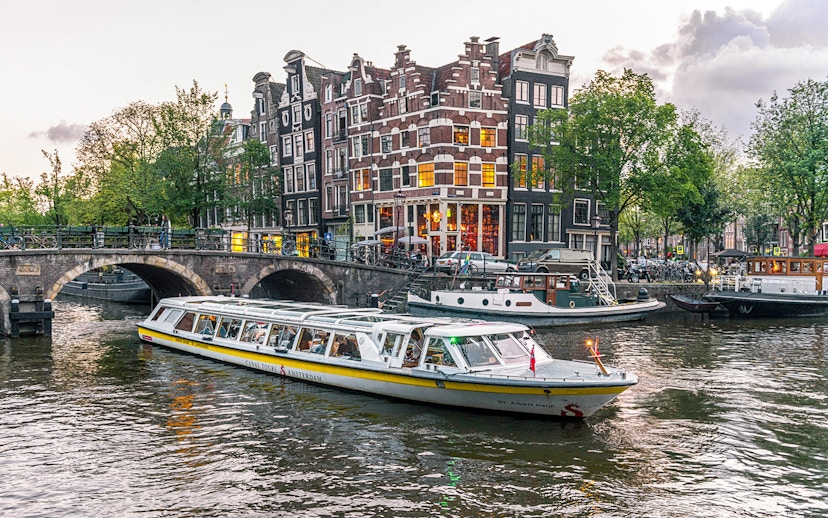
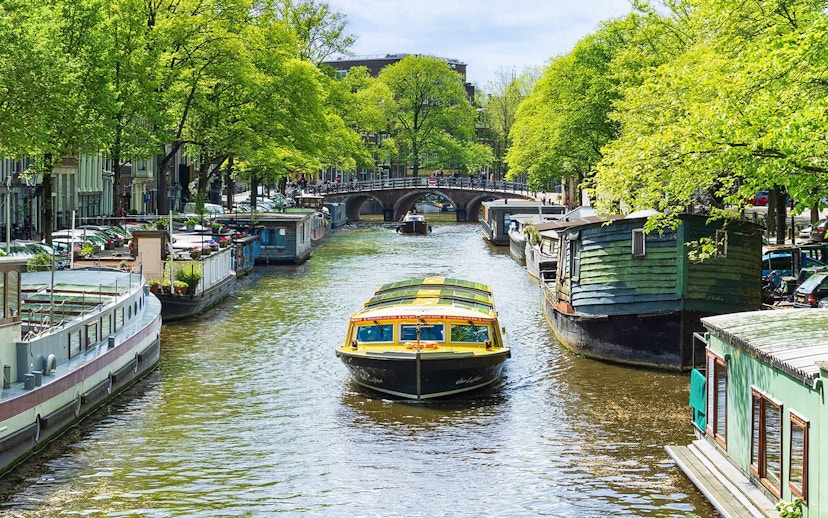
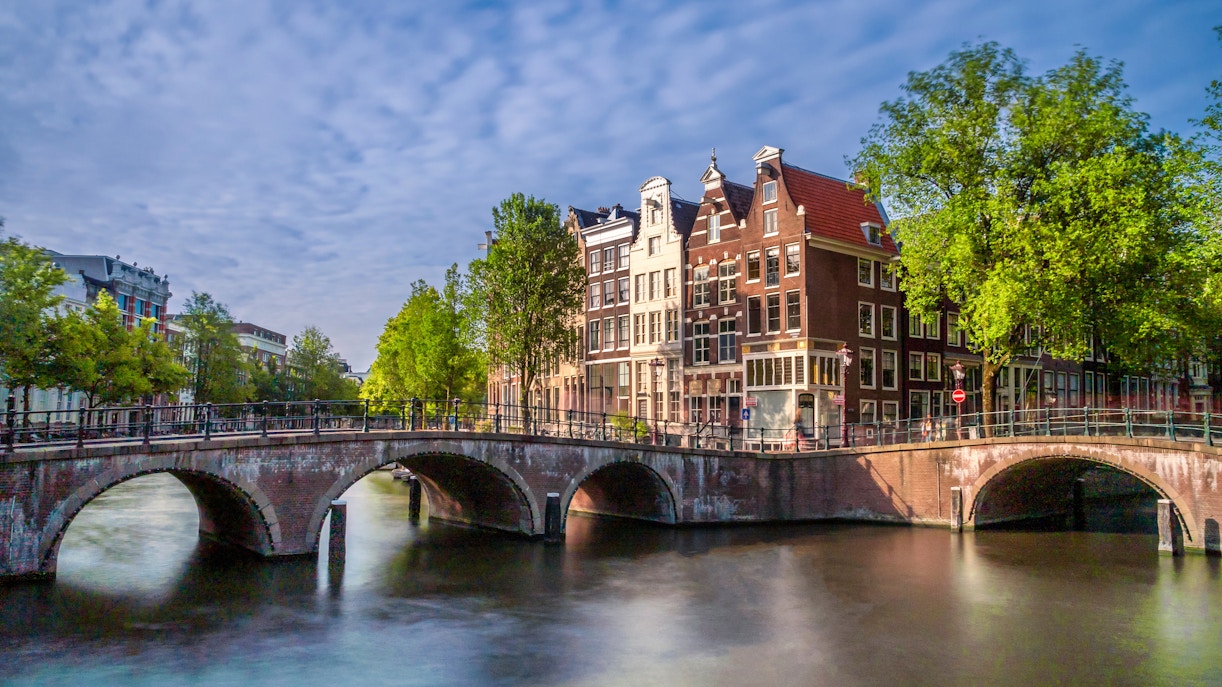
Keizersgracht canal with arched bridge and historic buildings in Amsterdam.

Keizersgracht - The Emperor’s grand waterway in Amsterdam

As the widest of the three major waterways in Amsterdam’s UNESCO-listed canal belt, the Keizersgracht or "Emperor's Canal" serves as a prestigious artery of the city's Golden Age heritage. Built in 1612 and named after Emperor Maximilian I of Austria, the Keizersgracht canal is renowned for its grand 17th-century mansions, historic warehouses, and iconic stone bridges that define the city's architectural skyline.

Where is it located?

The Keizersgracht is situated in the central canal ring of Amsterdam, nestled between the Herengracht and the Prinsengracht.

How to access?

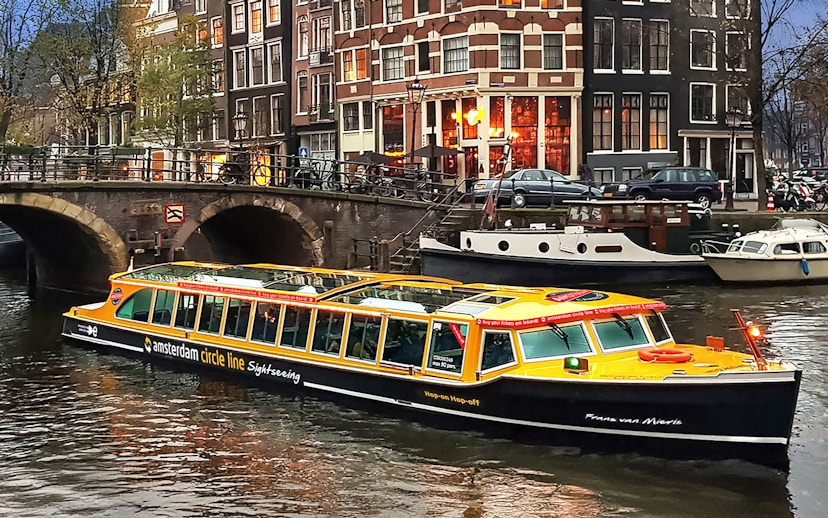
You can access the Keizersgracht freely by foot or bicycle, but the most authentic experience is via a canal cruise. Most standard Amsterdam boat tours navigate the Keizersgracht canal, and boarding typically happens at major hubs like Centraal Station or the Anne Frank House.

Things to know before booking Keizersgracht tickets

  • While the Keizersgracht canal is a public waterway, specific experiences like guided boat tours or entry into its historic museums require valid tickets. 
  • If you are booking a standard canal cruise, check the route map to ensure it specifically covers the Keizersgracht, as some express tours may vary their paths based on water traffic.
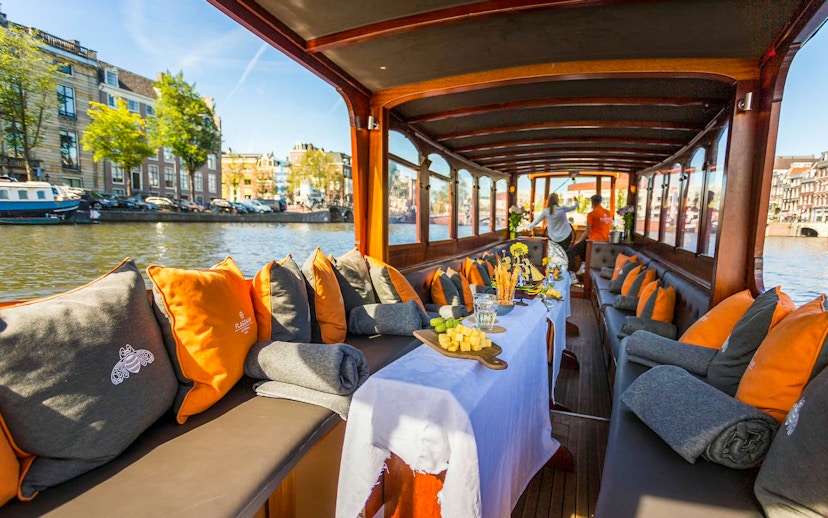
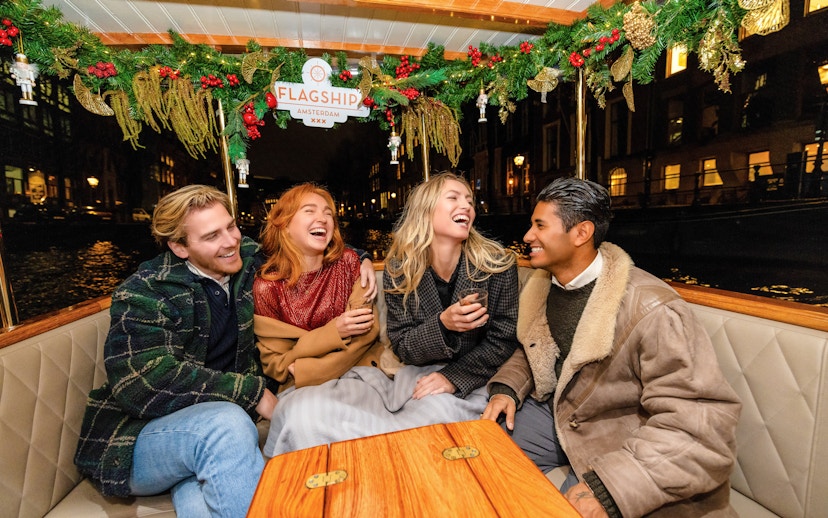
  • Tickets for boutique experiences, like a luxury salon boat or a dinner cruise, tend to sell out 2–3 weeks in advance, so plan ahead. 
  • For those interested in the architecture of a canal house in Keizersgracht, note that many are private residences; however, specialized tickets are available for sites like Museum Van Loon or the canal house Keizersgracht 148 (the Canal House Hotel). 
  • Please be aware that historical buildings along the canal often feature steep, narrow stairs, which may pose a challenge for visitors with limited mobility. 
  • During the winter, if the water freezes, boat traffic may be restricted to allow for traditional ice skating on the Keizersgracht canal.

Keizersgracht in a nutshell

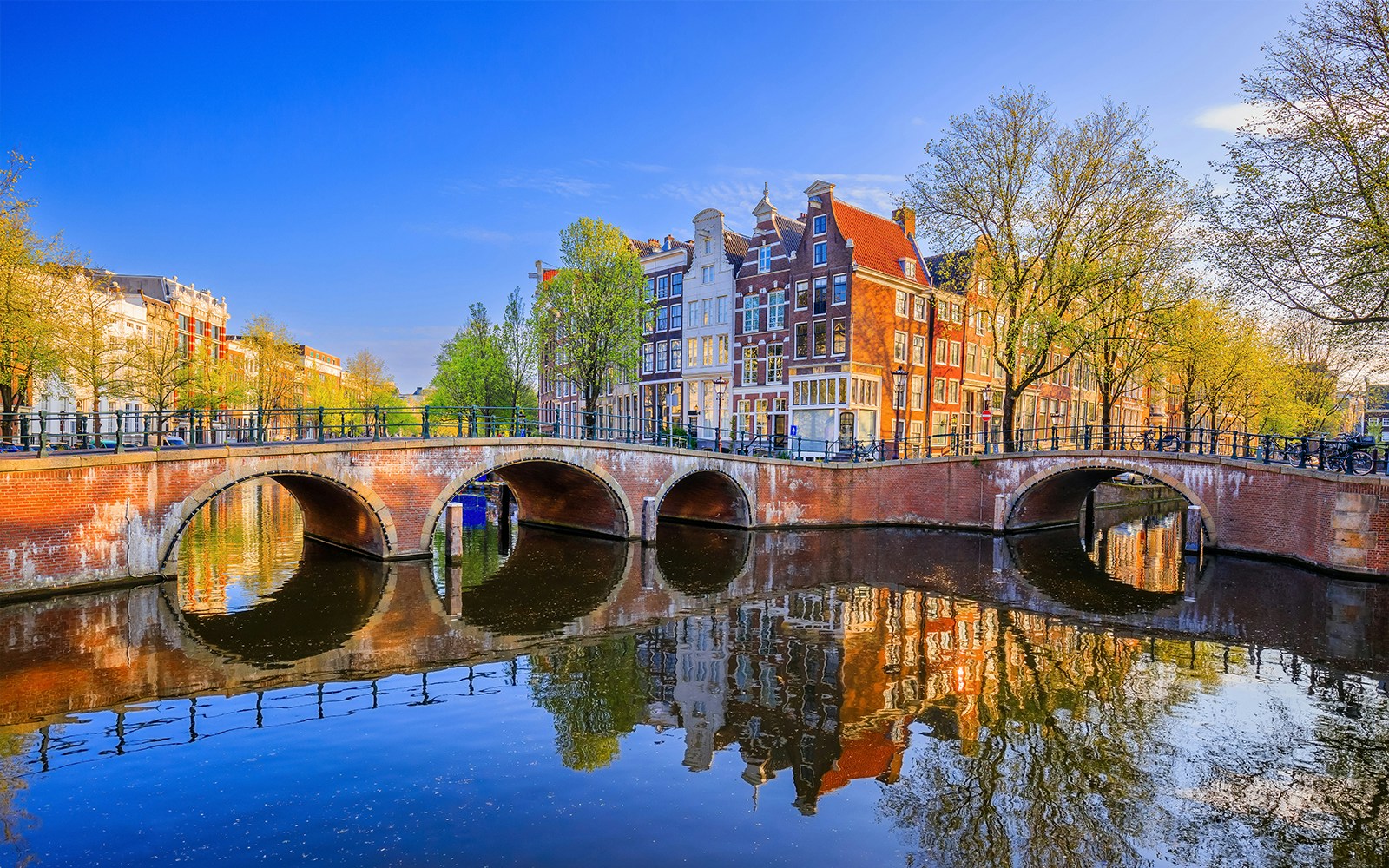
Keizersgracht and Leidsegracht canal intersection with historic buildings in Amsterdam, Netherlands.
  • Must-see highlights: Look out for the "House with the Heads" at number 123, the Lucas Jansz Sinckbrug (the canal's most picturesque bridge), and the stunning Greenwood Keizersgracht area near the Negen Straatjes.
  • Current use: Today, the Keizersgracht remains a mix of high-end residential living, boutique hotels, and cultural landmarks, housing everything from global NGO headquarters like Amnesty International to luxury hotels.
  • Unique facts: Measuring 31 meters wide, it is the widest canal in the city centre, and features over 560 national heritage sites, making it one of the most densely "monumental" streets in the world. It also houses the Homomonument, the world's first memorial to persecuted LGBTQ+ individuals.
Your Keizersgracht ticket types

Ticket typeIs Keizersgracht access included?Why go for it?Starting price
Sightseeing cruise

Yes

Budget-friendly

From €10.88

Open boat

Yes

Best for photos

From €17

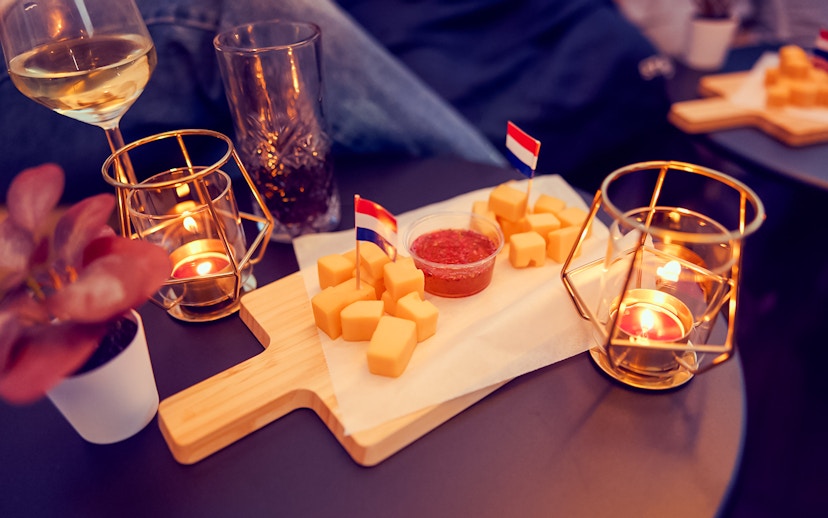
Boozy cruise

Yes

Social atmosphere

From €20.16

Dinner cruise

Yes

Full dining experience

From €20.16

Exploring along Keizersgracht

Canal view with historic buildings and boats in Old City Locks, Amsterdam.
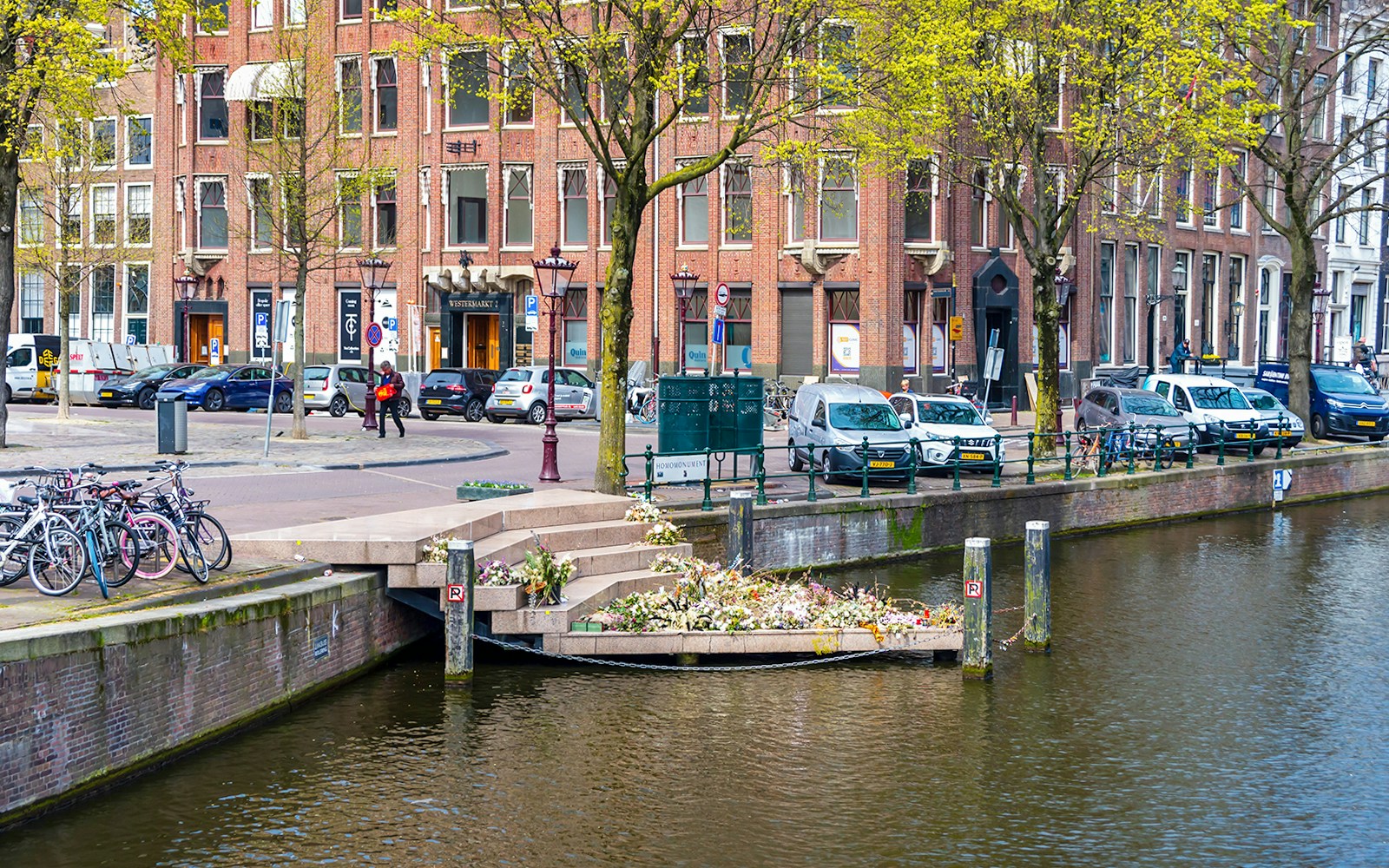
Amsterdam canal view with bicycles and Westerkerk near Anne Frank House.
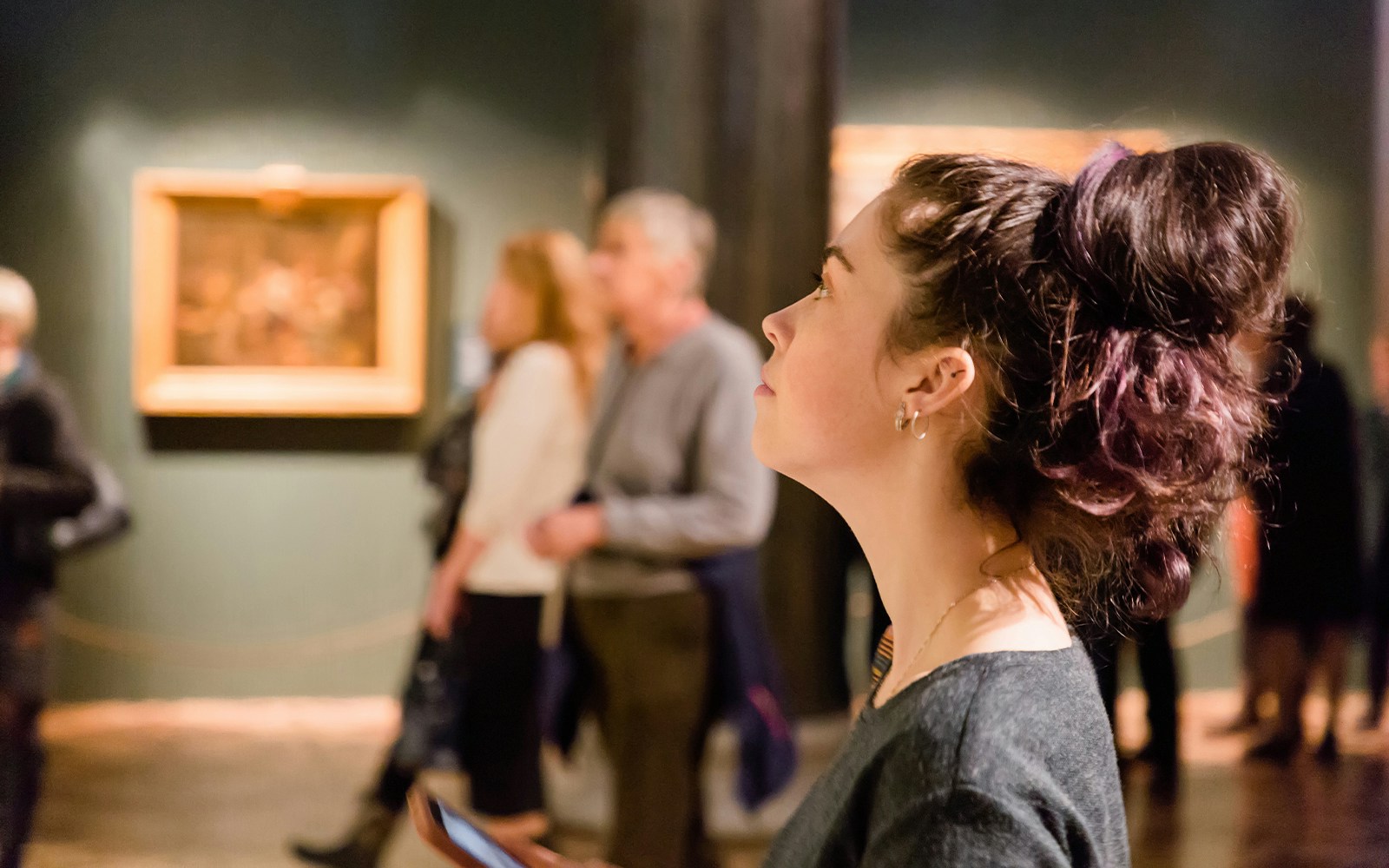
Visitor observing artwork at Prague National Museum exhibit.
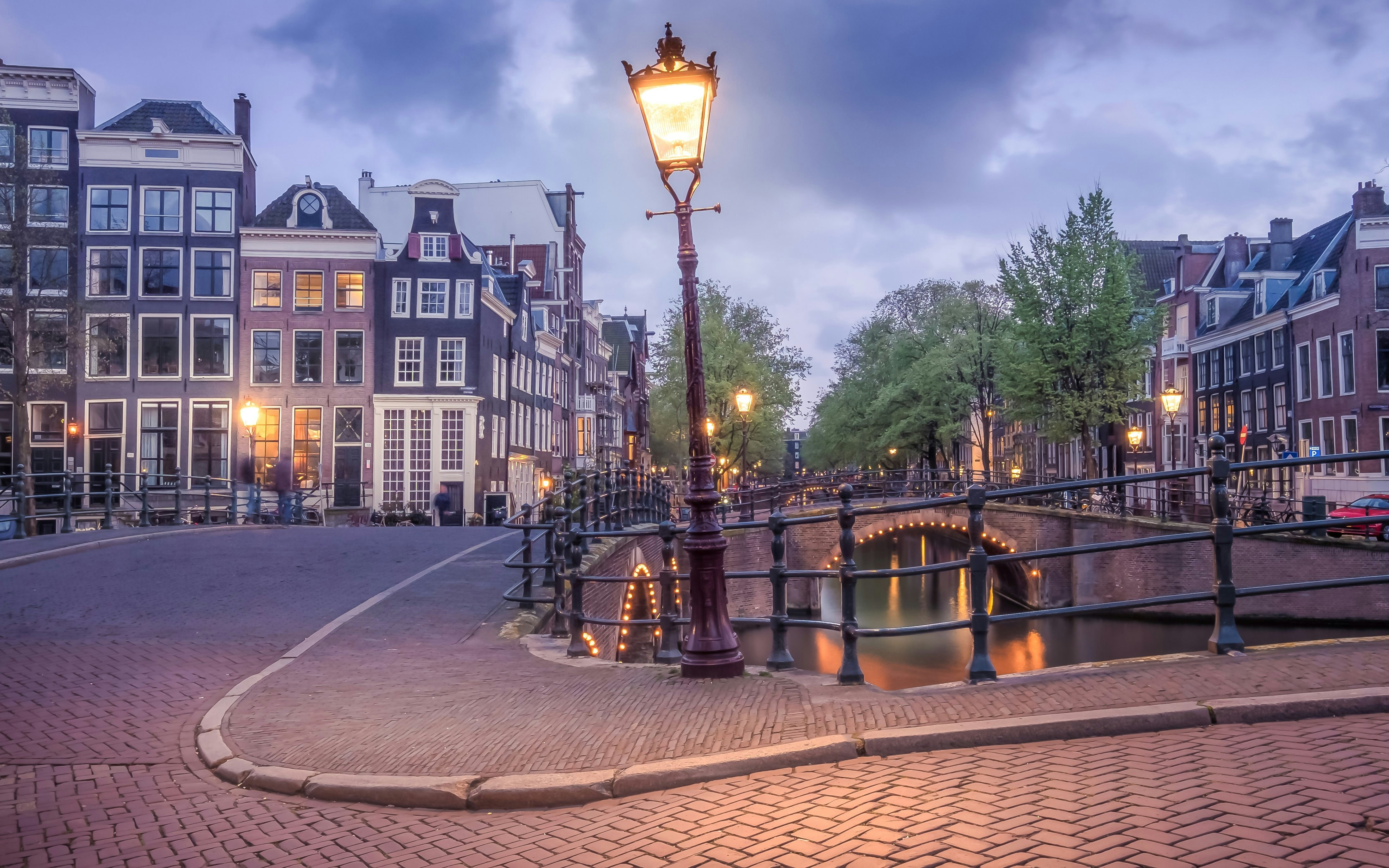
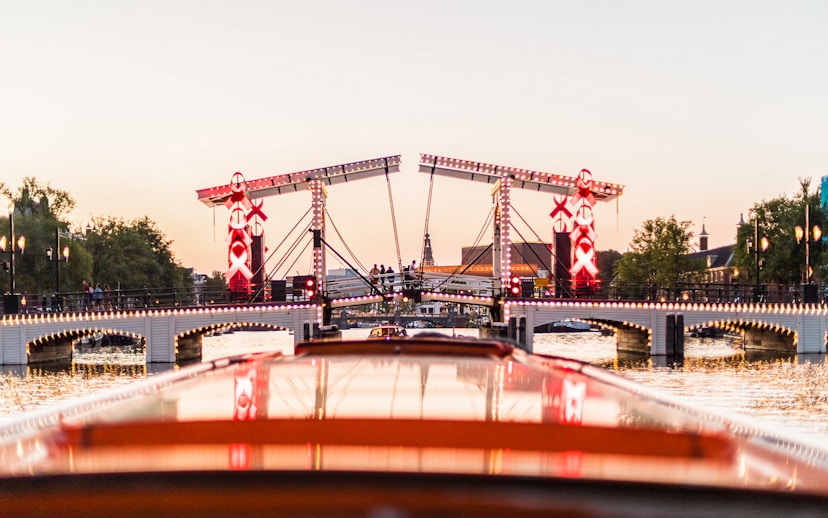
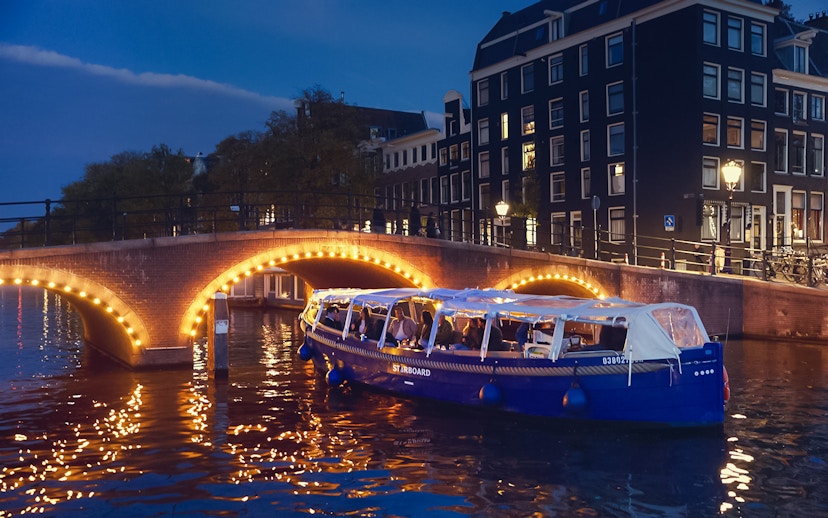
Keizersgracht canal with illuminated bridge and historic buildings in Amsterdam.
Coymans House and canal view in Amsterdam with historic architecture
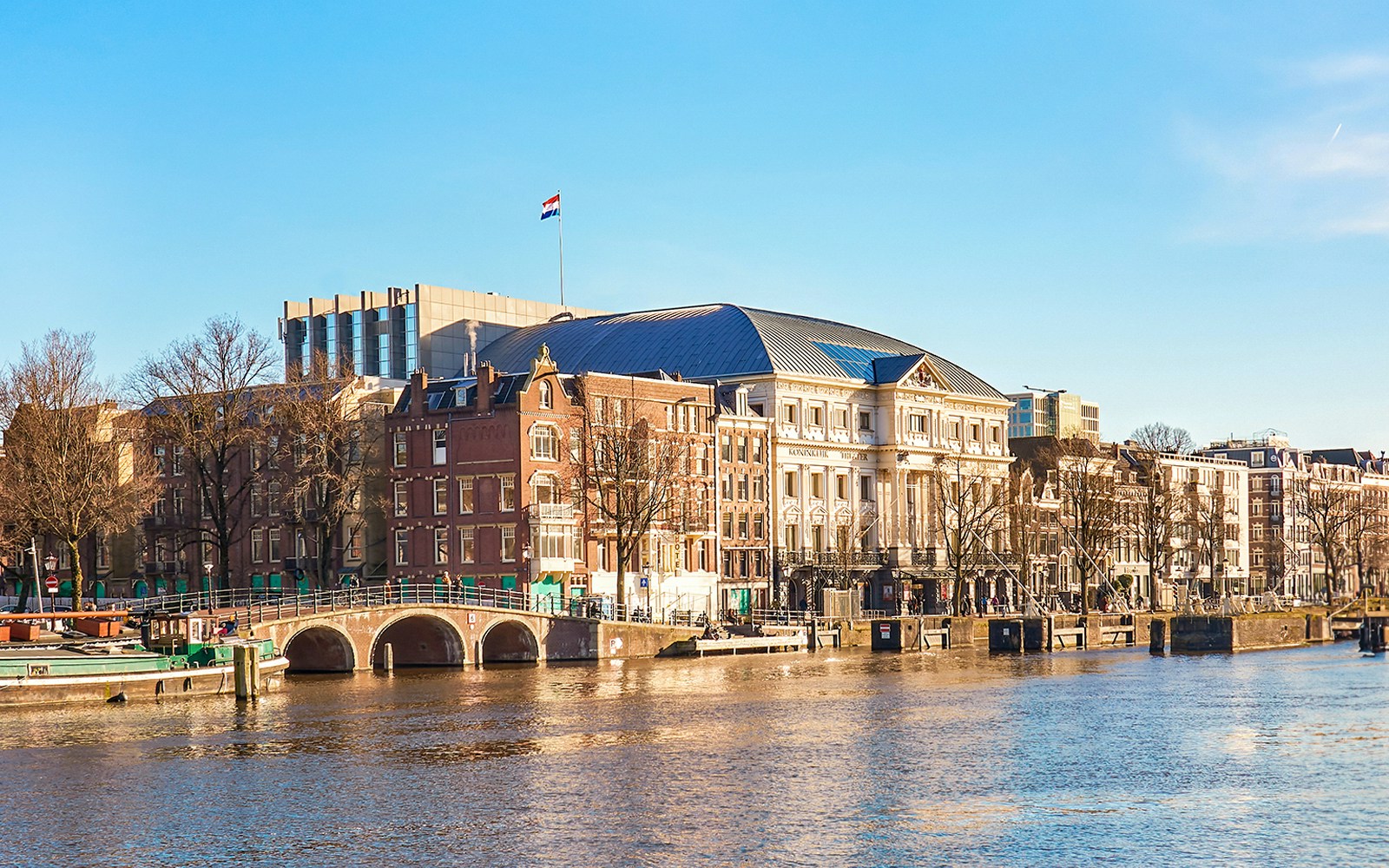
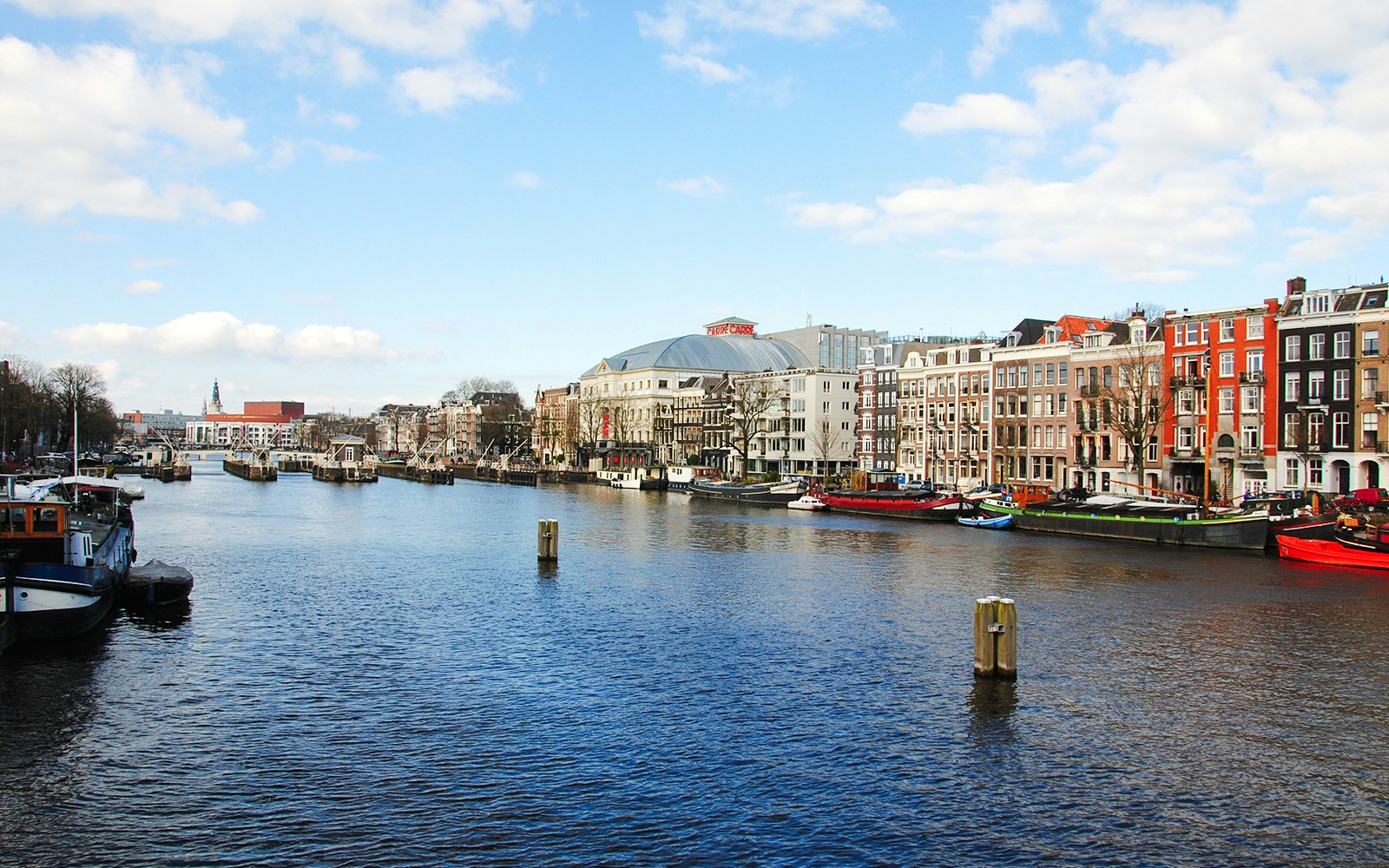
Carré Theater along the Amstel River in Amsterdam.
Visitors observing artwork in a modern gallery setting.
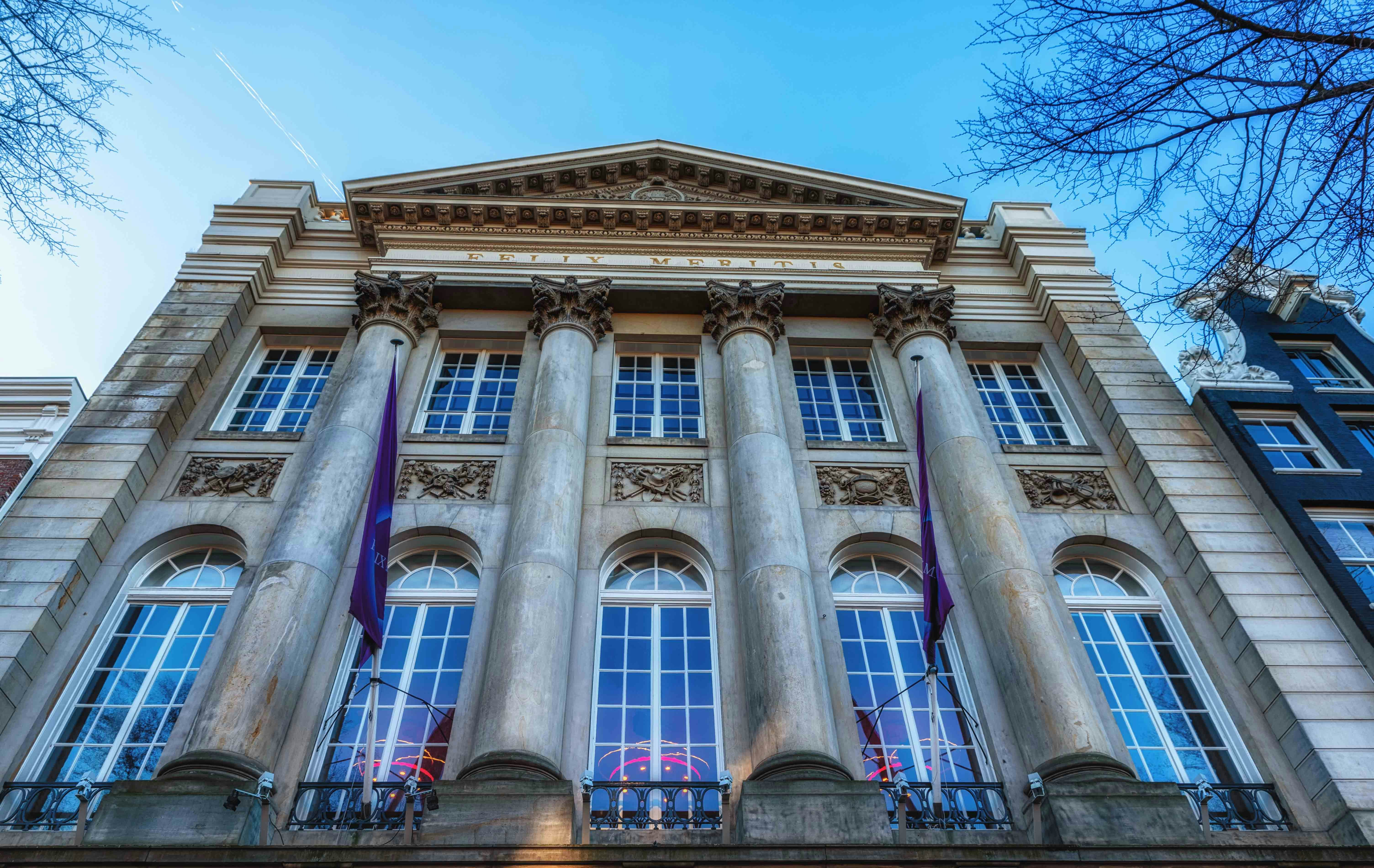
Hollandsche Schouwburg facade with columns in Amsterdam.
Fine dining table set with wine glasses and warm lighting in a cozy restaurant.
Mother and daughter examining exhibit at Sciencework museum.
1/10

House with the Heads

Located at number 123, this 1622 building is famous for the six stone heads on its facade representing Roman deities.
The Homomonument

A series of three pink granite triangles located right on the water’s edge near the Westerkerk.
Museum Van Loon

A perfectly preserved canal house on Keizersgracht that offers a glimpse into the lifestyle of the city’s founding merchant families, once home to the influential Van Loon family, founders of the Dutch East India Company.

Greenland Warehouses

Located at number 44, these triple buildings with stepped gables were once used to store whale blubber. They are rare architectural survivors from the early 1600s.

Coymans House

Designed by the same architect as the Royal Palace, this canal house on Keizersgracht is a pinnacle of Dutch Classicism and currently serves as the head office for Amnesty International.

Lucas Jansz Sinckbrug

This iconic stone bridge at the intersection of the Amstel River offers one of the most photographed vistas in the city.

Huis Marseille

Housed in a 1665 canal house, this museum offers rotating photography exhibitions alongside historic interiors, including original woodwork and a quiet garden.

Felix Meritis

A neoclassical gem founded in 1787 as a cultural and scientific society, Felix Meritis continues to host performances, talks, and festivals, keeping its Enlightenment-era mission alive in modern Amsterdam.

Rode Hoed

Once a secret Remonstrant church, this 17th-century building is now a cultural venue known for public debates, concerts, and lectures, preserving its role as a gathering place for open dialogue.

Foam Photography Museum

Located in a historic building, Foam features cutting-edge photography exhibitions by global talents. Its mix of modern art and canal-house charm attracts photography lovers from around the world.

Architectural highlights of Keizersgracht

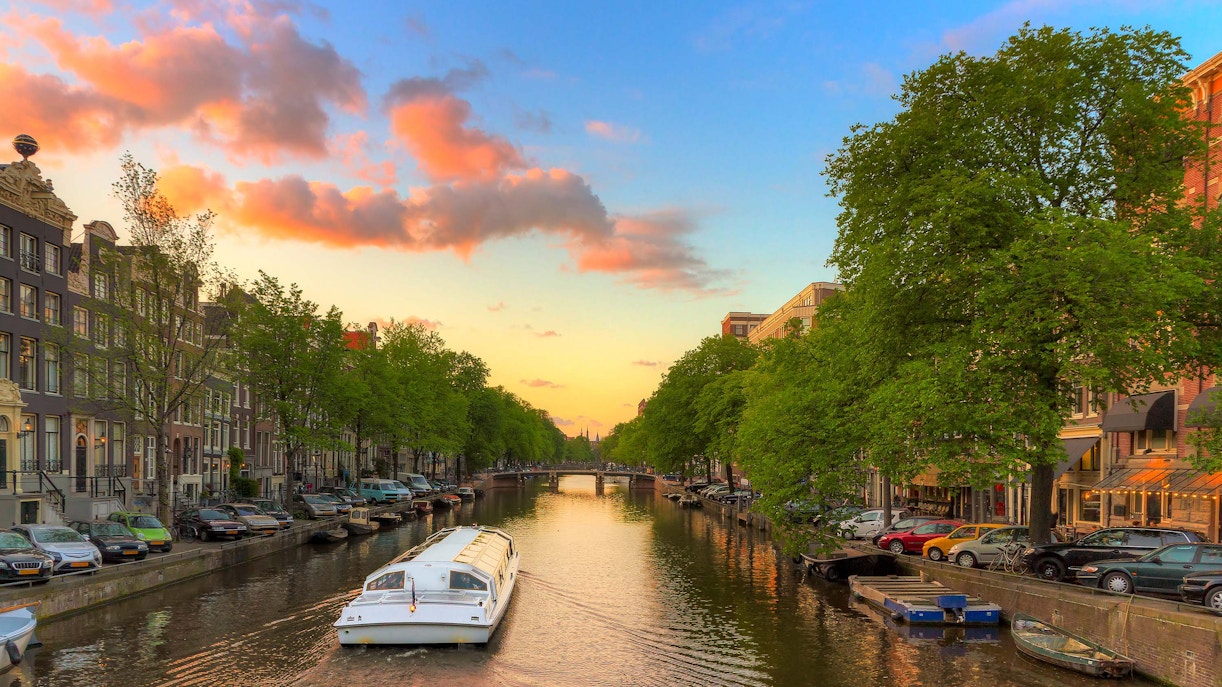
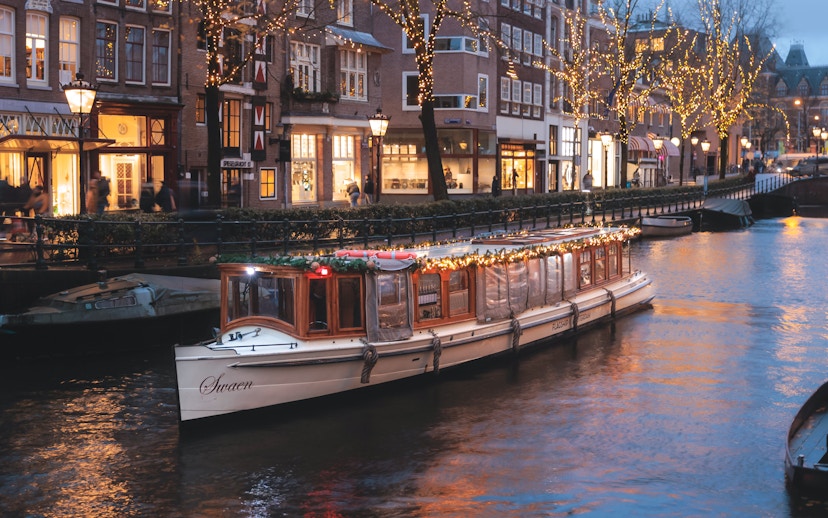
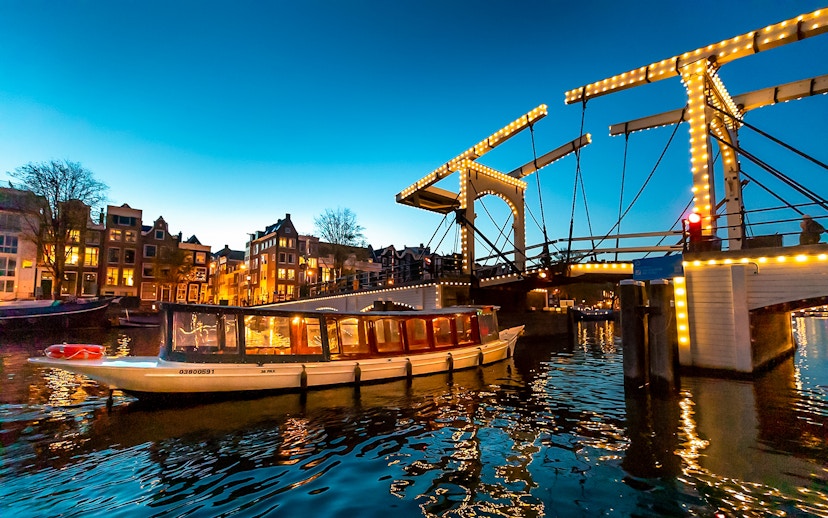
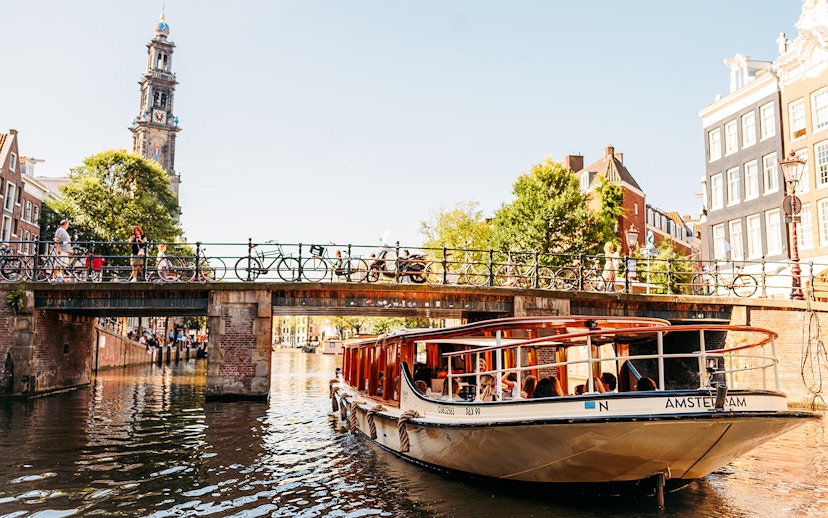
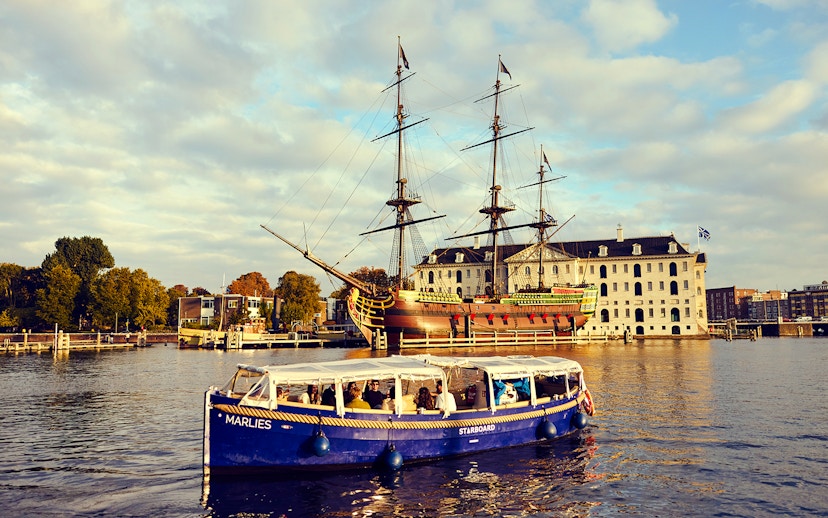
Canal cruise boat on Amsterdam canal at sunset with cityscape and trees.

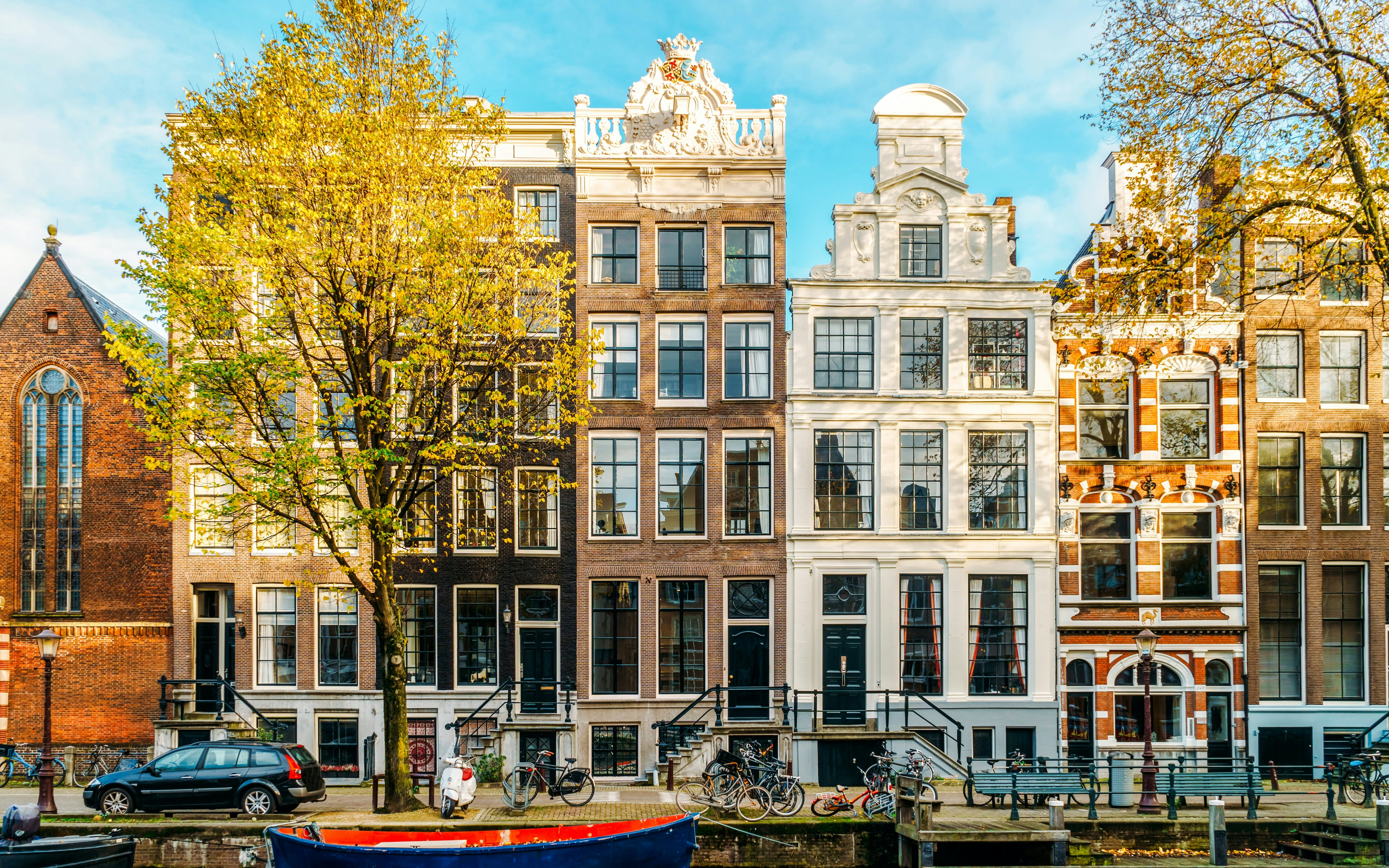
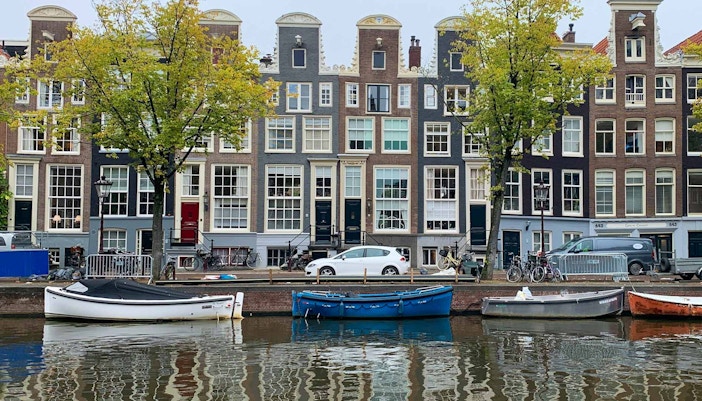
The architecture along the Keizersgracht showcases the evolution of Dutch design from the early 1700s to modern restorations. Notable for its "step gables" and "spout gables," the Keizersgracht canal features the city's most symmetrical and wide-fronted mansions. A prime example of high-end preservation is the canal house Keizersgracht 148, which integrates three 17th-century merchant houses into a single, cohesive luxury hotel while maintaining the original gabled exteriors.

Historical and cultural significance of Keizersgracht

Since its inception, the Keizersgracht has represented the wealth and international influence of Amsterdam. During the 17th century, the Keizersgracht canal was the preferred address for the city’s intellectual and financial elite. Its cultural significance persists today, serving as a hub for the "Nine Streets" shopping district and hosting the famous "Emperor's Race" whenever the canal freezes over, maintaining a deep connection to local traditions.

More about the Amsterdam canals’ history

Notable figures of Keizersgracht

Hendrik de Keyser

The renowned municipal architect who designed the "House with the Heads" on the Keizersgracht.

Know more

Emperor Maximilian I

The Holy Roman Emperor for whom the Keizersgracht canal was named.

Know more

Willem van Loon

Co-founder of the Dutch East India Company, whose family resided at a prominent canal house on Keizersgracht.

Know more

Know before you go

  • Standard cruises on the Keizersgracht canal run daily from 9am to 10pm. 
  • For the best photography, choose a Golden Hour cruise in the late afternoon when the sun hits the gables of the Keizersgracht.

The canal spans 2.6 kilometres. Most major operators have boarding docks near Centraal Station, but for a quieter start, look for boutique operators departing near the Greenwood Keizersgracht or the Jordaan district.

  • Most classic glass-topped boats are semi-accessible but require stepping down 1–3 steps. 
  • For full wheelchair access, specifically book the Blue Boat tours departing from the Hard Rock Café pier, as they are equipped with lifts.
  • There is no formal dress code for a Keizersgracht canal tour. However, because breezes on the water are cooler, we recommend bringing a light jacket even in summer. 
  • Open-air boats provide blankets and umbrellas for winter cruises.
  • If possible, ask your skipper to pause at the Seven Bridges view! The alignment of seven arched bridges at Reguliersgracht is only clearly visible from the water. Let your captain know in advance so they can slow down or stop for photos, because it’s easy to miss otherwise.
  • Pick a cruise with a live guide instead of pre-recorded audio. The canal’s history, architecture, and hidden stories are best understood with real-time commentary from someone who knows the area well.
  • Sit on the right side if cruising north (or left heading south) to get better views and photos of major landmarks like Museum Van Loon and the House with the Heads.
  • Time your cruise just before sunset for soft golden light and beautiful reflections. Keizersgracht’s wide canal and elegant buildings look especially photogenic during the late afternoon golden hour.

Frequently asked questions about Keizersgracht

No, the canal is a public space. However, boat tours and specific museums like Museum Van Loon require individual tickets.

More Reads

Singel Canal

Prinsengracht Canal

Herengracht Canal