Keizersgracht | Amsterdam's widest grand canal

Keizersgracht is the widest of Amsterdam's three main canals and one of the most impressive waterways within the UNESCO-listed Canal Ring. Known for its broad vistas, elegant canal houses, cultural institutions, and historic bridges, it showcases the scale and ambition of Amsterdam's Golden Age expansion.

  • Must-see highlights: House with the Heads, Museum Van Loon, Huis Marseille, Seven Bridges viewpoint, Homomonument, and Felix Meritis.
  • Current role: Keizersgracht remains a prestigious address home to museums, cultural venues, historic residences, boutique hotels, and international organisations.
  • Unique fact: At approximately 31 metres wide, Keizersgracht is the widest canal in Amsterdam's historic centre.

Where is it located?

Keizersgracht runs through the heart of Amsterdam's Canal Ring, stretching from Brouwersgracht in the north to the Amstel River in the south. It lies between Herengracht and Prinsengracht and passes some of the city's most historic neighbourhoods.

How to access?

Most Amsterdam canal cruises navigate Keizersgracht as part of their Canal Ring route. Popular departure points include Amsterdam Centraal Station, Damrak, Leidseplein, and the Museum District. The canal can also be explored on foot or by bicycle, with numerous bridges and canal-side streets offering excellent views of its architecture.

Why is it called Keizersgracht?

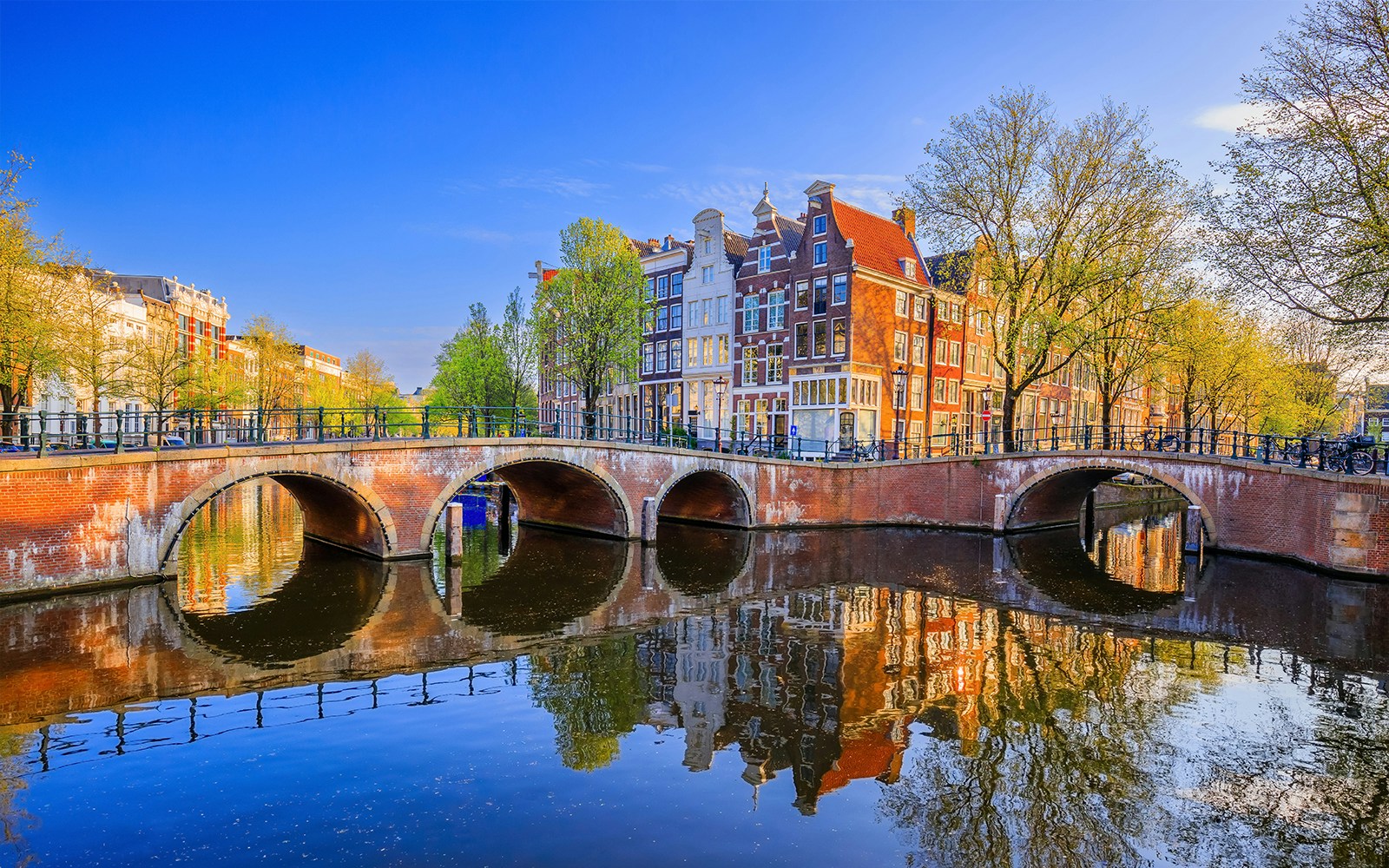
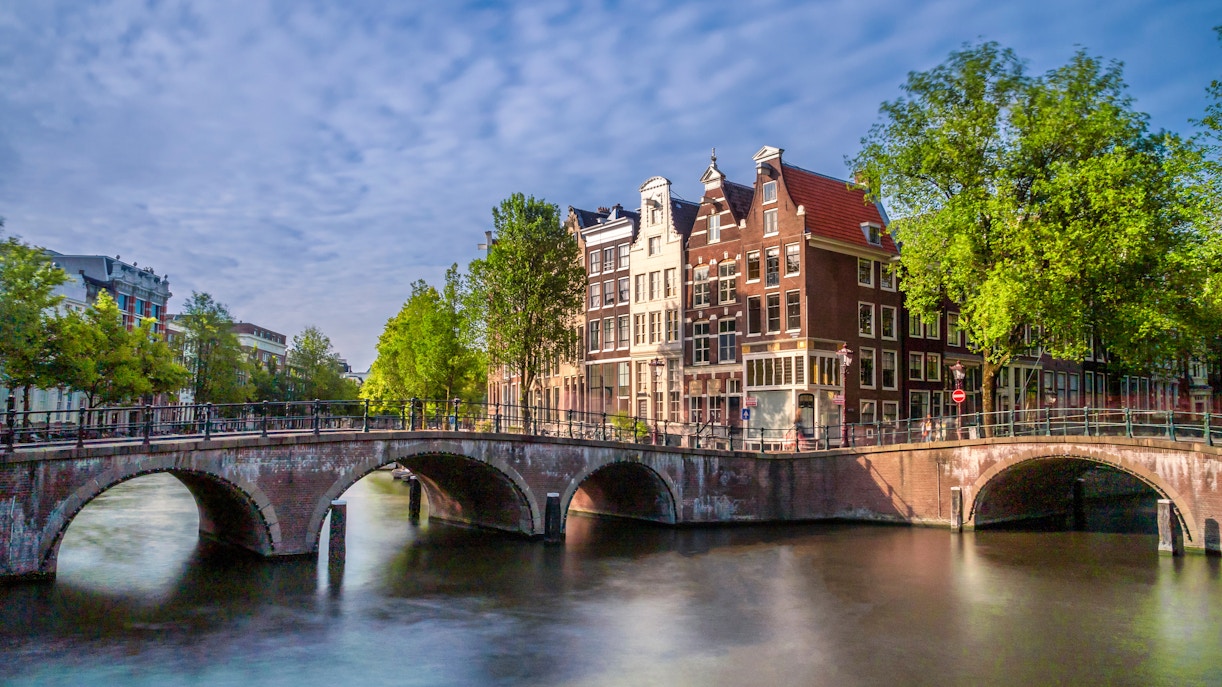
Keizersgracht and Leidsegracht canal intersection with historic buildings in Amsterdam, Netherlands.

Keizersgracht translates to "Emperor's Canal" and was named after Emperor Maximilian I of the Holy Roman Empire.

The name reflects Amsterdam's historical connection to the Habsburg rulers who controlled the Low Countries before the Dutch Republic emerged. Maximilian granted Amsterdam the right to display his imperial crown, a symbol that still appears throughout the city today.

As Amsterdam expanded during the 17th century, the newly constructed canal became one of the grandest elements of the Canal Ring and a symbol of the city's growing prosperity.

Things to know before booking Keizersgracht canal cruise tickets

  • Route coverage: Most Canal Ring cruises include Keizersgracht, but not all pass its entire length. Check the route if specific landmarks are a priority.
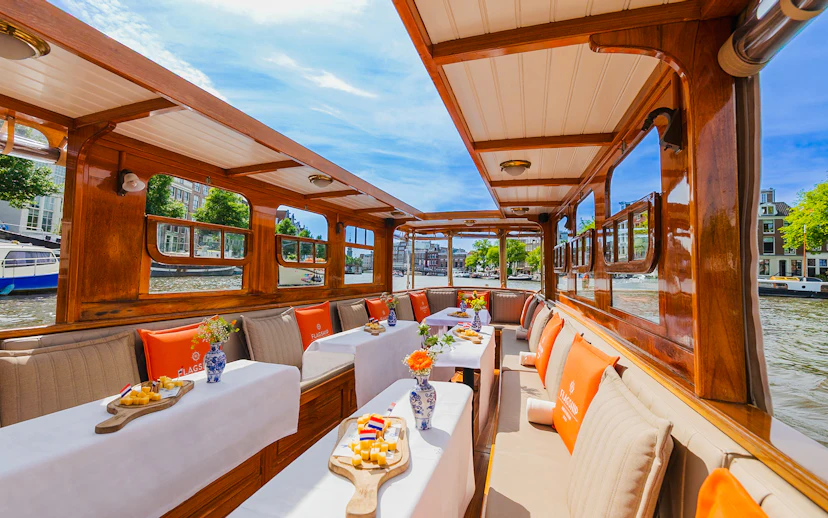
  • Choose the right boat type: Open-air boats offer clearer views of architectural details, while larger glass-roofed vessels provide protection from the weather.
  • Evening cruises offer a different perspective: Illuminated bridges and reflections create a particularly elegant atmosphere after sunset.
  • Accessibility varies: Modern sightseeing boats typically provide easier boarding than historic saloon boats.
  • Museum visits require separate tickets: Attractions such as Museum Van Loon and Huis Marseille require independent admission.

Best ways to experience Keizersgracht

On a canal cruise

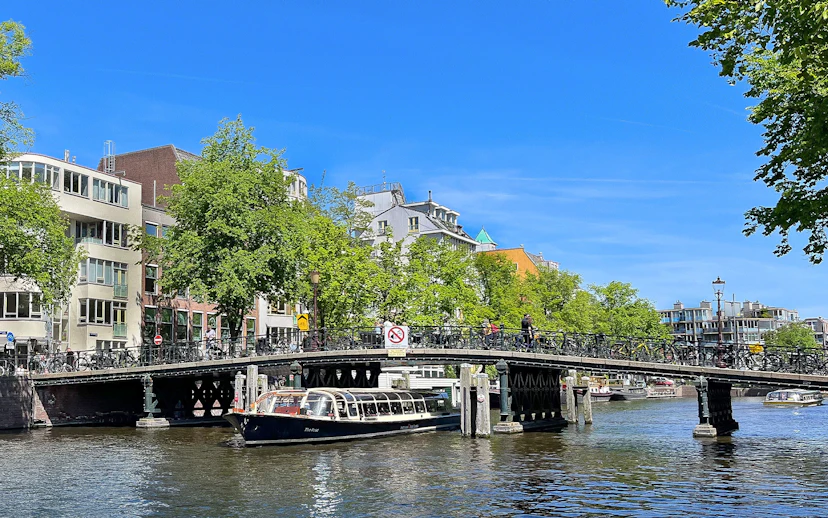
Viewing Keizersgracht from the water highlights its exceptional width, grand canal houses, and historic bridges.

On foot

Walking along the canal allows closer appreciation of decorative façades, museum entrances, and hidden courtyards.

At sunset

Golden-hour light enhances the canal's broad vistas and creates striking reflections along the water.

During the Amsterdam Light Festival

Winter cruises often combine illuminated art installations with Keizersgracht's historic scenery.

Your Keizersgracht ticket types

Ticket typeIs Keizersgracht access included?Why go for it?Starting price
Sightseeing cruise

Yes

Budget-friendly

From €10.88

Open boat

Yes

Best architecture views

From €17

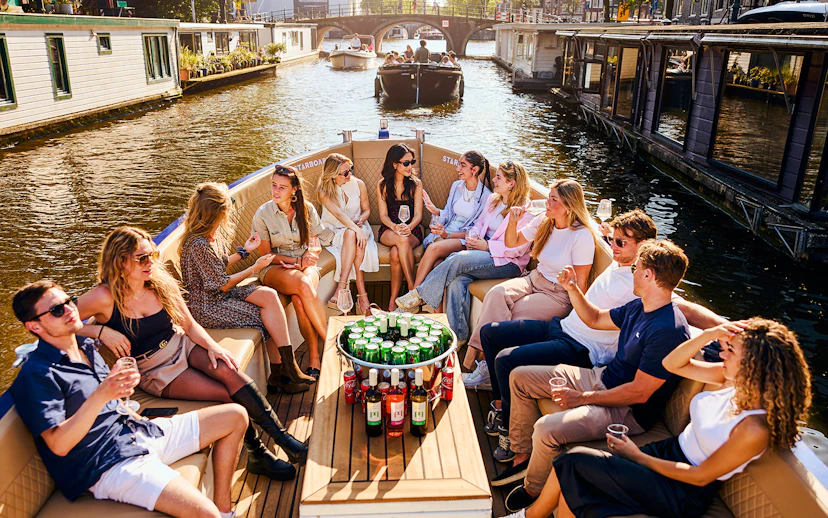
Boozy cruise

Yes

Social atmosphere

From €30.82

Dinner cruise

Yes

Evening sightseeing experience

From €20.16

What to see along the Keizersgracht canal

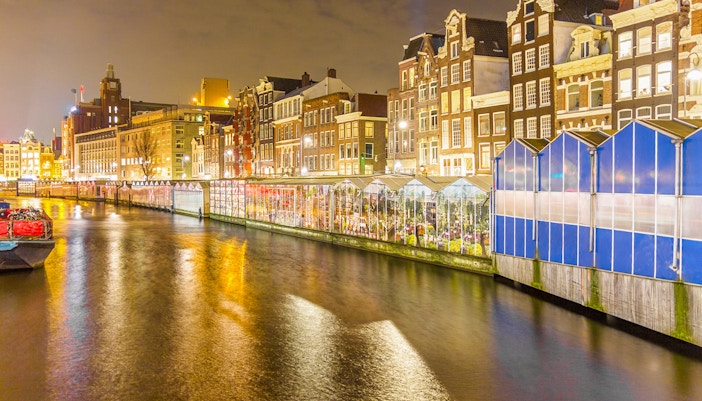
Canal view with historic buildings and boats in Old City Locks, Amsterdam.
1/10

House with the Heads

Located at number 123, this 1622 building is famous for the six stone heads on its facade representing Roman deities.

The Homomonument

The world's first memorial dedicated to people persecuted because of their sexual orientation.

Museum Van Loon

A beautifully preserved canal mansion offering access to period rooms, formal gardens, and Golden Age interiors.

Greenland Warehouses

Rare survivors of Amsterdam's maritime trading era, once used to store goods linked to Arctic whaling expeditions.

Coymans House

Designed by the same architect as the Royal Palace, this canal house on Keizersgracht is a pinnacle of Dutch Classicism and currently serves as the head office for Amnesty International.

Lucas Jansz Sinckbrug

This iconic stone bridge at the intersection of the Amstel River offers one of the most photographed vistas in the city.

Huis Marseille

Housed in a 1665 canal house, this is Amsterdam's first photography museum, with exhibitions alongside historic interiors, including original woodwork and a quiet garden.

Felix Meritis

A neoclassical gem founded in 1787 as a cultural and scientific society, Felix Meritis continues to host performances, talks, and festivals, keeping its Enlightenment-era mission alive in modern Amsterdam.

Rode Hoed

Once a secret Remonstrant church, this 17th-century building is now a cultural venue known for public debates, concerts, and lectures, preserving its role as a gathering place for open dialogue.

Foam Photography Museum

Located in a historic building, Foam features cutting-edge photography exhibitions by global talents. Its mix of modern art and canal-house charm attracts photography lovers from around the world.

Best time to visit Keizersgracht

  • Morning: Early mornings bring quieter waterways, softer light, and fewer boats, making photography and sightseeing more relaxed and enjoyable.
  • Golden hour: Late afternoon sunlight bathes canal houses and bridges in warm tones, creating beautiful reflections across the water.
  • Blue hour: Shortly after sunset, illuminated bridges and deepening skies create some of Keizersgracht's most atmospheric canal views.
  • Winter and Light Festival season: Seasonal light installations and illuminated waterways transform Keizersgracht into one of Amsterdam's most magical cruise routes.

Photography guide to Keizersgracht

Best photography spots

House with the Heads, Museum Van Loon, Seven Bridges viewpoint, and Lucas Jansz Sinckbrug offer exceptional photo opportunities.

Capture the canal's scale

Keizersgracht's impressive width creates broader vistas and more expansive compositions than many neighbouring Amsterdam canals.

Cruise photography tips

Open-air boats minimize window reflections and provide clearer views of bridges, canal houses, and waterfront landmarks.

Look for architectural details

Focus on gable stones, hoisting beams, sculpted entrances, and decorative façades that reveal centuries of history.

Historical and cultural significance of Keizersgracht

Keizersgracht formed a central part of Amsterdam's ambitious 17th-century Canal Ring expansion. As the city prospered through international trade, wealthy merchants, financiers, and influential families settled along its banks.

The canal became synonymous with status and success, attracting some of Amsterdam's most prominent residents and institutions. Over time, museums, cultural organisations, and civic landmarks joined the historic residences, reinforcing Keizersgracht's importance within the city.

Today, it remains one of the best-preserved examples of Golden Age urban planning and continues to play a vital role within Amsterdam's UNESCO-protected Canal Ring.

More about the Amsterdam canals’ history

Architectural highlights of Keizersgracht

Keizersgracht showcases some of Amsterdam's grandest canal-house architecture, reflecting the prosperity generated during the Dutch Golden Age. Along the canal, you'll find step gables, neck gables, bell gables, and elegant classical façades that demonstrate changing architectural tastes across the centuries.

Its exceptional width encouraged the construction of larger and more symmetrical residences than those found elsewhere in the Canal Ring. Decorative entrances, sandstone ornamentation, hoisting beams, and richly detailed façades reveal the wealth and ambitions of the merchants who once lived here.

Notable figures of Keizersgracht

Hendrik de Keyser

The renowned municipal architect who designed the "House with the Heads" on the Keizersgracht.

Know more

Emperor Maximilian I

The Holy Roman Emperor for whom the Keizersgracht canal was named.

Know more

Willem van Loon

Co-founder of the Dutch East India Company, whose family resided at a prominent canal house on Keizersgracht.

Know more

What makes Keizersgracht different?

  • The widest canal: Keizersgracht's impressive width creates broader vistas, grander perspectives, and a stronger sense of scale than neighbouring canals.
  • Grand architecture: Many of Amsterdam's largest canal houses and merchant mansions line Keizersgracht, showcasing remarkable Golden Age prosperity.
  • Cultural institutions: Museums, galleries, memorials, and historic cultural venues make Keizersgracht one of Amsterdam's richest cultural corridors.
  • Elegant atmosphere: The canal combines architectural grandeur with a calmer, less residential feel than many surrounding waterways.
  • Historic bridges: Numerous stone bridges frame picturesque canal views and contribute to some of Amsterdam's most iconic waterfront scenes.

Nearby sights to combine with your visit

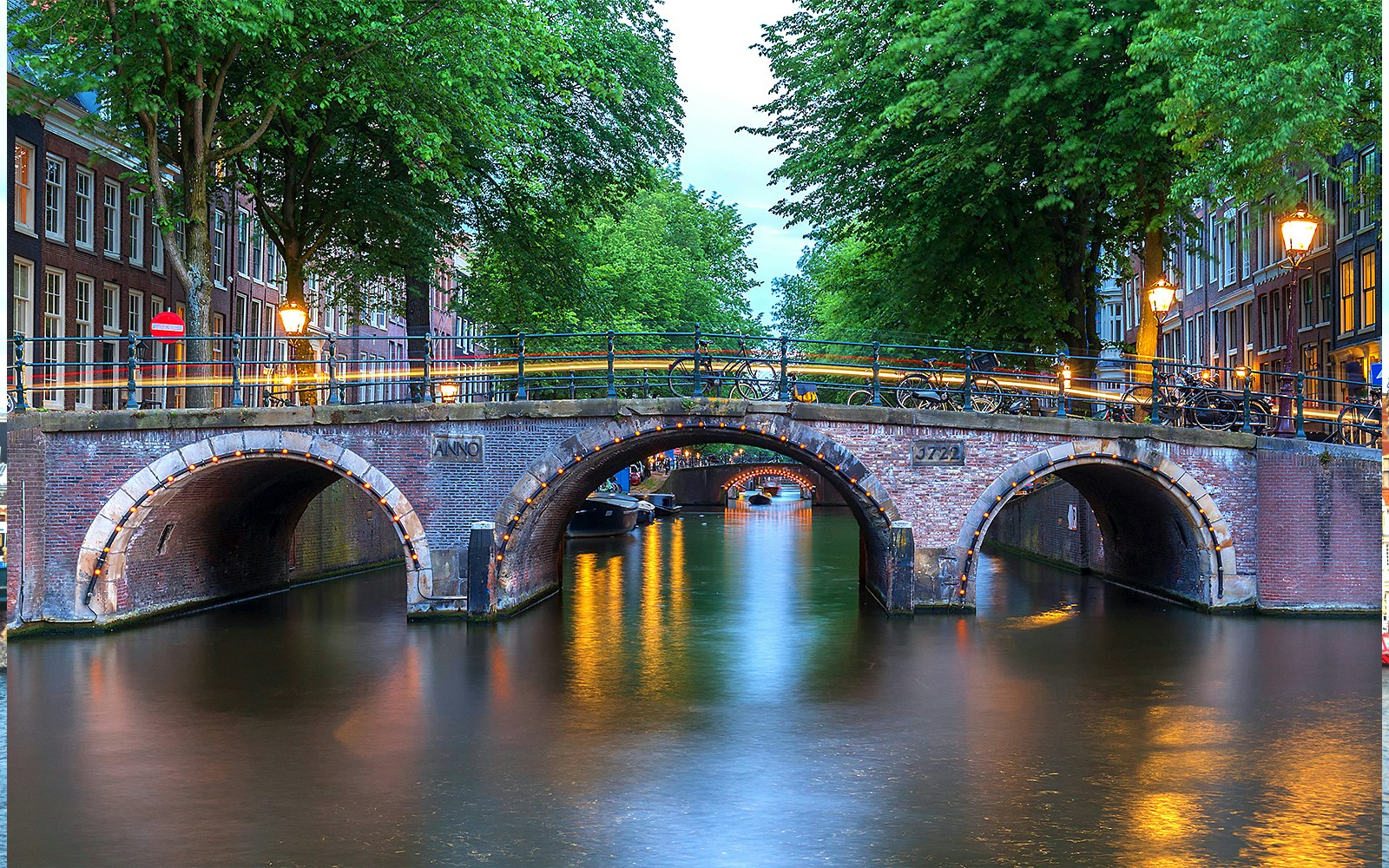
Amsterdam's illuminated canal bridge with seven arches at dusk.

Seven Bridges

Amsterdam's most famous canal view, where seven historic bridges align perfectly along Reguliersgracht.

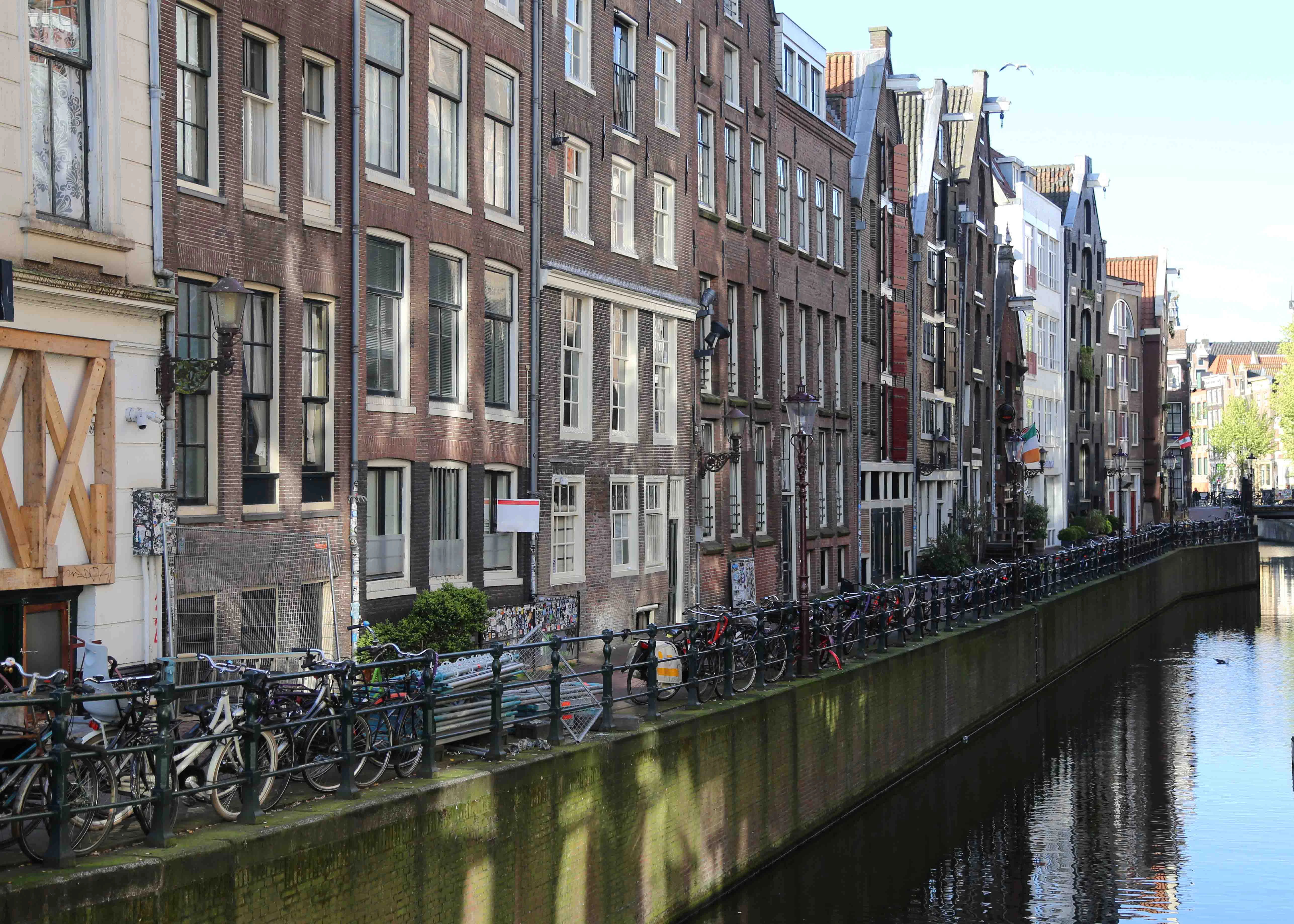
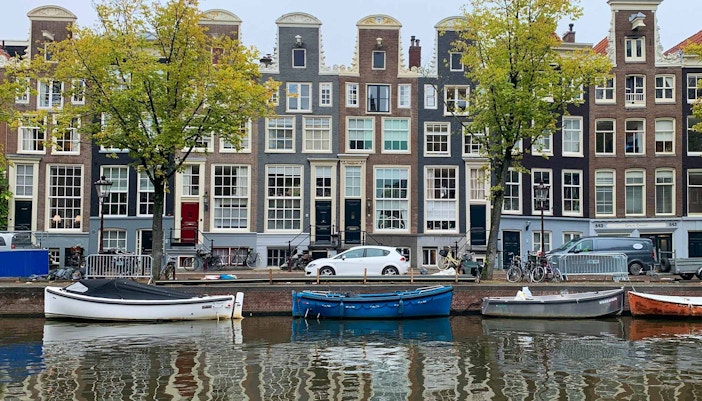
Canal-side buildings and bicycles in Amsterdam, Netherlands.
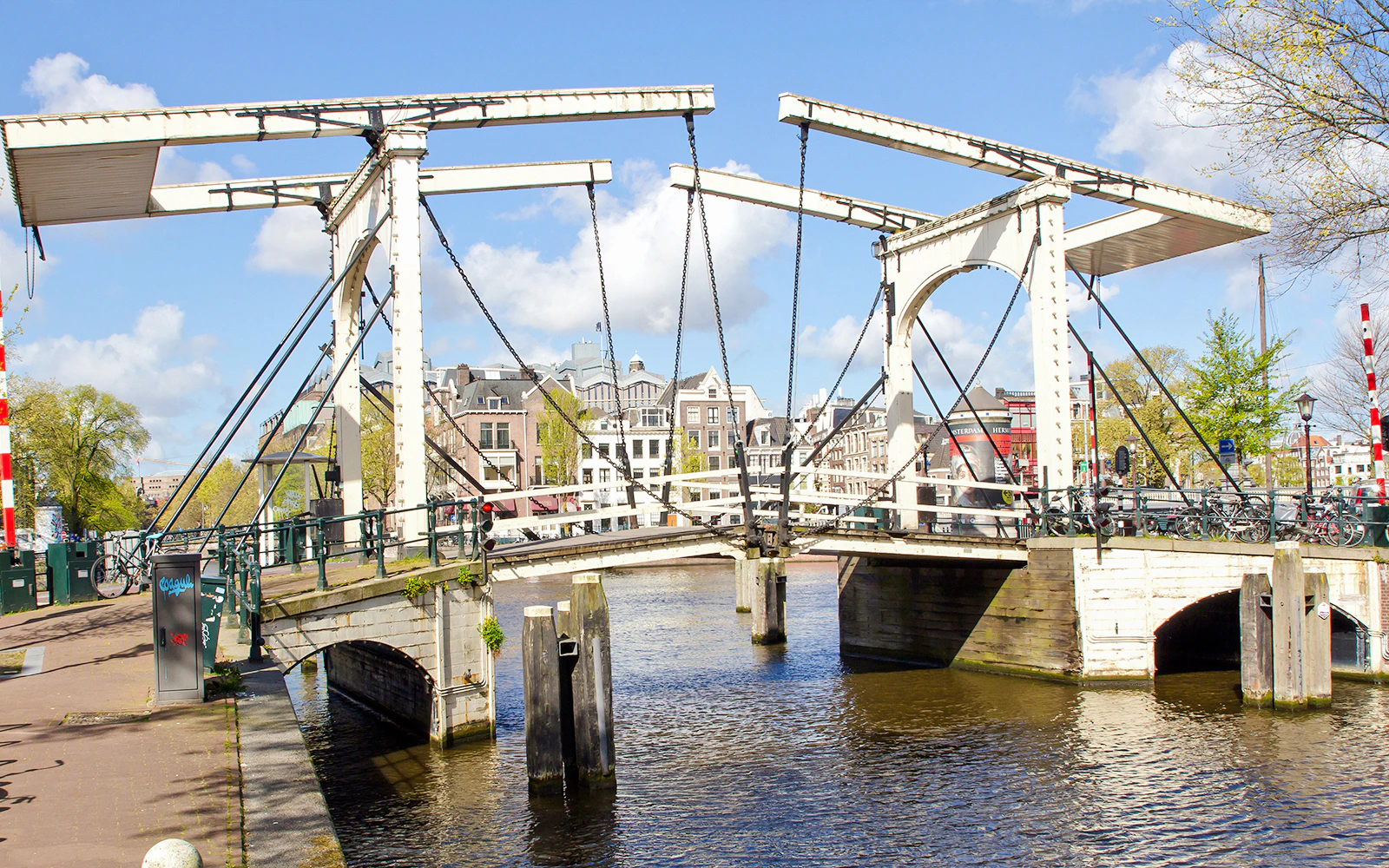
Drawbridge over Nieuwe Herengracht canal in Amsterdam with city buildings in the background.
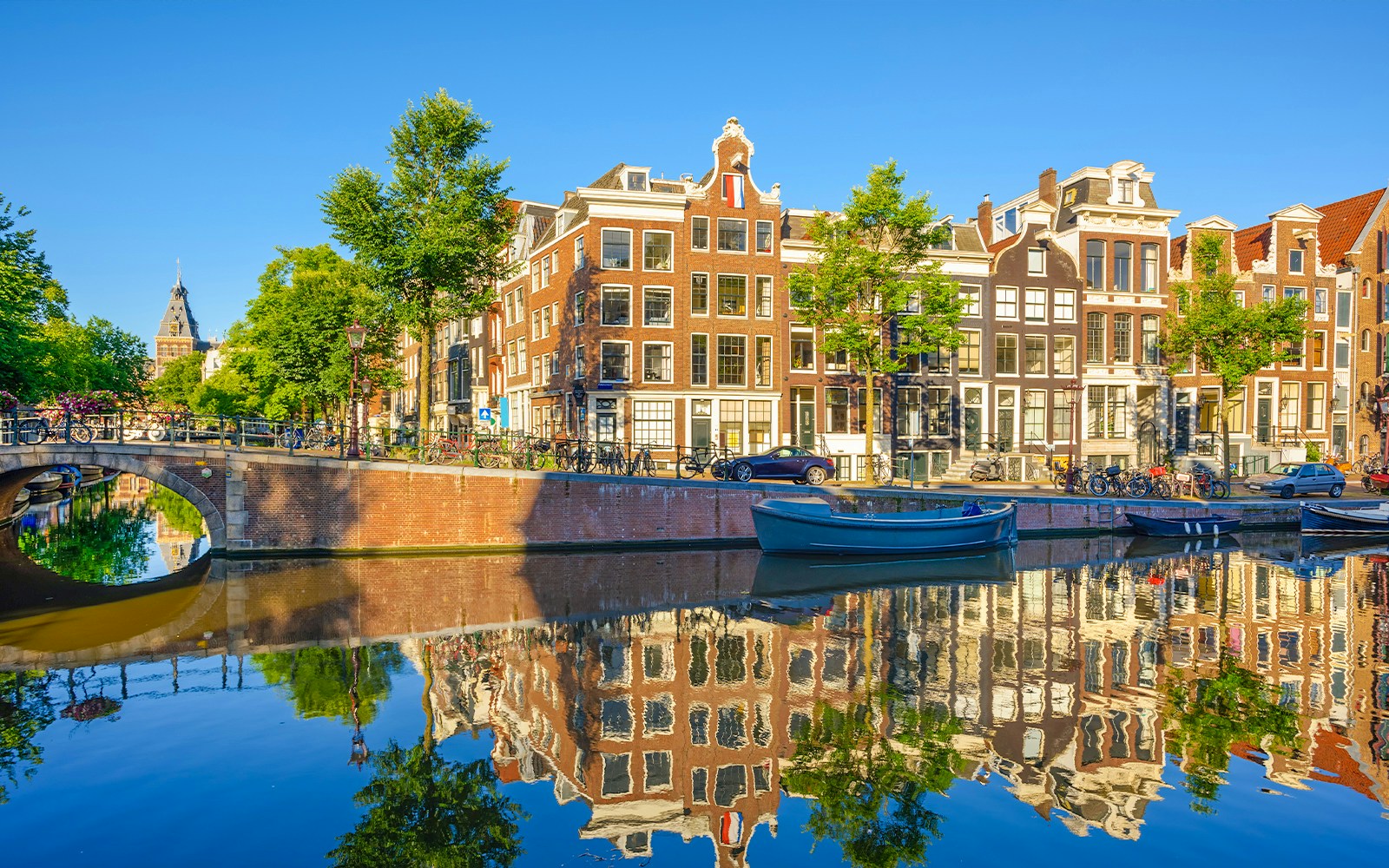
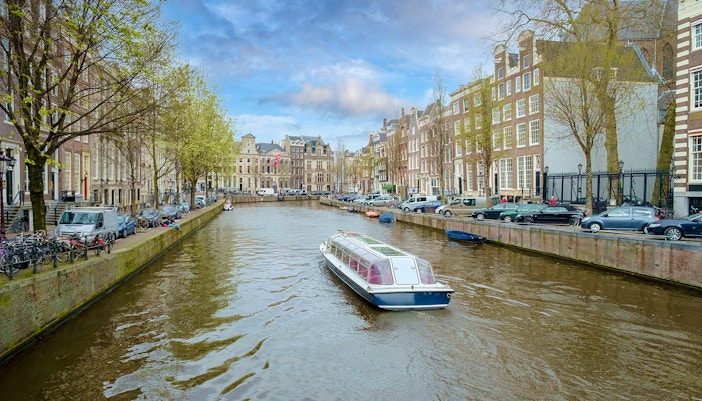
Prinsengracht canal with historic buildings and boats in Amsterdam city.
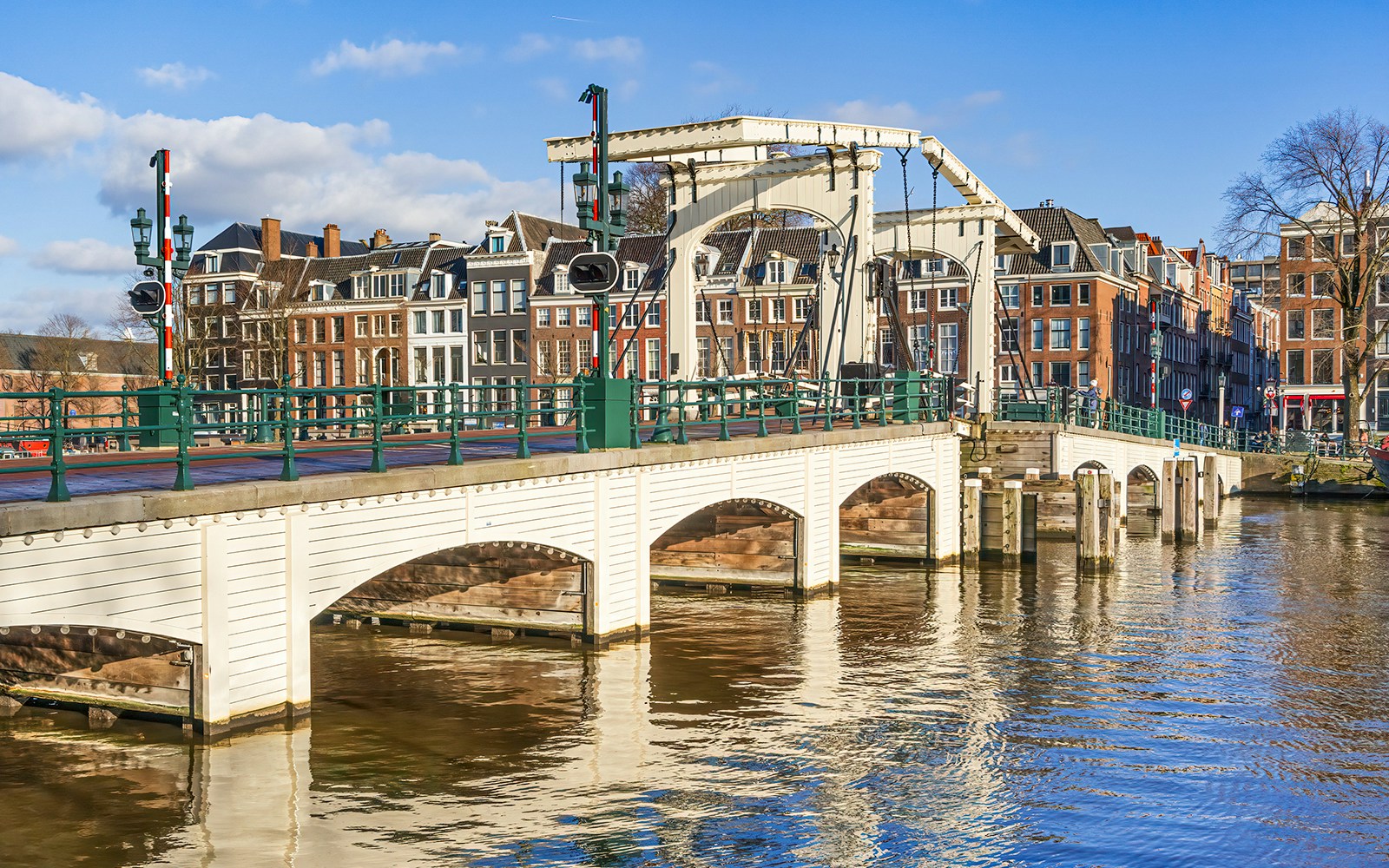
Magere Brug over Amstel River with canal houses in Amsterdam.

Know before you go

  • Most Keizersgracht canal cruises operate daily from 9am to 10pm.
  • During the Amsterdam Light Festival, special evening departures may continue until 11pm.

Keizersgracht spans 2.6 kilometres and is easily accessible from Amsterdam Centraal Station, Dam Square, Leidseplein, and the Museum District.

Most major operators have boarding docks near Centraal Station, but for a quieter start, look for boutique operators departing near the Greenwood Keizersgracht or the Jordaan district.

  • Most classic glass-topped boats are semi-accessible but require stepping down 1–3 steps. 
  • For full wheelchair access, specifically book the Blue Boat tours departing from the Hard Rock Café pier, as they are equipped with lifts.
  • Dress in layers: Amsterdam's weather can shift quickly, making layered clothing the most practical choice throughout the year.
  • Bring a waterproof jacket: Light showers are common year-round, even on otherwise sunny and pleasant days.
  • Prepare for cooler evenings: Temperatures beside the water often feel noticeably cooler after sunset, especially on open boats.
  • Wear comfortable footwear: Canal-side streets, bridges, and boarding areas may be uneven or slippery after rain.
  • Check accessibility before booking: Boarding arrangements and onboard facilities vary between operators, so confirm accessibility features before reserving.
  • Modern boats offer easier access: Larger sightseeing vessels often provide wider entry points and more accessible boarding conditions.
  • Historic boats may involve steps: Traditional saloon boats frequently require navigating narrow entrances and steep boarding stairways.
  • Request assistance in advance: Many operators can arrange boarding support when notified beforehand, ensuring a smoother cruise experience.

Visitor tips

  • Book one of the day's last departures: You'll avoid peak daytime boat traffic and enjoy a calmer, less crowded cruise.
  • Choose a sunset departure if you're interested in photography: The lower light angle makes canal houses and bridge reflections easier to capture.
  • Schedule your cruise after a day of sightseeing: Evening departures offer a more relaxed atmosphere when the city begins to quiet down.
  • Take a late-afternoon cruise, then stay for dinner nearby: Keizersgracht sits within walking distance of many canal-side restaurants and cafés.
  • Pair a sunset cruise with a walk afterwards: Bridge lights begin switching on shortly after sunset, creating a completely different atmosphere.

Frequently asked questions about Keizersgracht canal

No, the canal is a public space. However, boat tours and specific museums like Museum Van Loon require individual tickets.

More Reads