Amsterdam Canal Cruises

Cruise Amsterdam's oldest waterway: A guide to Singel canal cruises

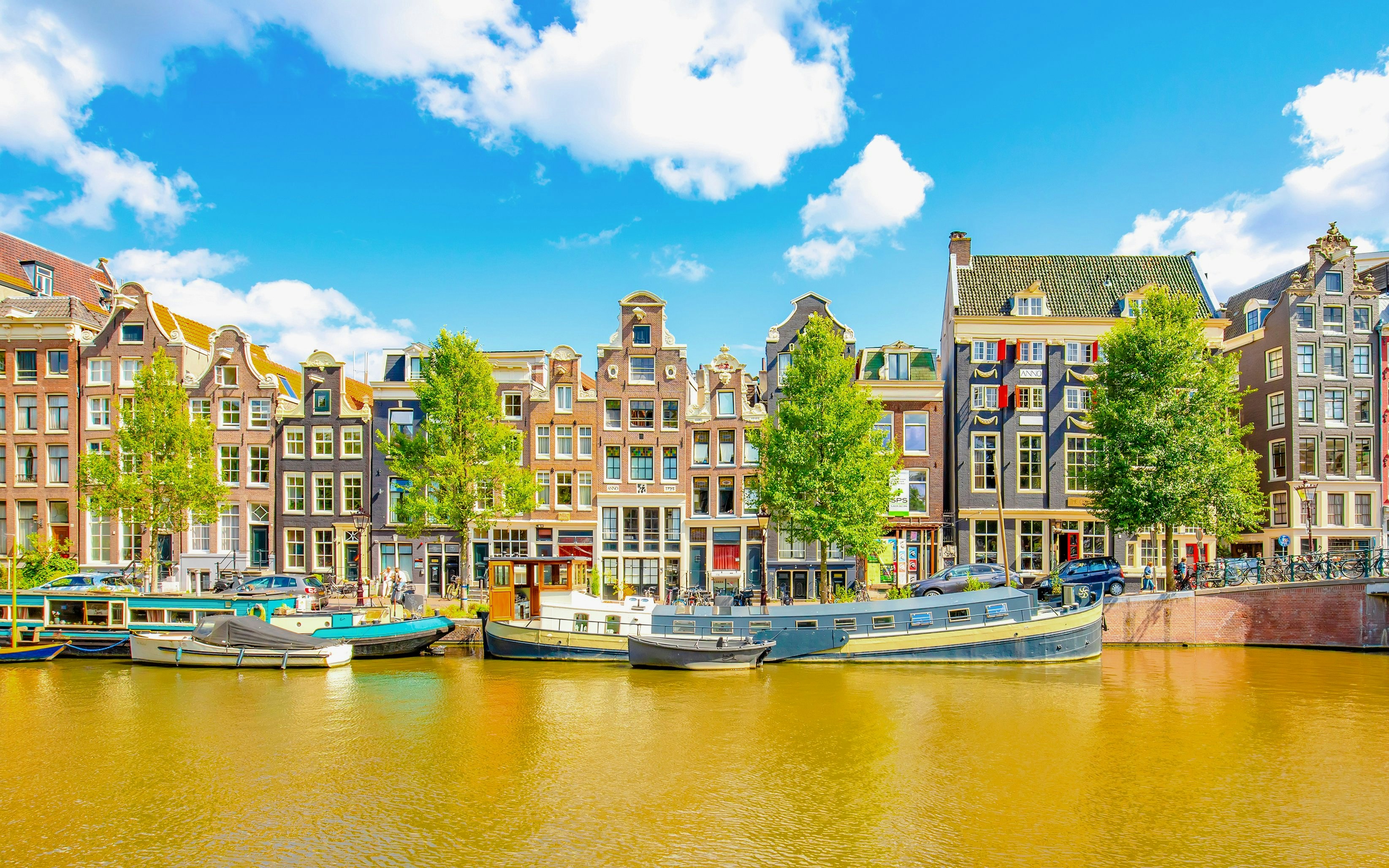
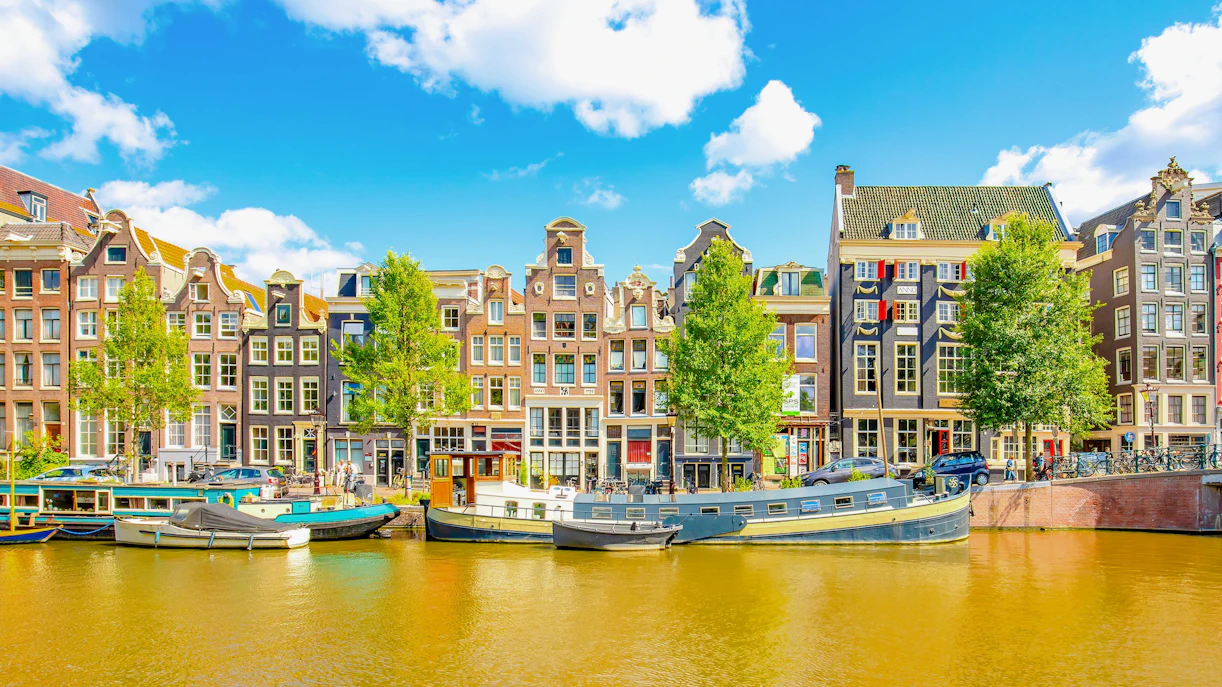
Amsterdam city skyline with colorful dancing houses along Singel canal, Netherlands.

Singel | Amsterdam's original canal

Singel is Amsterdam's oldest major canal and the historic waterway that once formed the city's medieval defensive boundary. Today, it marks the inner edge of Amsterdam's UNESCO-listed Canal Ring and offers a unique look at the city's transition from a fortified settlement to a thriving trading centre.

  • Must-see highlights: Bloemenmarkt, Torensluis Bridge, Munttoren, Koepelkerk, and the famous narrowest house at Singel 7.
  • Current role: Singel remains a lively mix of historic architecture, houseboats, markets, shops, cafés, and cultural landmarks in the heart of Amsterdam.
  • Unique fact: For nearly two centuries, Singel served as Amsterdam's outer moat before the city's famous Canal Ring expanded beyond it.

Where is it located?

Singel stretches from Amsterdam Centraal Station in the north to Muntplein and the Amstel River in the south. It forms the innermost canal of the Canal Ring and sits between the medieval city centre and the later 17th-century canals.

How to access?

Most Amsterdam canal cruises include Singel as part of their city-centre route. Boarding points are commonly located near Centraal Station, Damrak, Leidseplein, and the Anne Frank House. The canal is also easily explored on foot thanks to its central location.

Why is it called Singel?

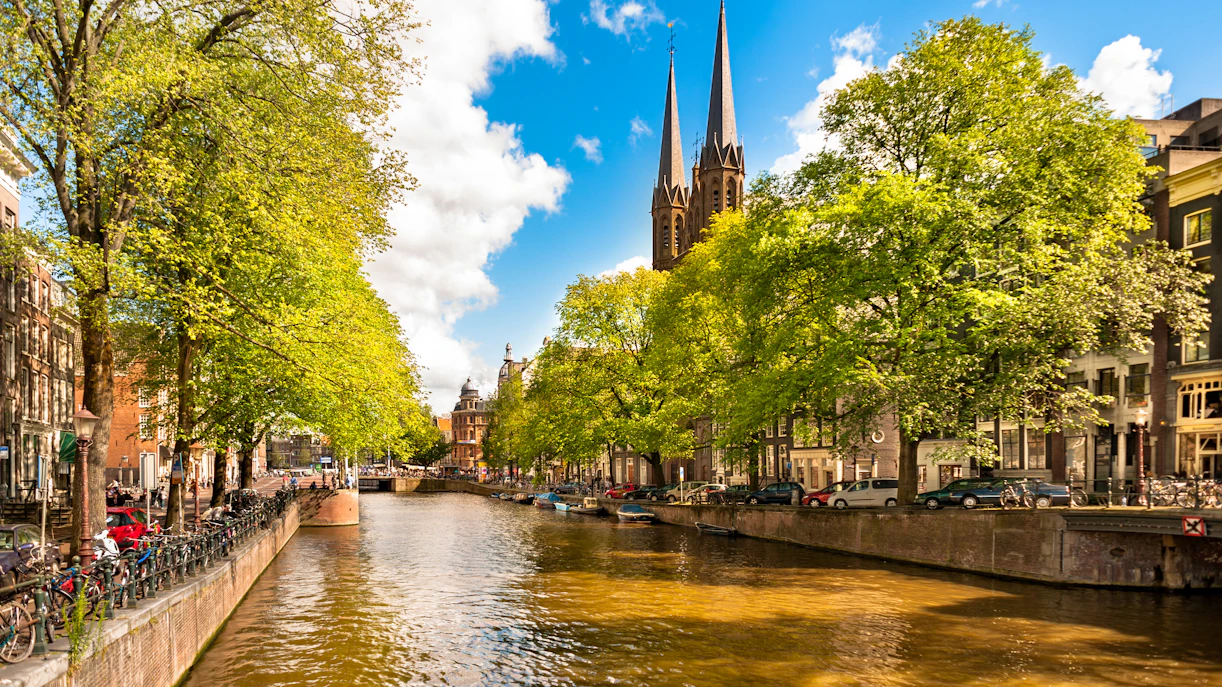
Singel Canal in Amsterdam with Bartolotti House and church spires in the background.

The word "Singel" originates from an old Dutch term referring to a defensive moat or belt surrounding a city.

When Singel was dug during the 15th century, it marked Amsterdam's outer boundary and played an important defensive role. As the city expanded during the Dutch Golden Age, new canals were constructed beyond it, transforming Singel from a fortification into a residential and commercial waterway.

Today, Singel remains one of the clearest reminders of medieval Amsterdam and provides a direct link between the city's oldest neighbourhoods and its later Canal Ring expansion.
Things to know before booking Singel canal cruise tickets

  • Most routes include Singel: Because of its central location, the majority of sightseeing cruises navigate at least part of the canal.
  • Open boats offer better views: Smaller open-air boats provide clearer views of landmarks such as Bloemenmarkt and Torensluis Bridge.
  • Morning departures are quieter: Earlier cruises typically encounter less canal traffic and offer calmer conditions for photography.
  • Evening cruises showcase illuminated bridges: After sunset, bridge lighting and canal reflections create a more atmospheric experience.
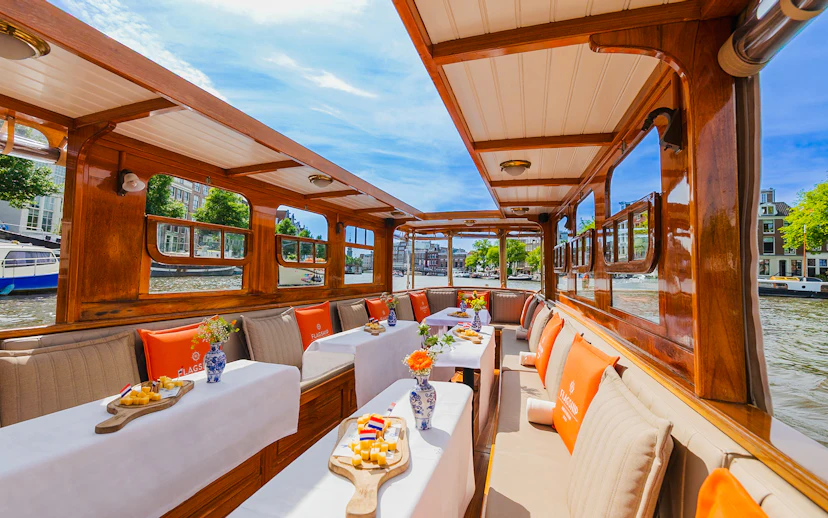
  • Accessibility varies by operator: Larger sightseeing boats often provide easier boarding than historic saloon boats and smaller vessels.

Best ways to experience Singel

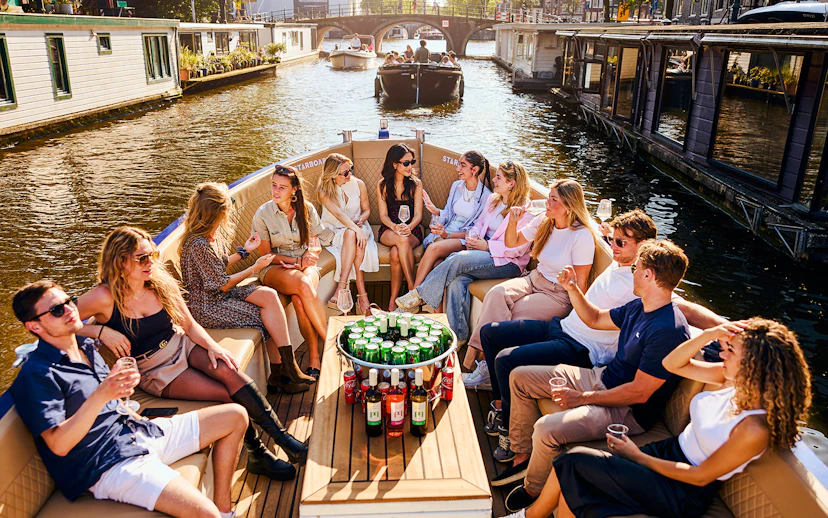
On a canal cruise

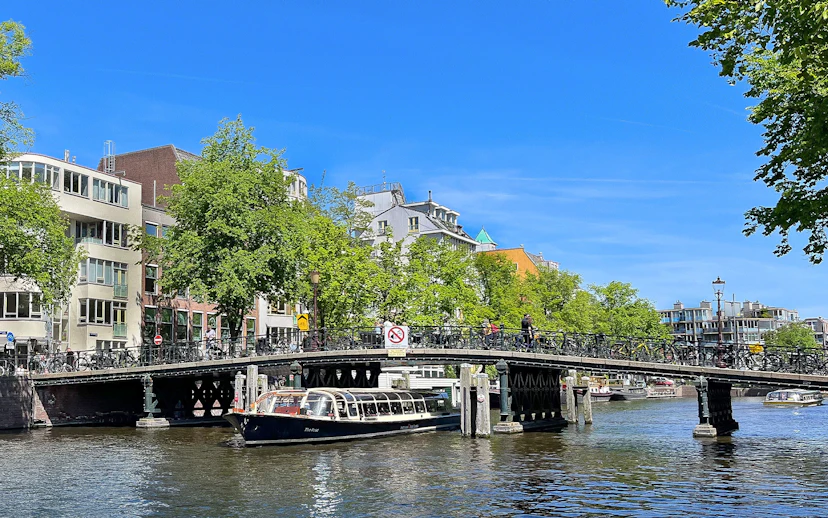
Viewing Singel from the water reveals its medieval origins, historic bridges, floating market stalls, and distinctive canal houses.

On foot

Walking alongside Singel allows closer inspection of architectural details, historic façades, hidden courtyards, and waterside cafés.

During flower season

Spring brings additional colour to the Bloemenmarkt area, making this one of the most vibrant stretches of the canal.

At night

Illuminated bridges, reflections, and quieter surroundings create a completely different atmosphere after sunset.

Your Singel canal cruise ticket types

Ticket typeIs Singel access included?Why go for it?Starting price
Classic city cruise

Yes

Budget-friendly introduction

From €10.88

Open boat cruise

Yes

Best photography opportunities

From €17

Evening cruise

Yes

Atmospheric canal views

From €19.50

Wine & cheese cruise

Yes

Relaxed social experience

From €31.45

Dinner cruise

Yes

Scenic dining experience

From €20.16

What to see along the Singel canal

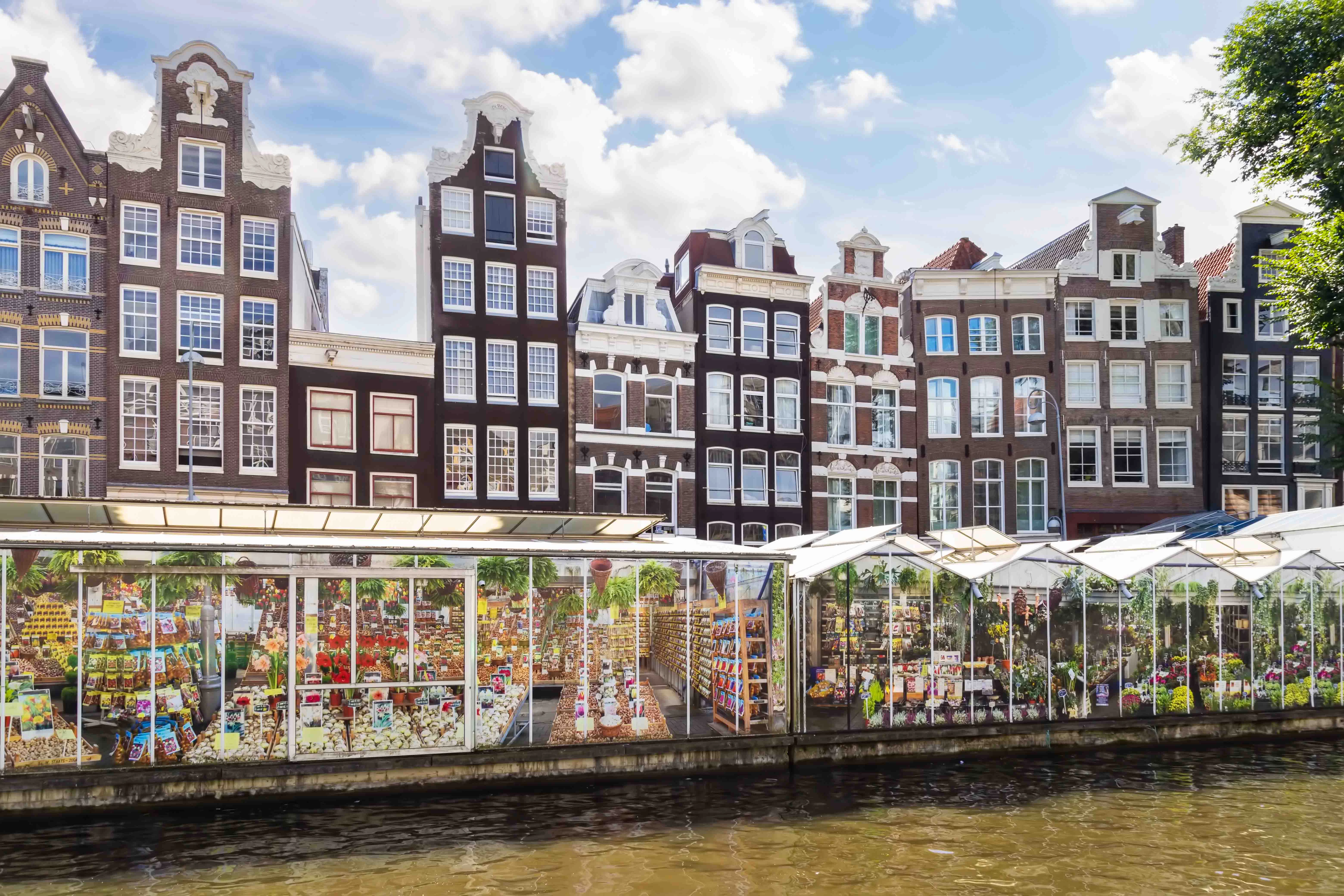
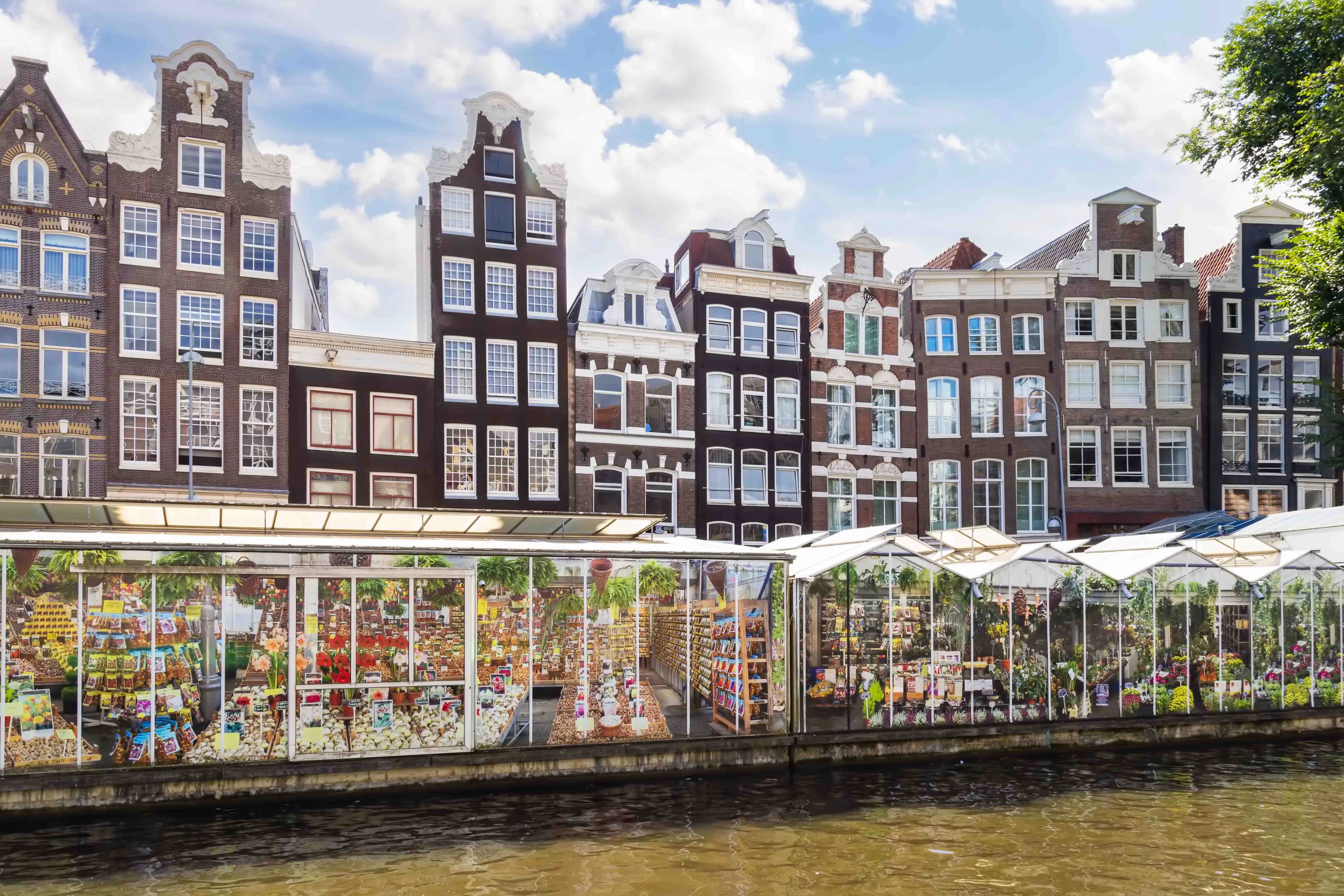
Canal-side flower market with traditional Dutch buildings in Amsterdam.
1/6

Bloemenmarkt

The world's only floating flower market has occupied the canal since the 19th century and remains one of Amsterdam's most recognisable attractions.

Munttoren

This striking tower marks the southern end of Singel and stands on the site of one of Amsterdam's former medieval city gates.

Torensluis

Amsterdam's oldest and widest bridge once contained prison cells within its structure and remains one of the city's most historic crossings.

Koepelkerk

The distinctive copper dome of the Round Lutheran Church creates one of Singel's most recognisable skyline features.

The Spui

Located just off Singel, this historic square is known for its cafés, bookshops, markets, and cultural atmosphere.

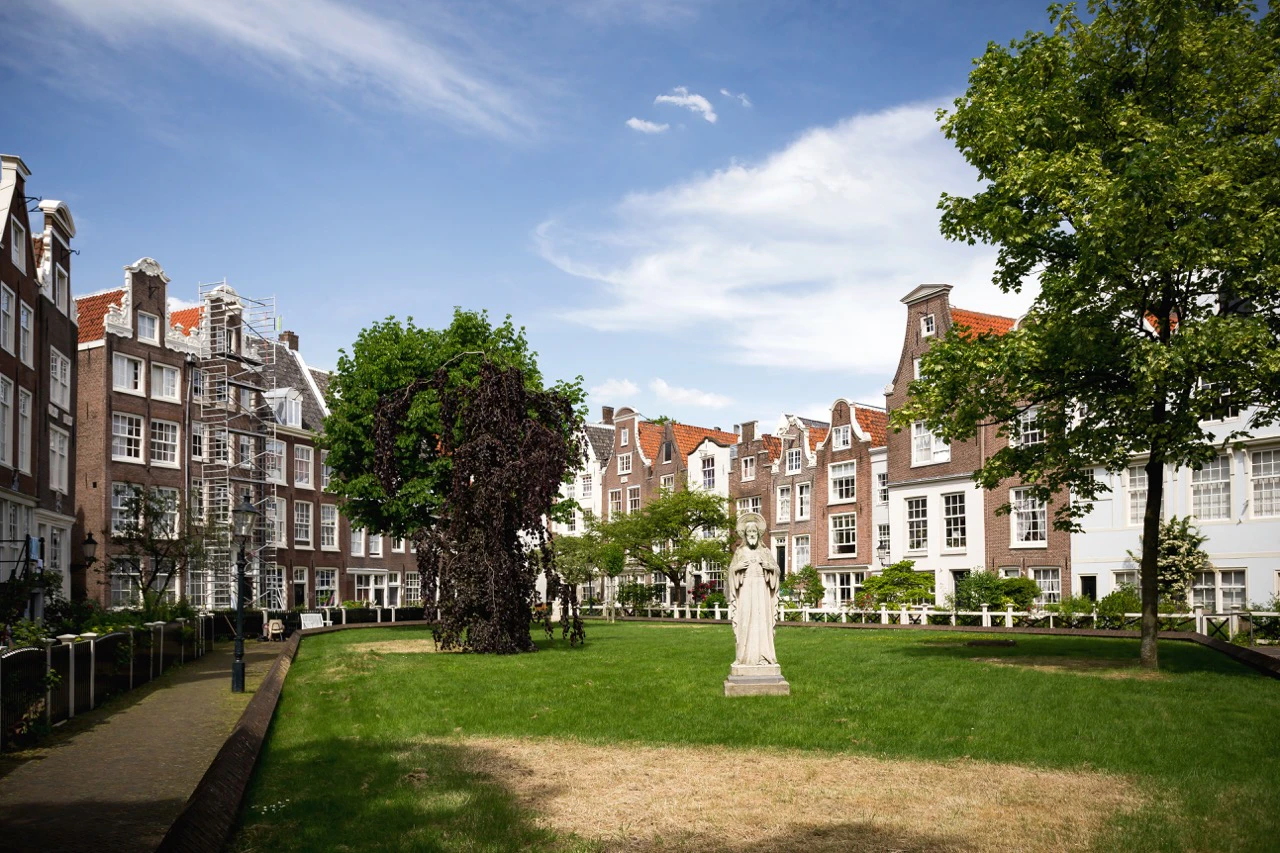
Begijnhof

One of Amsterdam's oldest courtyards, hidden behind the busy streets near Singel and dating back to the Middle Ages.

Best time to visit Singel

  • Morning tranquillity: Visit early for quieter waterways, softer light, and fewer boats, creating ideal conditions for sightseeing and photography.
  • Golden-hour views: Late-afternoon sunlight enhances historic façades, bridge details, and reflections across the canal's calm waters.
  • Blue-hour atmosphere: Stay after sunset to enjoy illuminated bridges, glowing windows, and beautiful reflections beneath deep evening skies.
  • Spring flower season: Bloemenmarkt and nearby streets become especially colourful during spring, adding extra vibrancy to canal views.

Photography guide to Singel

Best photography spots

Torensluis Bridge, Bloemenmarkt, Munttoren, Koepelkerk, and the narrowest house offer some of Singel's strongest photo opportunities.

Capture the historic contrasts

Frame medieval landmarks alongside later canal houses to showcase the city's architectural evolution.

Choose an open boat

Open-air cruises minimize reflections and provide cleaner photographs of canal houses, bridges, and waterfront details.

Look for hidden details

Watch for gable stones, decorative façades, houseboats, historic shopfronts, and centuries-old architectural features.

Historical and cultural significance of Singel

For centuries, Singel formed Amsterdam's outer defensive moat and marked the edge of the medieval city. As trade expanded and the city grew, the canal evolved from a military boundary into a thriving residential and commercial waterway.

Today, Singel remains one of the best places to understand Amsterdam's urban development, connecting the medieval city centre with the later UNESCO-listed Canal Ring that transformed Amsterdam into a global trading powerhouse.

Explore the history of Amsterdam's canals >

Architectural highlights of Singel

Amsterdam city skyline with colorful dancing houses along Singel canal, Netherlands.

Singel preserves some of Amsterdam's oldest surviving canal-side architecture. Along the canal, visitors encounter stepped gables, neck gables, merchant houses, churches, and former warehouses that reflect the city's gradual growth beyond its medieval core.

Because Singel developed earlier than much of the Canal Ring, many buildings display architectural styles dating from the late 16th and early 17th centuries. The Munttoren and Torensluis Bridge remain among the canal's most important historic structures.

Notable figures of the Singel

Frans Banning Cocq

The central figure in Rembrandt’s The Night Watch lived in the monumental house "De Dolphijn" at Singel 140.

Know more

Multatuli

The celebrated Dutch writer is commemorated by a statue on Torensluis Bridge overlooking the canal.

Know more

Hendrick de Keyser

The influential Dutch architect designed the iconic spire of Munttoren and helped shape Amsterdam's architectural identity.

Know more

What makes Singel different?

  • Medieval origins: Unlike Amsterdam's later canals, Singel originally functioned as the city's defensive moat, marking the medieval urban boundary.
  • Floating flower market: Bloemenmarkt, the world's only floating flower market, has operated along Singel since the 19th century, attracting visitors year-round.
  • Historic landmarks: Landmarks like Munttoren, Torensluis Bridge, and Koepelkerk showcase centuries of Amsterdam's architectural and urban development.
  • Compact atmosphere: Singel's narrower width creates a more intimate canal experience, with landmarks, bridges, and houseboats appearing closer.
  • Oldest canal houses: Many canal-side buildings date from Amsterdam's earliest expansions, making Singel home to some remarkably old architecture.

Nearby sights to combine with your visit

Canal-side flower market with traditional Dutch buildings in Amsterdam.

Bloemenmarkt

Browse Amsterdam's famous floating flower market, located directly along the canal's southern section.

Amsterdam Begijnhof courtyard with historic buildings and a statue.
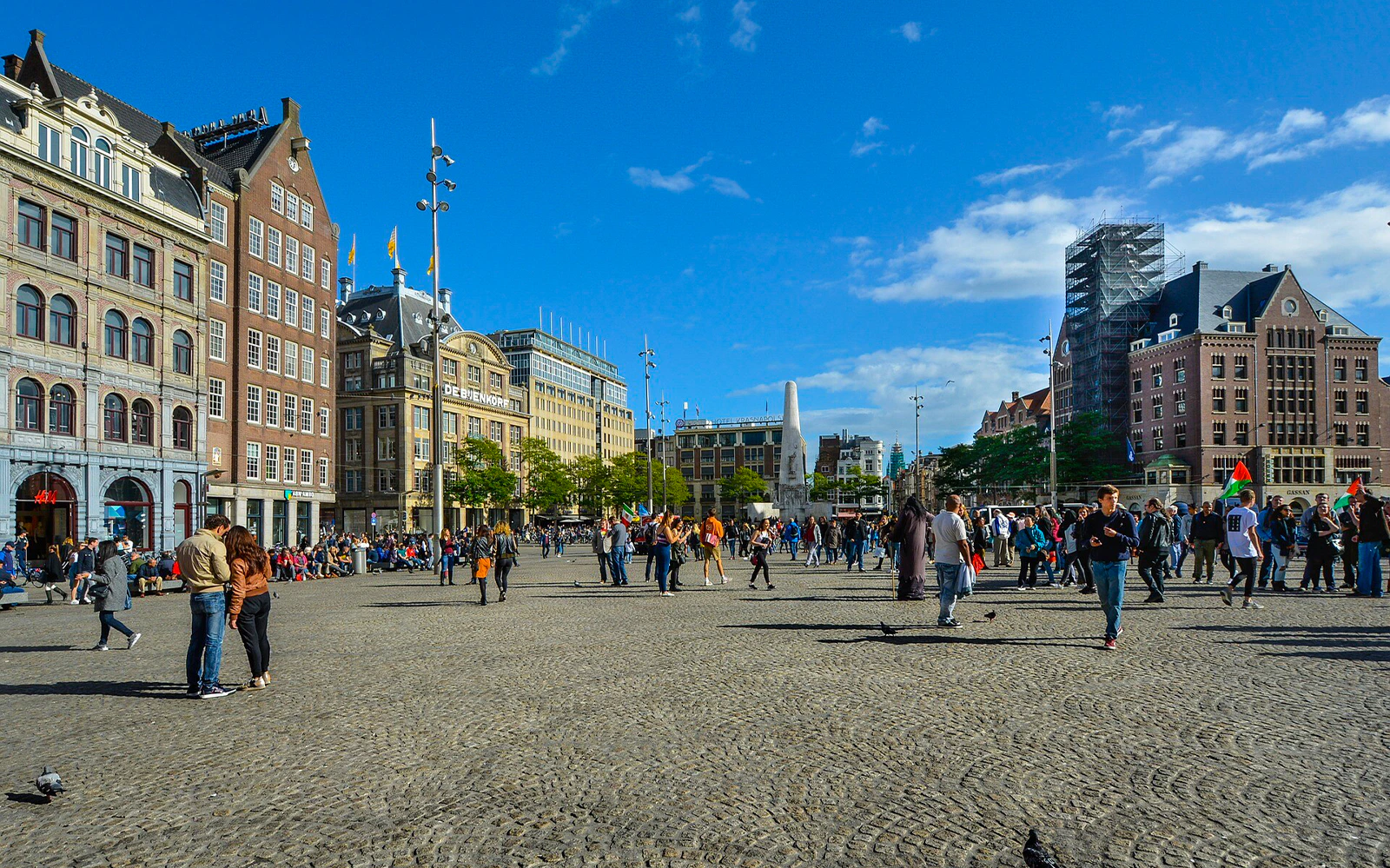
Dam Square with people walking and historic buildings, Amsterdam audio tour.
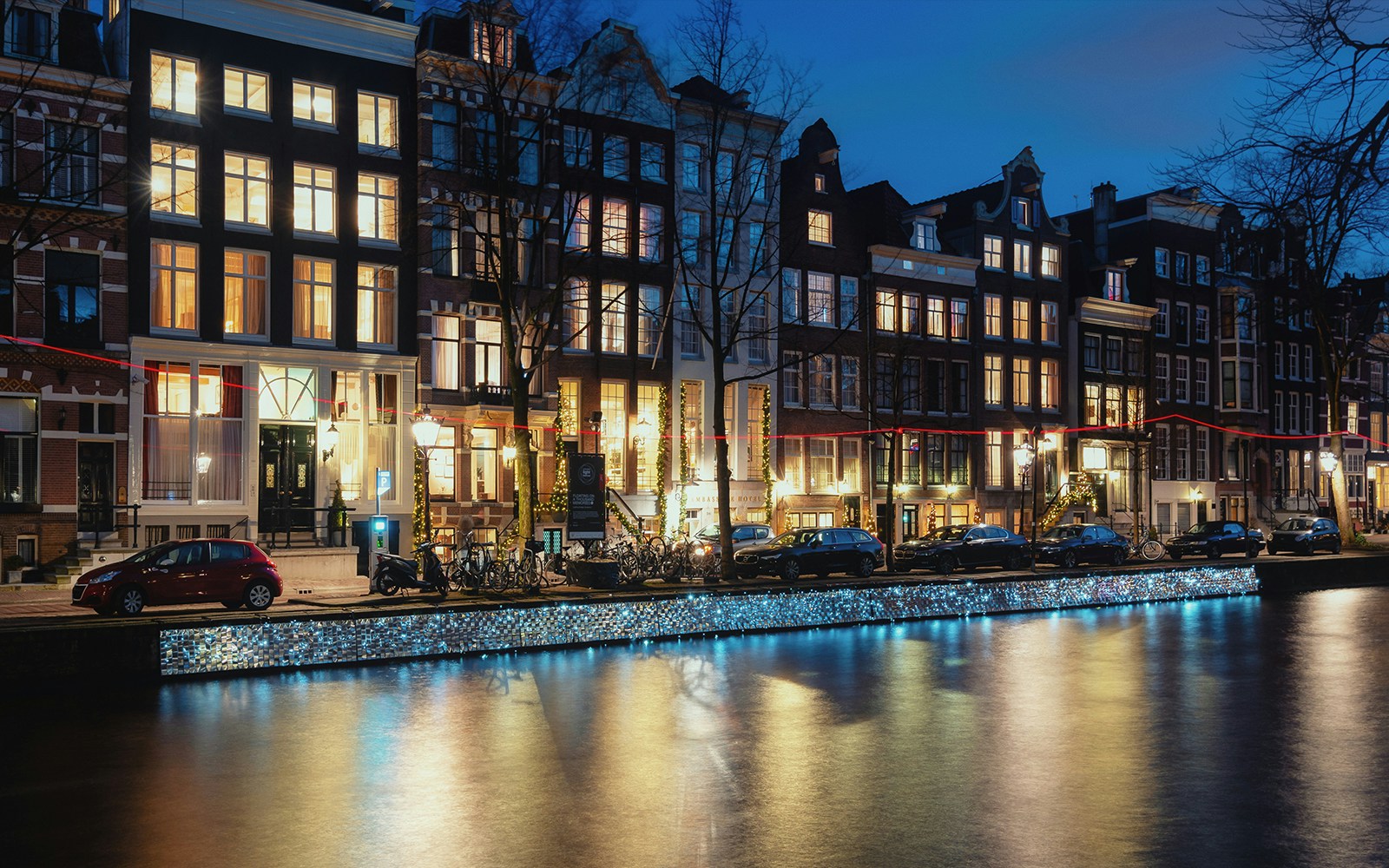
Canal houses along Herengracht in Amsterdam illuminated at night.
Canal-side buildings and bicycles in Amsterdam, Netherlands.

Know before you go

  • Most Singel canal cruises operate daily between 9am and 10pm.
  • Evening departures become particularly popular during summer months and Amsterdam Light Festival season.
  • Singel runs through central Amsterdam and is easily reached by tram, bicycle, or on foot.
  • Many canal cruise departures are located near Centraal Station, Damrak, and the Anne Frank House area.
  • Dress in layers: Amsterdam's weather often shifts between sunshine, clouds, and light showers throughout the day.
  • Carry a waterproof jacket: Brief rain showers are common year-round, particularly during spring and autumn months.
  • Bring an extra layer for evenings: Temperatures beside the water can feel noticeably cooler after sunset.
  • Wear comfortable footwear: Canal-side streets, bridges, and cobblestones can occasionally be uneven or slippery.
  • Check accessibility before booking: Boarding arrangements and accessibility features vary significantly between cruise operators and vessel types.
  • Choose larger sightseeing boats: Modern vessels generally offer easier boarding and greater accessibility than historic boats.
  • Expect steps on traditional boats: Historic saloon boats often require navigating narrow entrances and steep boarding steps.
  • Request assistance ahead of time: Many operators can provide boarding support when notified before your departure.

Visitor tips

  • Choose a route passing Bloemenmarkt: Not every canal cruise highlights the floating flower market equally, so check routes beforehand.
  • Arrive early for Torensluis photos: Visiting before midday helps avoid crowds at one of Singel's best viewpoints.
  • Pair your cruise with Begijnhof: Combining both offers a deeper understanding of Amsterdam's medieval history.
  • Keep an eye out for De Poezenboot: The floating cat sanctuary is surprisingly easy to miss if you're not watching.
  • Look beyond the major landmarks: Historic shopfronts, hidden courtyards, and gable details reveal some of Singel's best stories.

Frequently asked questions about Singel

Singel served as Amsterdam's outer defensive moat before the city expanded during the 17th century.

More Reads