One of the most influential architects of the Dutch Golden Age, responsible for designing Bartolotti House and numerous landmarks throughout Amsterdam.
Herengracht I Amsterdam's most prestigious canal
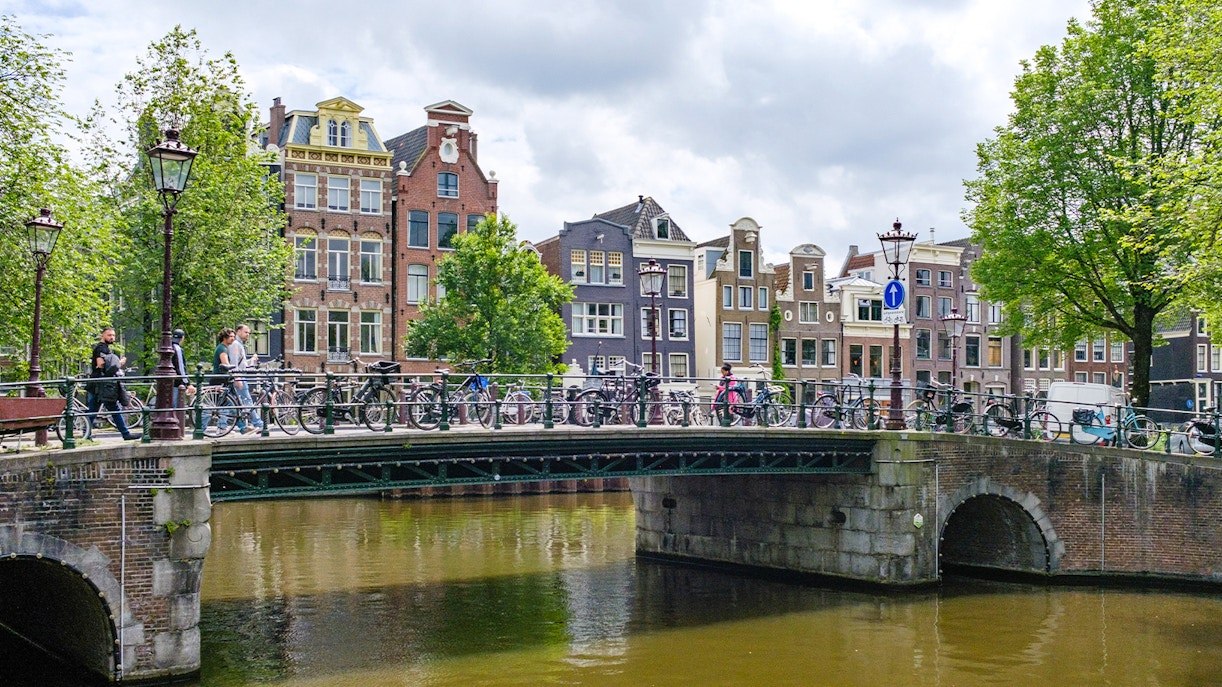
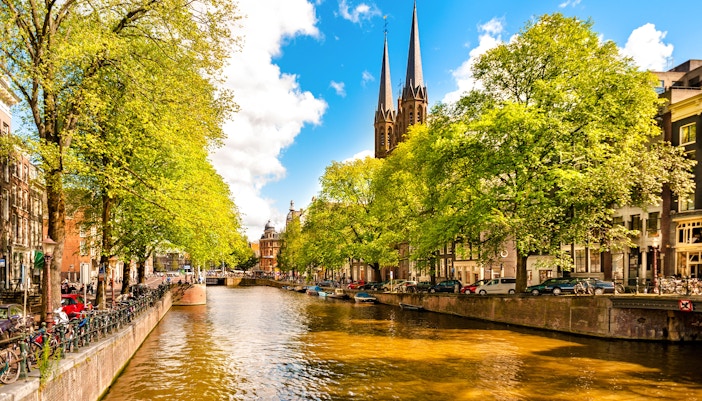
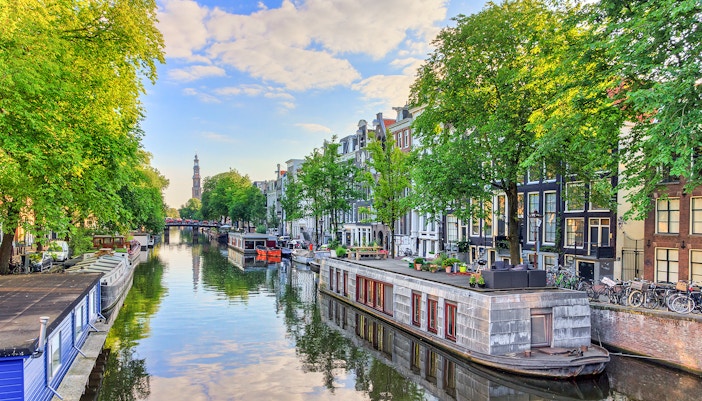
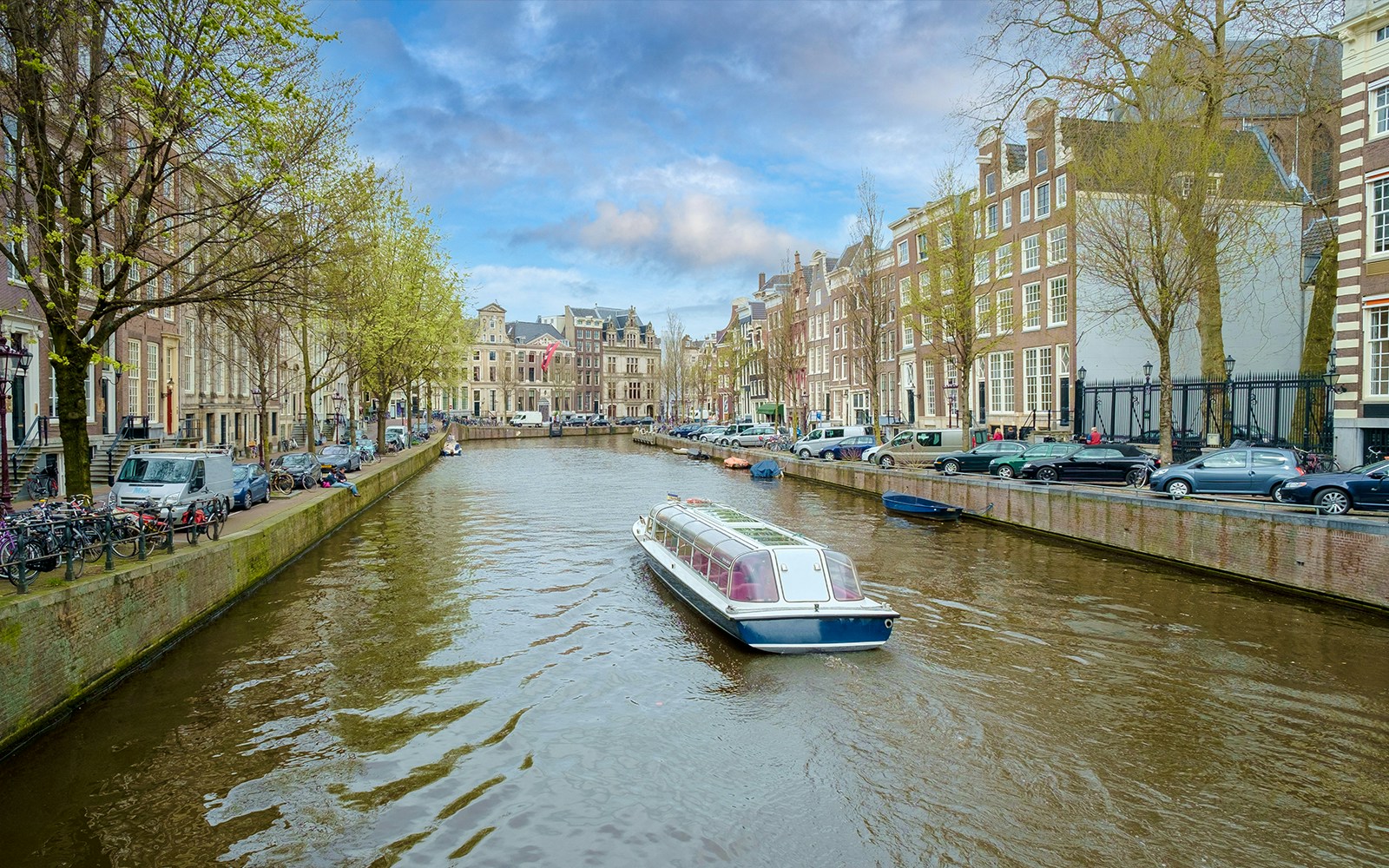
Herengracht is the most prestigious canal within Amsterdam's UNESCO-listed Canal Ring and the clearest showcase of the wealth generated during the Dutch Golden Age.
- Must-see highlights: The Golden Bend, Bartolotti House, Willet-Holthuysen Museum, Mayor's Residence, and the Seven Bridges viewpoint.
- Current role: Herengracht remains one of Amsterdam's most desirable addresses, home to museums, historic residences, businesses, and cultural institutions.
- Unique fact: Many of the canal's grandest houses were built across multiple plots, creating façades far wider than those found elsewhere in Amsterdam.
Where is it located?
Herengracht runs through the heart of Amsterdam's Canal Ring, stretching from Brouwersgracht in the north to the Amstel River in the south. It sits between Singel and Keizersgracht and passes some of the city's most historic neighbourhoods.
How to access?
Most Amsterdam canal cruises include Herengracht as part of their route. Boarding points are typically located near Amsterdam Centraal Station, Damrak, Leidseplein, or the Rijksmuseum area. You can also explore the canal on foot, with wide canal-side streets and bridges offering excellent views of the historic architecture.
Why is it called Herengracht?
Things to know before booking Herengracht canal cruise tickets
- Route coverage: Most sightseeing cruises pass through Herengracht, but not all cover the entire canal. If the Golden Bend is a priority, check the route before booking.
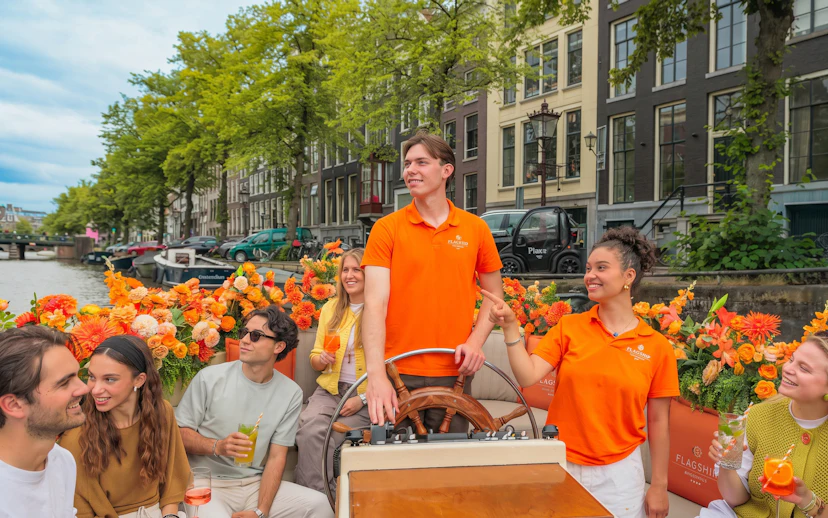
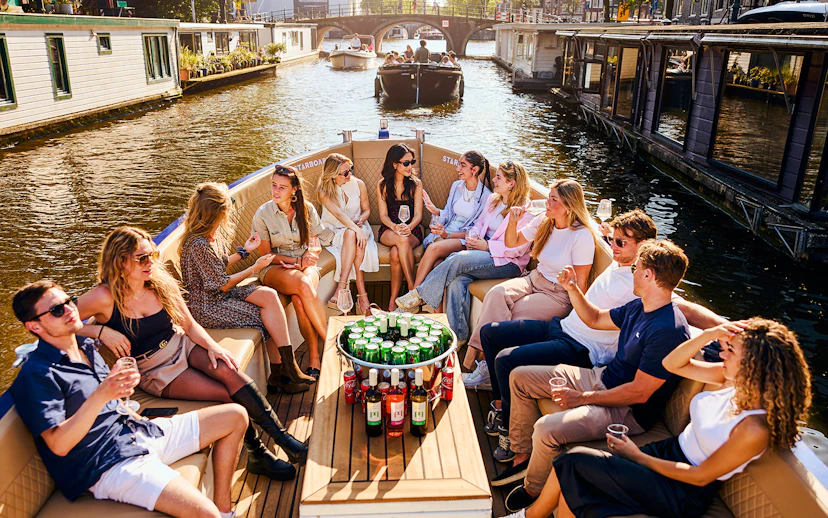
- Choose the right boat type: Open-air boats and smaller sloops provide closer views of architectural details such as gables, carvings, and decorative façades that can be harder to appreciate from larger vessels.
- Evening departures offer a different atmosphere: After sunset, illuminated bridges and reflections transform Herengracht into one of Amsterdam's most atmospheric waterways.
- Accessibility varies: Accessibility features differ between operators. Modern sightseeing boats often offer step-free access, while historic vessels may require navigating steep boarding steps.
Best ways to experience Herengracht
Your Herengracht canal cruise ticket types
| Ticket type | Is Herengracht access included? | Why go for it? | Starting price | Recommended tours |
|---|---|---|---|---|
| Classic sightseeing cruise | Yes | Budget-friendly introduction | From €13.05 | 1-hour classic canal cruise |
| Open boat tour | Yes | Best architecture views | From €18.40 | Eco-friendly open boat cruise |
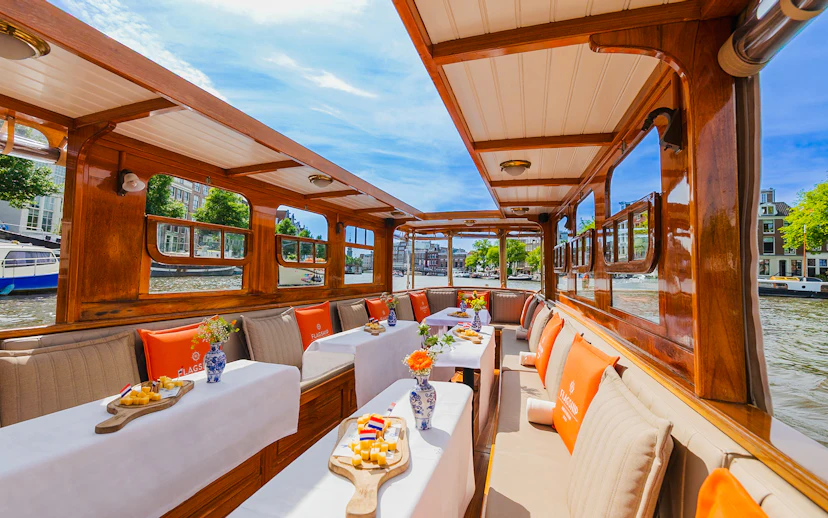
| Private saloon boat | Yes | Small-group atmosphere | From €31.45 | Historic saloon cruise |
| Dinner cruise | Yes | Evening canal experience | From €33.58 | Dinner or dining cruise |
| Hop-on hop-off cruise | Yes | Flexible sightseeing | From €29.50 | Amsterdam Hop-on Hop-off Boat Tour |
What to see along the Herengracht canal
1/12
The Golden Bend
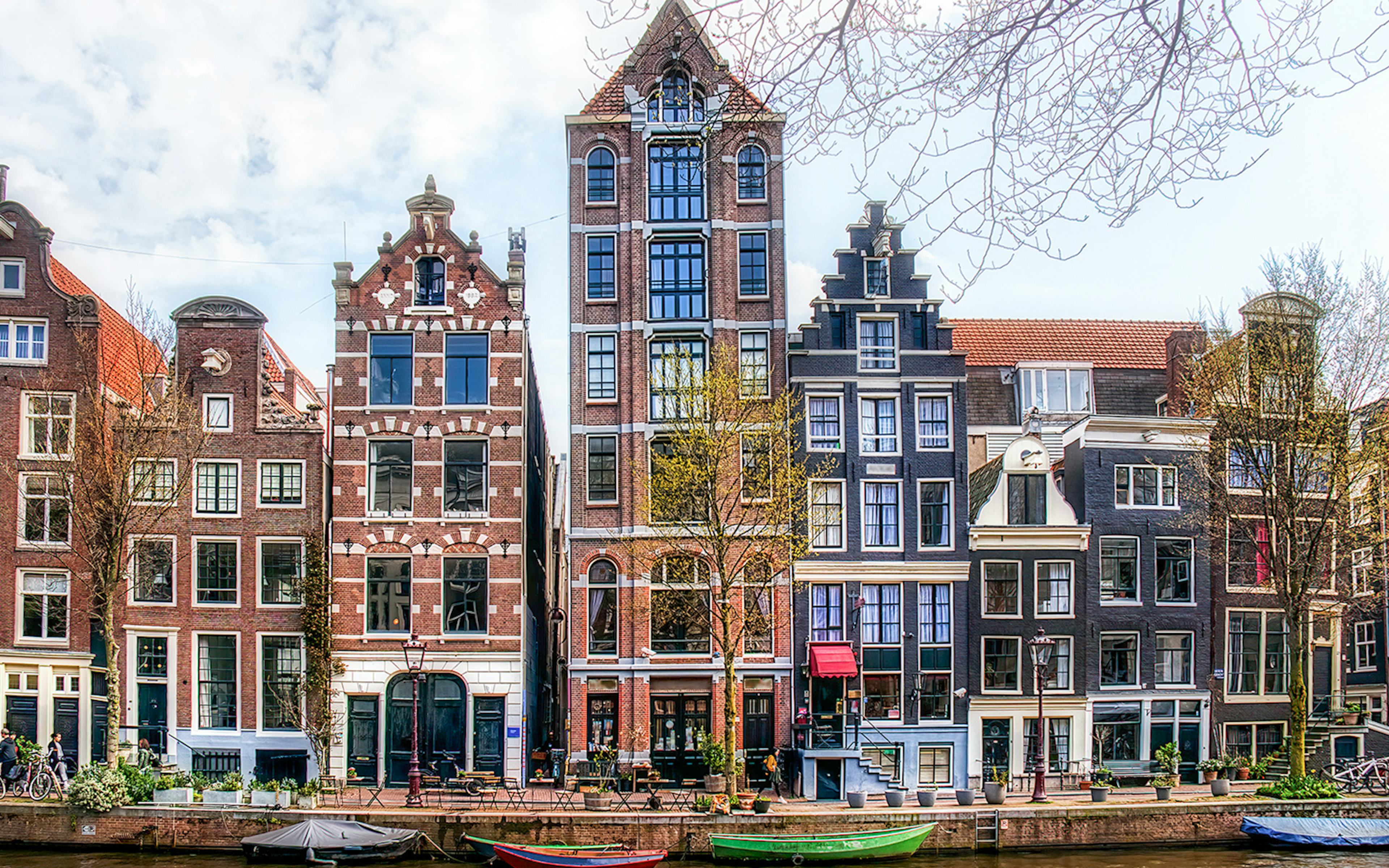
Located between Leidsestraat and Vijzelstraat, the Golden Bend is the most prestigious stretch of Herengracht. Wide canal mansions, ornate entrances, and elaborate façades reveal the wealth accumulated during Amsterdam's trading boom.
The Mayor’s Residence
Known as the House with the Columns, this elegant neoclassical building serves as the official residence of Amsterdam's mayor and remains one of the canal's most recognisable landmarks.
Bartolotti House
One of Amsterdam's finest canal houses, Bartolotti House showcases richly decorated Renaissance architecture designed by Hendrick de Keyser.
Museum of the Canals (Het Grachtenhuis)
This museum explains how Amsterdam's Canal Ring was planned, engineered, and expanded, offering valuable context for understanding Herengracht itself.
The Cromhouthuizen
A collection of four grand canal houses that exemplify Dutch Classical architecture and the ambitions of Amsterdam's merchant elite.
Willet-Holthuysen Museum
One of the few canal houses where visitors can explore lavish historic interiors, including period rooms, ballrooms, and formal gardens.
The Office of the Big Five
At Herengracht 507, you can spot the former headquarters of the Dutch West India Company. This building played a massive role in the global trade history associated with the Herengracht.
The House with the Heads
This striking mansion is instantly recognisable thanks to the six sculpted heads adorning its façade, making it one of Herengracht's most photographed buildings.
West India House
Closely tied to Amsterdam's maritime and colonial history, this landmark played a role in the founding of New Amsterdam, which later became New York City.
KattenKabinet
Housed within an elegant canal mansion, this unusual museum combines historic interiors with a collection dedicated entirely to cats in art.
Driekoningenstraat Bend
A noticeable curve in Herengracht reveals the original path of Amsterdam’s medieval moat. This kink offers a quiet visual cue to the city’s layered and evolving urban layout.
The Hoxton Hotel
Occupying five historic canal houses, The Hoxton combines old-world charm with trendy interiors. Visitors enjoy stylish dining and canal views, even if they’re not staying overnight.
Best time to visit Herengracht
- Morning: Early mornings offer quieter canals, softer light, and fewer boats, making this an excellent time for photography and leisurely walks.
- Golden hour: The period before sunset casts a warm glow across Herengracht's canal houses, highlighting architectural details and reflections.
- Blue hour: Shortly after sunset, illuminated bridges and deep blue skies create some of the canal's most atmospheric views.
- Winter and Light Festival season: Special Light Festival cruises combine illuminated artworks with Herengracht's historic scenery, offering a unique seasonal perspective.
Photography guide to Herengracht
Historical and cultural significance of Herengracht
Herengracht emerged as Amsterdam's most desirable residential address during the city's Golden Age. As international trade expanded, wealthy merchants and influential regents settled along the canal, transforming it into the centre of Amsterdam's social, political, and economic life.
The canal's development reflects the broader story of Amsterdam's rise as a global trading power. Today, Herengracht remains one of the best-preserved examples of 17th-century urban planning and continues to play a central role within the UNESCO-protected Canal Ring.
Explore the history of Amsterdam's canals >
Architectural highlights of Herengracht
Notable figures of Herengracht
Know before you go
- Most Herengracht canal cruises operate daily from 9am to 10pm.
- During the Amsterdam Light Festival (typically December to January), special evening cruises run until 11pm to showcase the light installations reflecting on the Herengracht.
The Herengracht is the second main canal in the belt. You can reach the central sections easily by taking Trams 2, 12, or 17 to the "Dam" or "Spui" stops. Most cruises depart from docks near Centraal Station or the Leidseplein area.
- Dress in layers: Amsterdam's weather can shift quickly between sunshine, clouds, and showers, making layered clothing the most practical choice year-round.
- Bring a waterproof jacket: Light rain is common throughout the year, and a compact waterproof jacket can keep you comfortable on canal cruises.
- Prepare for cooler evenings: Even after warm days, temperatures beside the water can drop noticeably after sunset, especially on open boats.
- Choose comfortable footwear: Canal-side streets and boarding areas may be uneven or slippery after rain, making sturdy, comfortable shoes a sensible choice.
- Check accessibility before booking: Facilities vary between operators, so confirm boarding arrangements and accessibility features if you have specific mobility requirements.
- Modern boats offer easier access: Many larger sightseeing vessels feature wider entry points and more accessible boarding than historic canal boats.
- Historic vessels may have steep steps: Traditional saloon boats often require passengers to navigate narrow entrances and steep stairways during boarding.
- Request assistance in advance: Many operators can arrange boarding support when notified ahead of time, helping ensure a smoother cruise experience.
Visitor tips
- Prioritise the Golden Bend: If your cruise route only covers part of Herengracht, make sure it includes the Golden Bend, home to the canal's most impressive architecture.
- Look for wider façades: Many of Herengracht's grandest mansions occupy multiple plots, making them noticeably wider than canal houses elsewhere in the city.
- Pair a cruise with a walking tour: Experiencing Herengracht from both the water and the street provides a fuller appreciation of its architecture and history.
- Visit after sunset: Bridge lighting and reflections create a completely different atmosphere from daytime cruises and showcase the canal at its most elegant.
- Watch for hidden details: Keep an eye out for gable stones, hoisting beams, decorative entrances, and carved façades that reveal clues about former residents and businesses.
Frequently asked questions about Herengracht
The name refers to Amsterdam's ruling regents, or "gentlemen," who played a major role in the city's government and development.
The Golden Bend is the most prestigious section of Herengracht, known for its exceptionally large canal mansions and wealthy history.
Yes. Herengracht forms a central part of Amsterdam's UNESCO-listed Canal Ring.
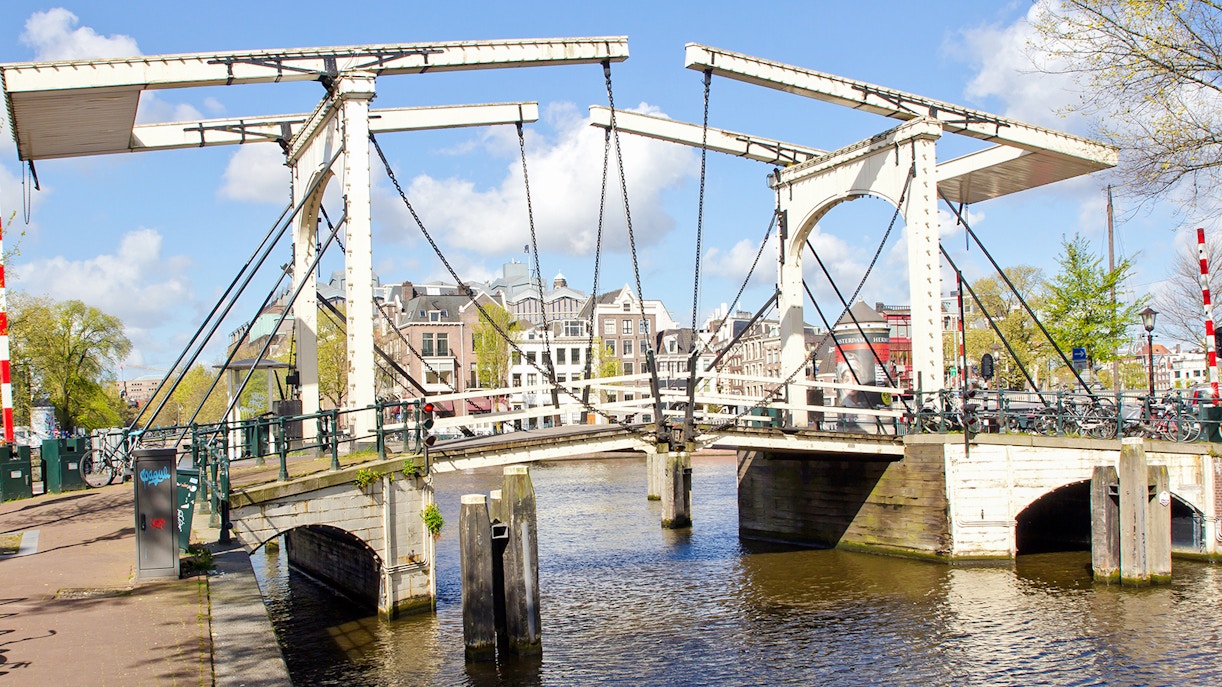
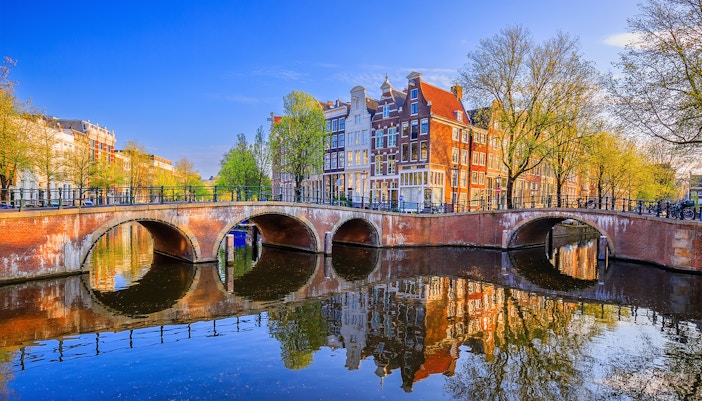
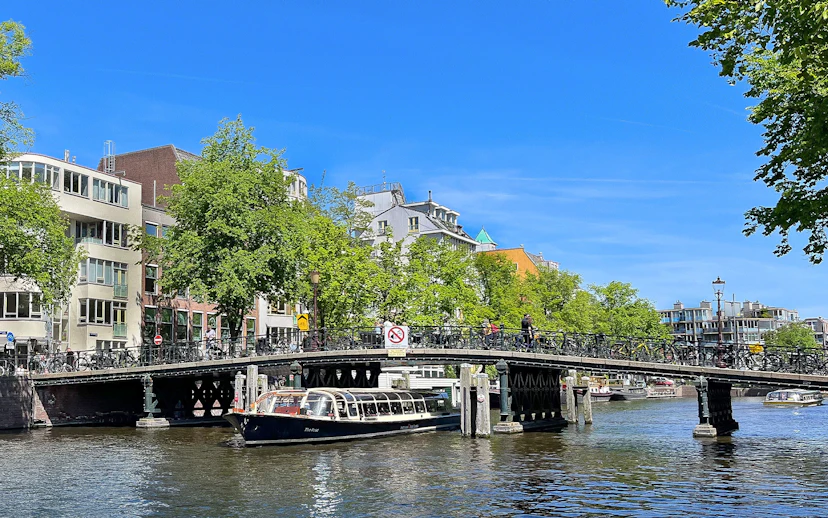
Yes. The famous Seven Bridges viewpoint is located at the intersection of Herengracht and Reguliersgracht.
Both offer different perspectives. A cruise highlights the grandeur of the canal houses, while walking allows closer inspection of architectural details.
Yes. Museums such as the Willet-Holthuysen Museum and Museum of the Canals allow visitors to explore historic canal-house interiors.
Absolutely. Illuminated bridges, reflected lights, and quieter canals create one of Amsterdam's most atmospheric evening settings.
Open-air boats and smaller cruises typically provide the clearest views of Herengracht's architecture.
Most canal cruises spend 60 to 90 minutes covering the Canal Ring, including Herengracht and its major landmarks.
Yes. The combination of historic canal houses, elegant bridges, reflections, and Golden Age architecture makes it one of Amsterdam's premier photography locations.