The world-famous diarist lived in hiding at Prinsengracht 263 during World War II.
Prinsengracht | Amsterdam's longest and most vibrant canal
Prinsengracht is the longest canal within Amsterdam's UNESCO-listed Canal Ring and one of the city's most recognisable waterways. Stretching through historic neighbourhoods, cultural landmarks, bustling markets, and residential districts, it offers a closer look at everyday life in Amsterdam than any other major canal.
- Must-see highlights: Anne Frank House, Westerkerk, Houseboat Museum, Noordermarkt, Jordaan, De Negen Straatjes, and the Prinsengrachtconcert location.
- Current role: Prinsengracht remains a lively residential and cultural waterway lined with houseboats, cafés, galleries, markets, museums, and historic canal houses.
- Unique fact: At over three kilometres long, Prinsengracht is the longest canal in Amsterdam's Canal Ring and home to hundreds of houseboats, making it one of the city's most distinctive waterways.
Where is it located?
Prinsengracht forms the outermost of Amsterdam's three main canals, running between Keizersgracht and the former city ramparts. It stretches from Brouwersgracht in the north to the Amstel River in the south, passing through neighbourhoods such as Jordaan, the Nine Streets, and the historic city centre.
How to access?
Most Amsterdam canal cruises include Prinsengracht as part of their route through the Canal Ring. Popular boarding points can be found near Amsterdam Centraal Station, Damrak, Leidseplein, Rijksmuseum, and the Anne Frank House area. The canal is also easy to explore on foot, with numerous bridges, canal-side streets, and waterside viewpoints offering excellent perspectives of the historic surroundings.
Why is it called Prinsengracht?
Things to know before booking Prinsengracht canal cruise tickets
- Route coverage: Most sightseeing cruises include Prinsengracht, but routes vary. Check whether your cruise passes key landmarks such as the Anne Frank House, Westerkerk, and Jordaan.
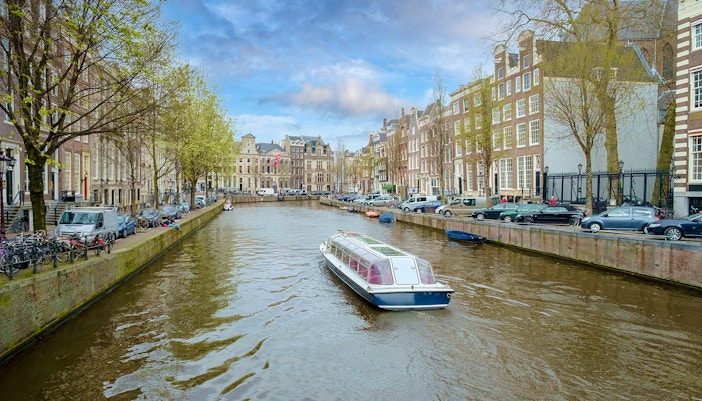
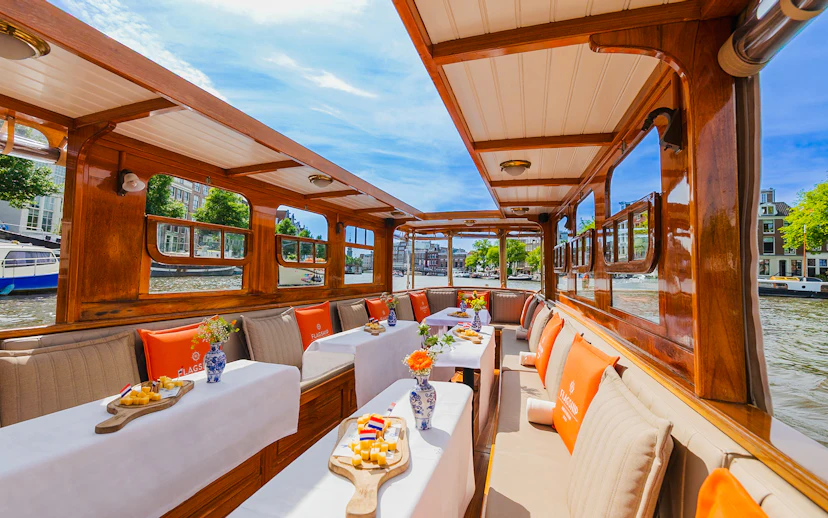
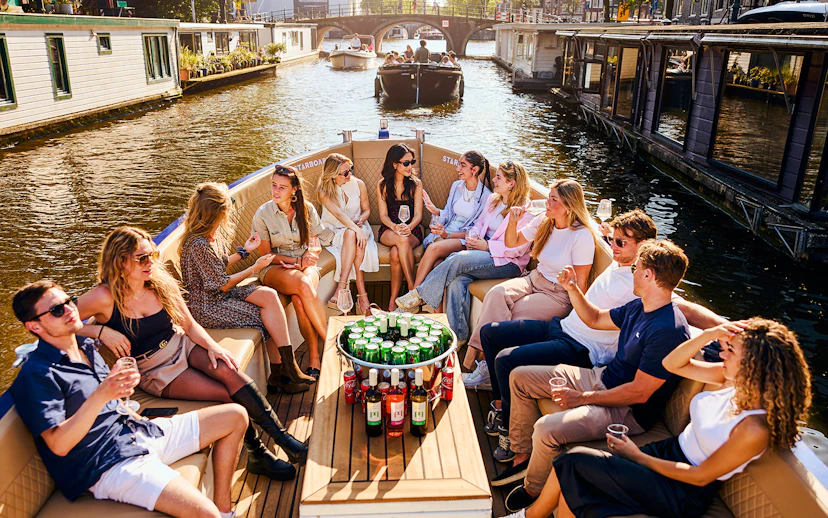
- Choose the right boat type: Open boats and smaller electric vessels provide unobstructed views of houseboats, bridges, and canal houses, while larger glass-roofed boats offer weather protection.
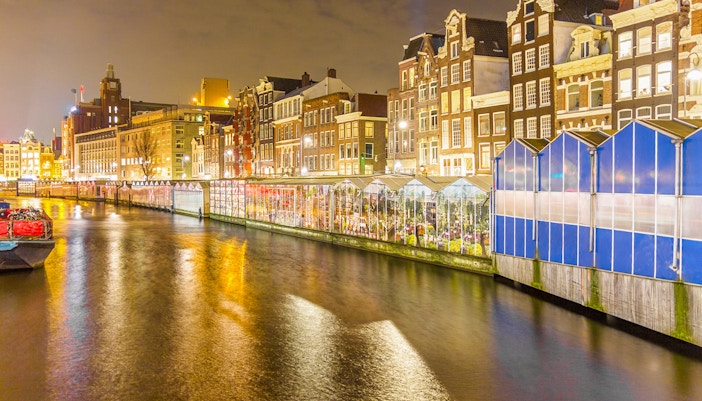
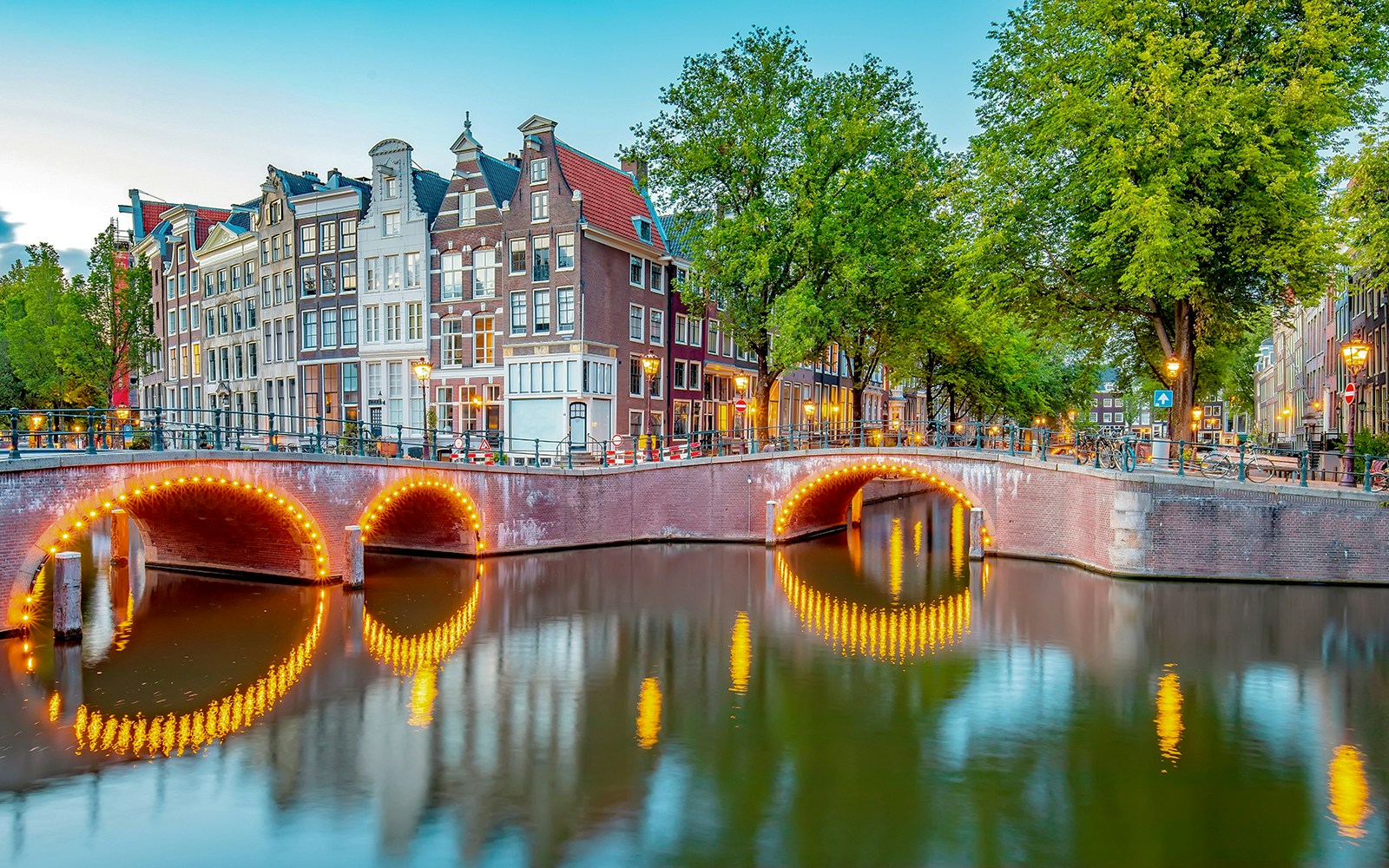
- Evening cruises create a different atmosphere: Illuminated bridges, reflections, and quieter waterways make Prinsengracht particularly scenic after sunset.
- Accessibility varies by operator: Modern sightseeing boats often offer easier boarding than traditional saloon boats, which may require navigating steps.
- Special events can affect routes: During the annual Prinsengrachtconcert and certain city festivals, sections of the canal may have temporary navigation restrictions.
Best ways to experience Prinsengracht
Your Prinsengracht canal cruise ticket types
| Ticket type | Is Prinsengracht included? | Why go for it? | Starting price |
|---|---|---|---|
| Classic sightseeing cruise | Yes | Budget-friendly introduction | From €13.05 |
| Open boat cruise | Yes | Best views and photography | From €18.40 |
| Evening canal cruise | Yes | Atmospheric illuminated scenery | From €22.95 |
| Luxury saloon boat | Yes | Small-group premium experience | From €31.45 |
| Adult's only cruise | Yes | Unwind without family crowds | From €30.82 |
What to see along the Prinsengracht canal
1/10
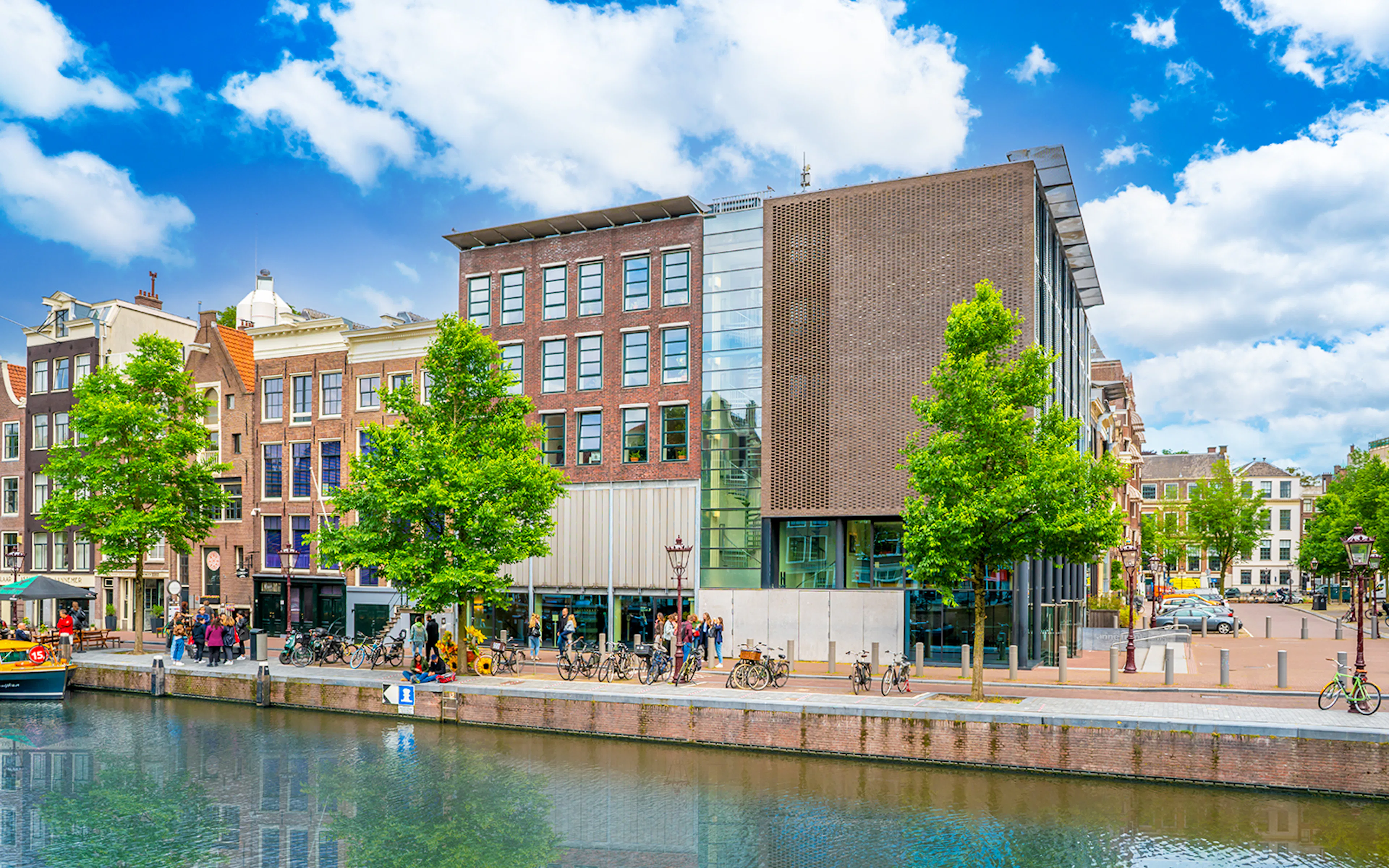
Anne Frank House
One of Amsterdam's most significant historical sites, located at Prinsengracht 263. From the water, visitors can view the canal-side façade of the building where Anne Frank and her family hid during World War II.
Westerkerk
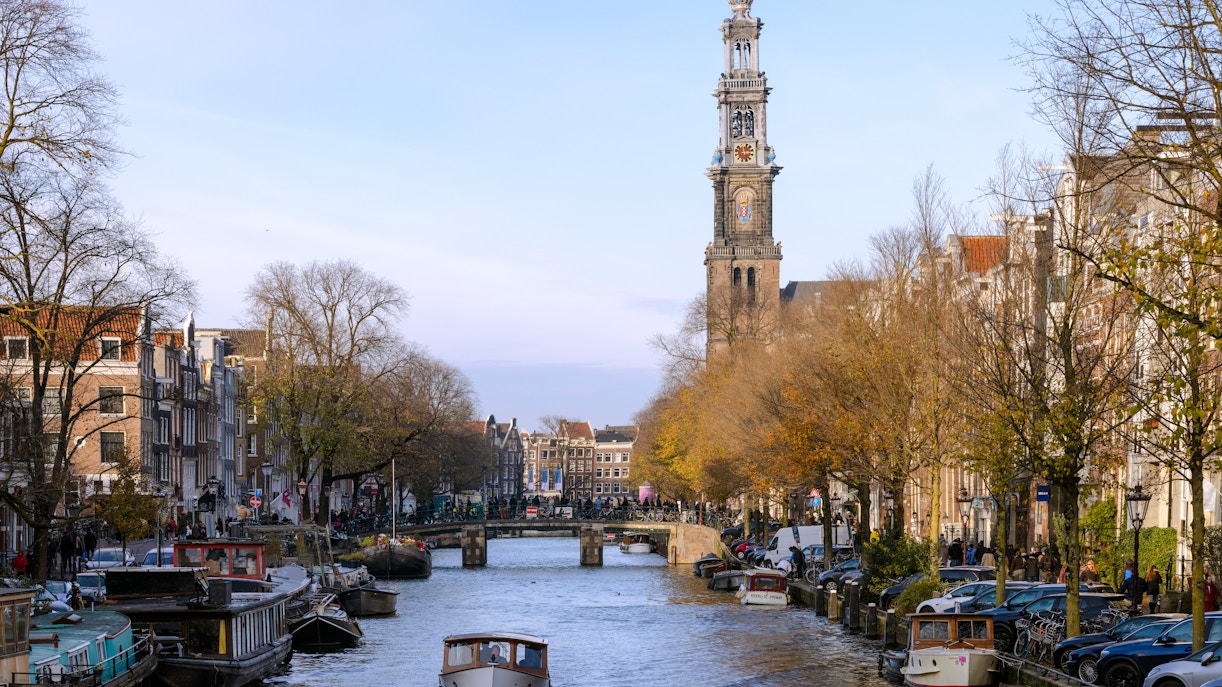
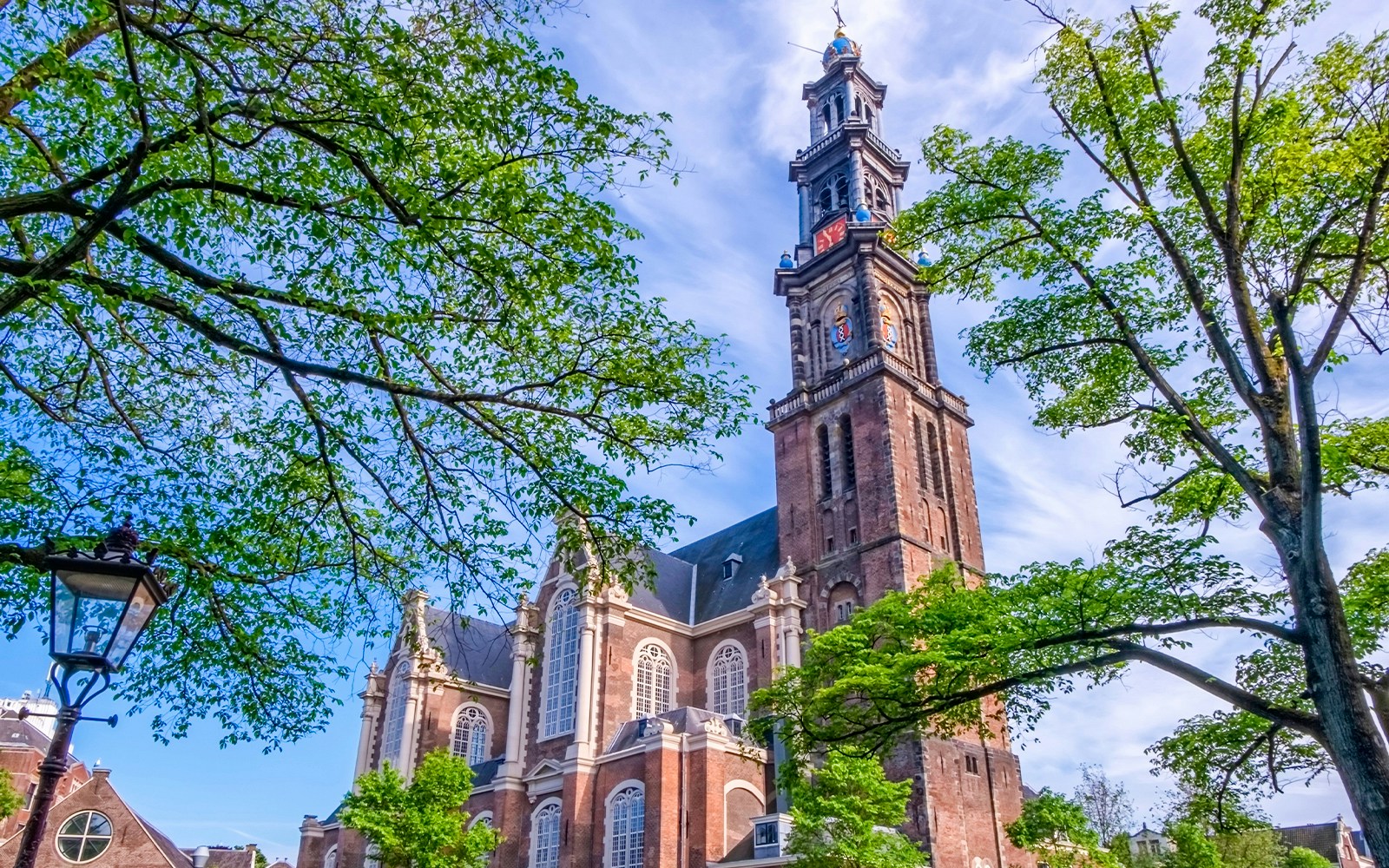
The largest Protestant church in Amsterdam dominates the skyline beside the canal. Its striking tower remains one of the city's most recognisable landmarks.
The Houseboat Museum
Located aboard the former cargo vessel Hendrika Maria, this museum offers insight into life aboard Amsterdam's famous houseboats.
Noordermarkt and Noorderkerk
A historic square and church located near the northern section of Prinsengracht, known for markets, local produce, antiques, and community events.
The Pulitzer Amsterdam
Spread across 25 interconnected canal houses, this landmark hotel demonstrates how historic architecture can be adapted for modern use.
The Milkmaid Bridge (Melkmeisjesbrug)
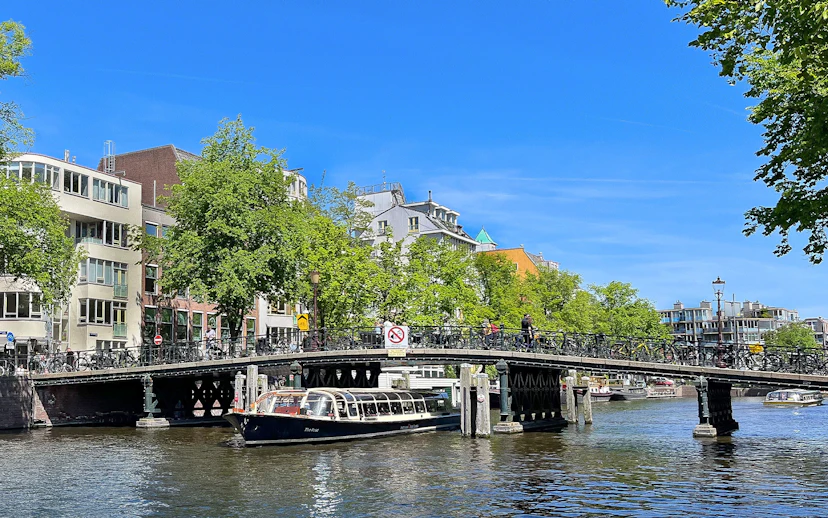
One of the oldest and most charming bridges crossing the Prinsengracht, providing a perfect vantage point for the Seven Bridges view if you look toward the Reguliersgracht.
The Dikker & Thijs Building
An elegant Art Deco landmark that highlights Amsterdam's architectural evolution beyond its Golden Age canal houses.
De Negen Straatjes (Nine Streets)
A network of charming shopping streets crossing the canal, filled with independent boutiques, vintage shops, speciality stores, and cafés.
De Duif Church
This impressive neo-classical church adds another architectural highlight along the southern section of Prinsengracht.
Papeneiland Café
One of Amsterdam's oldest cafés, known for its centuries-old interior, local history, and location near the canal's northern end.
Photography guide to Prinsengracht
Historical and cultural significance of Prinsengracht
Prinsengracht was created as part of Amsterdam's ambitious canal expansion project during the early 17th century. Construction began in 1612 and played a key role in accommodating the city's rapidly growing population and economy.
Unlike some of the inner canals, which attracted Amsterdam's wealthiest residents, Prinsengracht developed as a diverse neighbourhood where merchants, craftsmen, traders, and working families lived and worked alongside one another.
The canal became an important transport route, connecting warehouses, markets, workshops, and homes throughout the city. Over time, churches, institutions, and cultural landmarks were established along its banks.
Prinsengracht also occupies an important place in modern history through its association with Anne Frank and the events of World War II. Today, the canal remains one of the most visited and culturally significant sections of Amsterdam's UNESCO-protected Canal Ring.
Architectural highlights of Prinsengracht
What makes Prinsengracht unique?
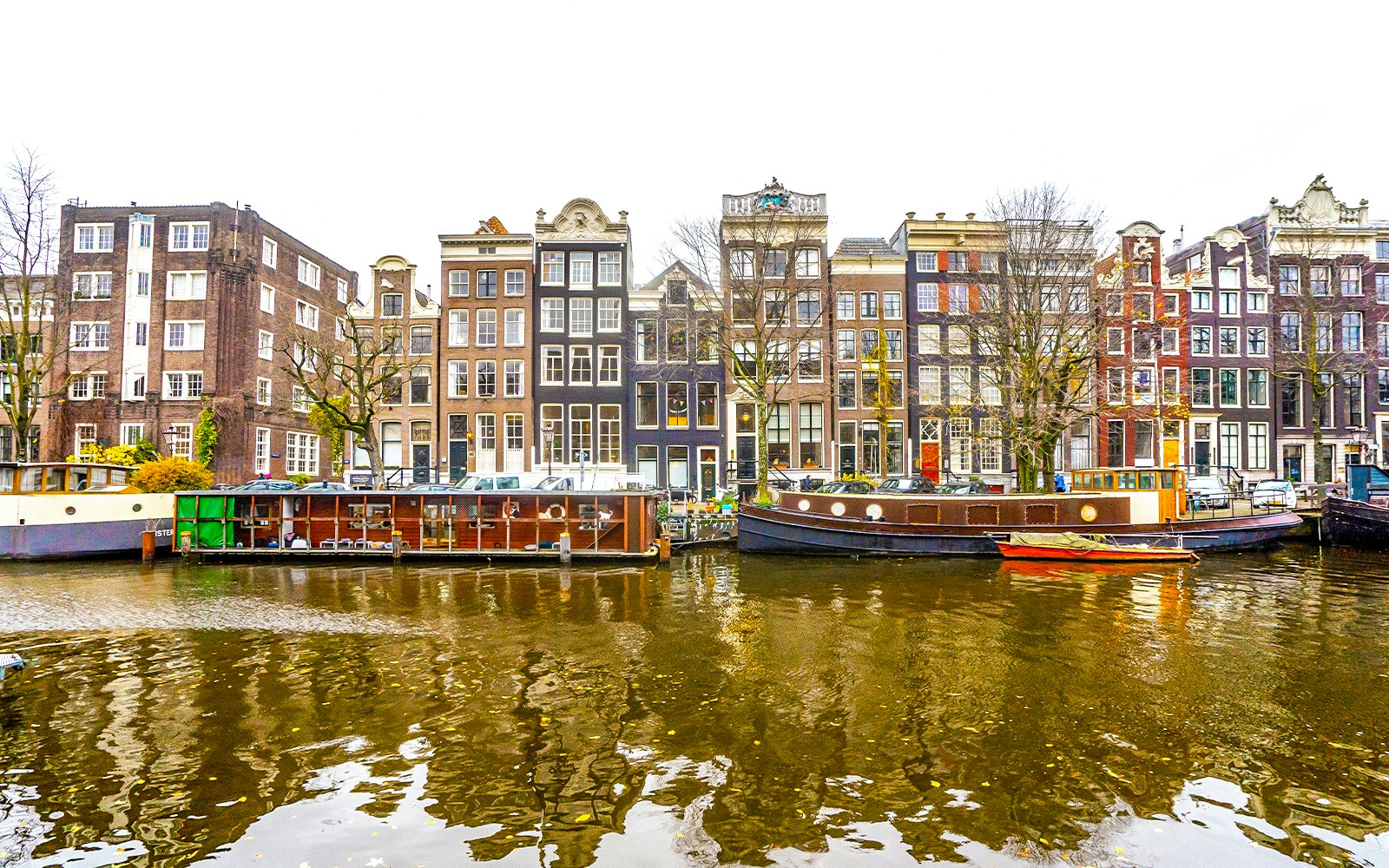
- Houseboat living: Prinsengracht hosts one of Amsterdam's largest collections of houseboats, offering a fascinating glimpse into everyday life on the water.
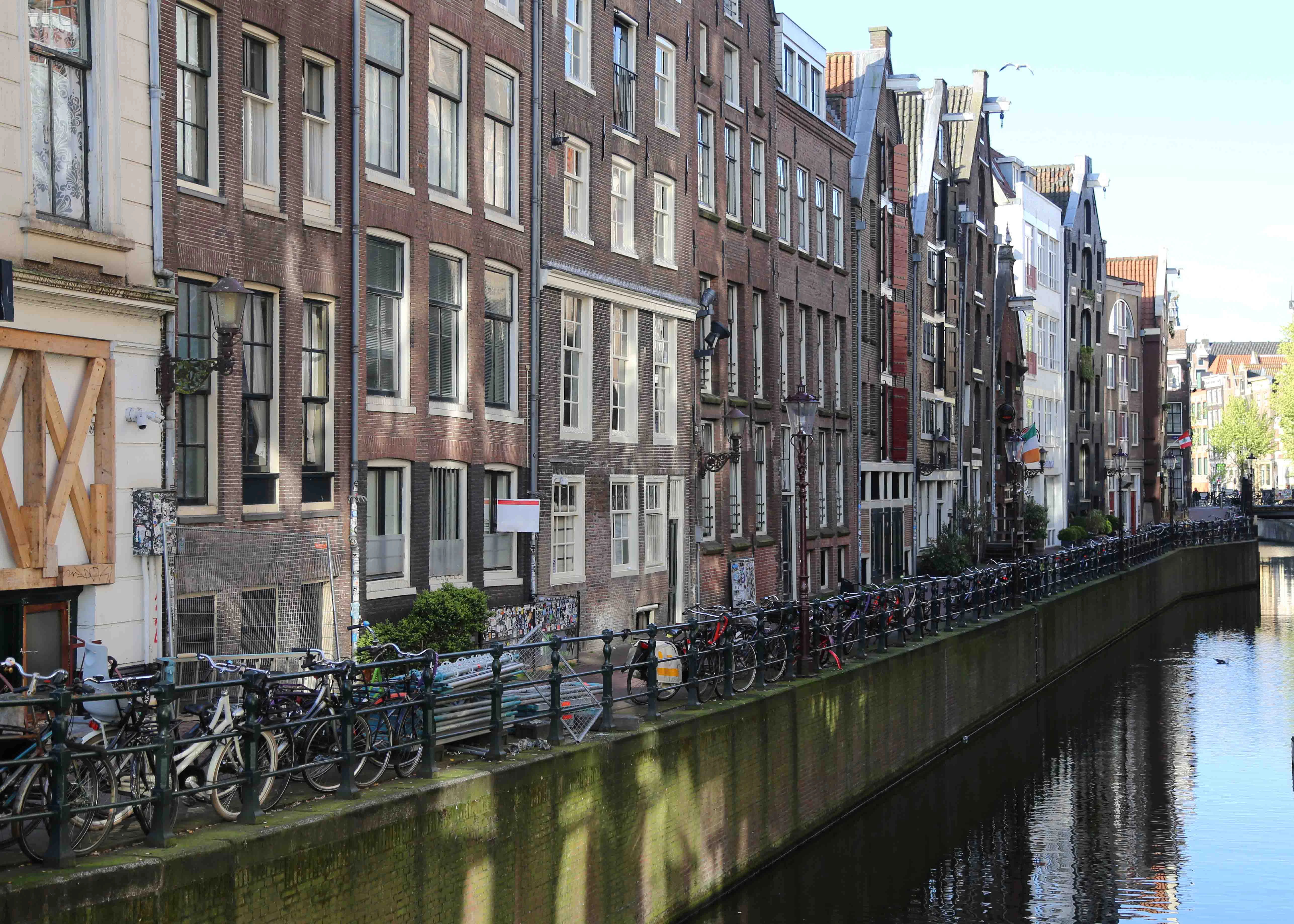
- A canal that feels lived-in: Unlike Amsterdam's grander canals, Prinsengracht combines historic landmarks, homes, cafés, markets, and local life along its banks.
- Floating homes with character: Many former cargo barges have been transformed into stylish homes, often featuring rooftop gardens, terraces, and creative personal touches.
- Historic and contemporary side by side: Centuries-old churches, warehouses, and canal houses stand alongside modern houseboats, reflecting Amsterdam's evolving relationship with its waterways.
- Heart of the Jordaan: Prinsengracht flows through the Jordaan district, connecting visitors to one of Amsterdam's most vibrant and culturally rich neighbourhoods.
- A window into local Amsterdam: From market-goers and cyclists to residents relaxing on houseboats, the canal offers one of the city's most authentic everyday scenes.
Notable figures associated with Prinsengracht
The famous Prinsengrachtconcert
Nearby sights to combine with your visit
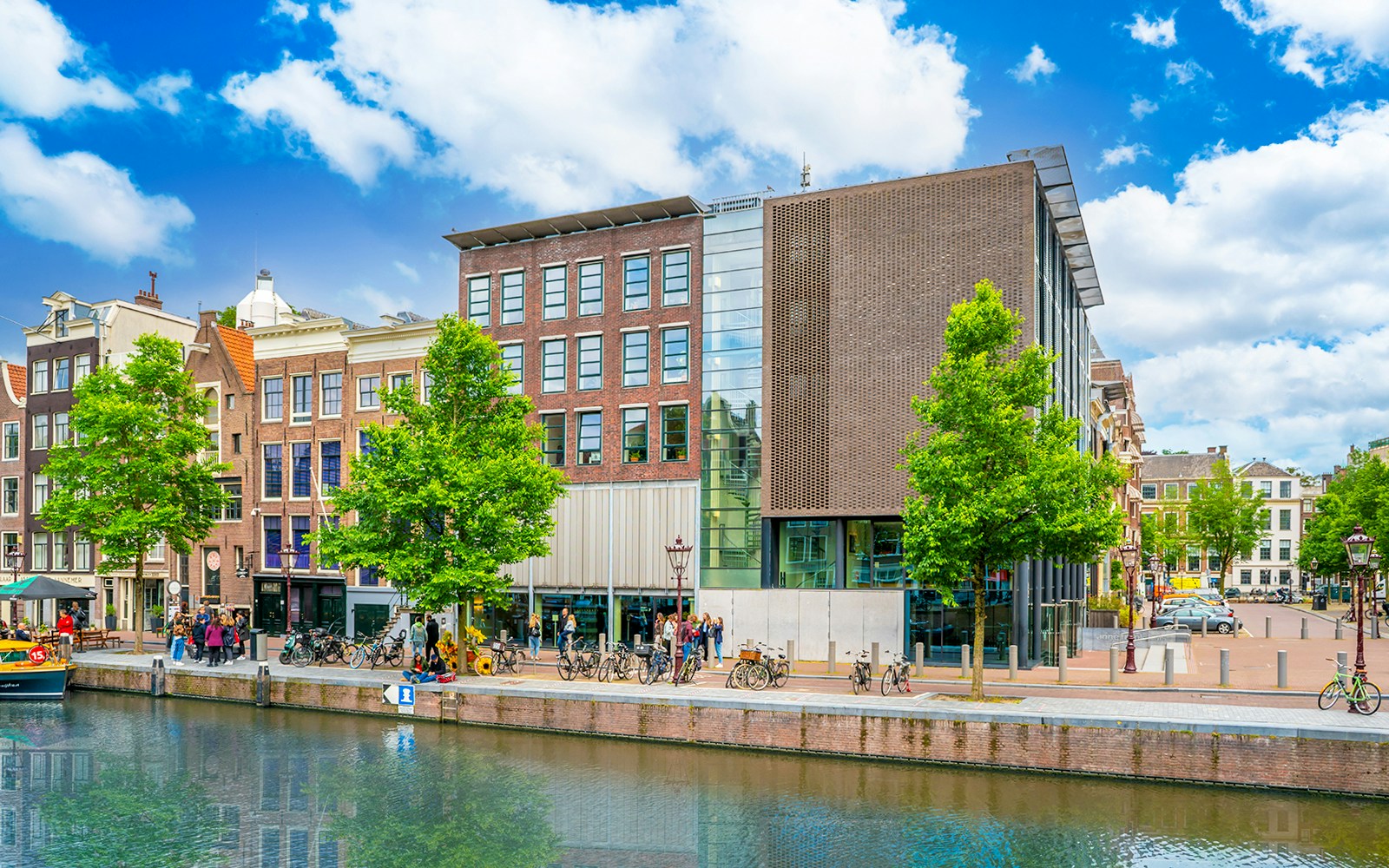
Anne Frank House
One of Amsterdam's most visited museums and a powerful reminder of the city's wartime history.

Know before you go
- Most Prinsengracht canal cruises operate daily between 9am and 10pm.
- During the Amsterdam Light Festival and special seasonal events, evening departures may continue until 11pm.
- Prinsengracht runs through the heart of Amsterdam's Canal Ring and can be reached easily from Centraal Station, Dam Square, Leidseplein, and Rijksmuseum.
- Most canal cruise operators offer departures from docks near Centraal Station, Damrak, or the Museum District.
- Dress in layers: Amsterdam's weather can shift throughout the day, making layered clothing the most practical option.
- Bring a waterproof jacket: Light rain is common year-round and can arrive unexpectedly.
- Prepare for cooler evenings: Temperatures beside the water often feel cooler after sunset, particularly on open-air boats.
- Wear comfortable footwear: Canal-side streets and bridge approaches may be uneven or slippery after rainfall.
- Check accessibility before booking: Facilities vary between operators, so confirm accessibility arrangements in advance if required.
- Modern sightseeing boats offer easier boarding: Many larger sightseeing vessels provide more accessible entry points than traditional boats.
- Historic vessels may involve steps: Traditional saloon boats often require passengers to navigate narrow entrances and stairways.
- Request assistance in advance: Many operators can arrange boarding support when notified before departure.
Visitor tips
- Choose a route through Jordaan: Some cruises spend more time within the central canal ring, while others follow Prinsengracht through the heart of Jordaan.
- Look for houseboat details: Watch for rooftop gardens, waterside terraces, bicycles, and creative designs that reveal life on the canal.
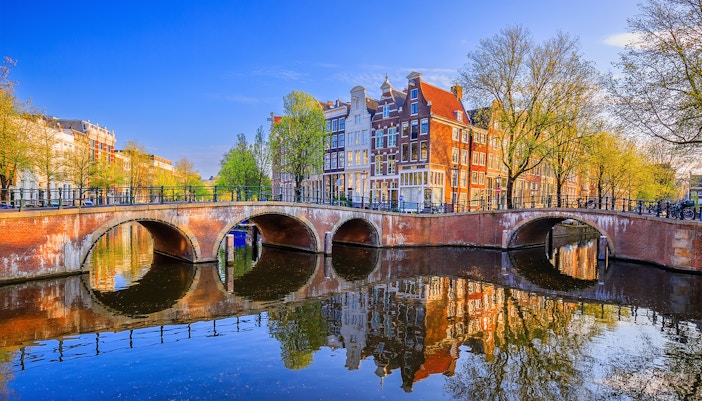
- Bring a camera for bridge views: Prinsengracht contains some of Amsterdam's most photogenic bridges, canal bends, and waterfront scenes.
- Visit Noordermarkt on market days: Combining a canal cruise with a visit to the nearby market offers additional insight into local life.
- Stay for sunset: The combination of illuminated bridges, church towers, and reflections creates some of the canal's most memorable views.
- Watch for architectural details: Look for hoisting beams, decorative gables, carved stonework, and historic warehouse features that reveal the canal's trading past.
Frequently asked questions about Prinsengracht
The canal was named after Prince William of Orange, a key figure in Dutch history and the Dutch Revolt.
Yes. Prinsengracht forms an important part of Amsterdam's UNESCO-listed Canal Ring.
Prinsengracht is the longest of the four main canals that make up Amsterdam's historic Canal Ring.
Yes. Most cruises passing along Prinsengracht provide views of the Anne Frank House façade from the water.
Prinsengracht is more residential and culturally diverse, with houseboats, markets, churches, and local neighbourhoods playing a prominent role.
Yes. The Houseboat Museum allows visitors to explore a traditional canal houseboat interior.
The Prinsengrachtconcert is an annual classical music event held on a floating stage on the canal, typically in August.
Both offer different perspectives. A cruise highlights the canal's overall character, while walking allows closer exploration of its architecture and neighbourhoods.
Absolutely. Illuminated bridges, reflections, and quieter waterways create one of Amsterdam's most atmospheric evening settings.
Open-air boats and smaller electric vessels typically provide the clearest views and best photography opportunities.
Most canal cruises cover Prinsengracht within 60 to 90 minutes, though exploring the area on foot can easily take several hours.
Yes. Historic bridges, canal houses, houseboats, churches, and reflections make it one of Amsterdam's best photography locations.
Smoking is strictly prohibited on almost all commercial canal boats navigating the Prinsengracht canal to ensure the comfort and safety of all passengers.