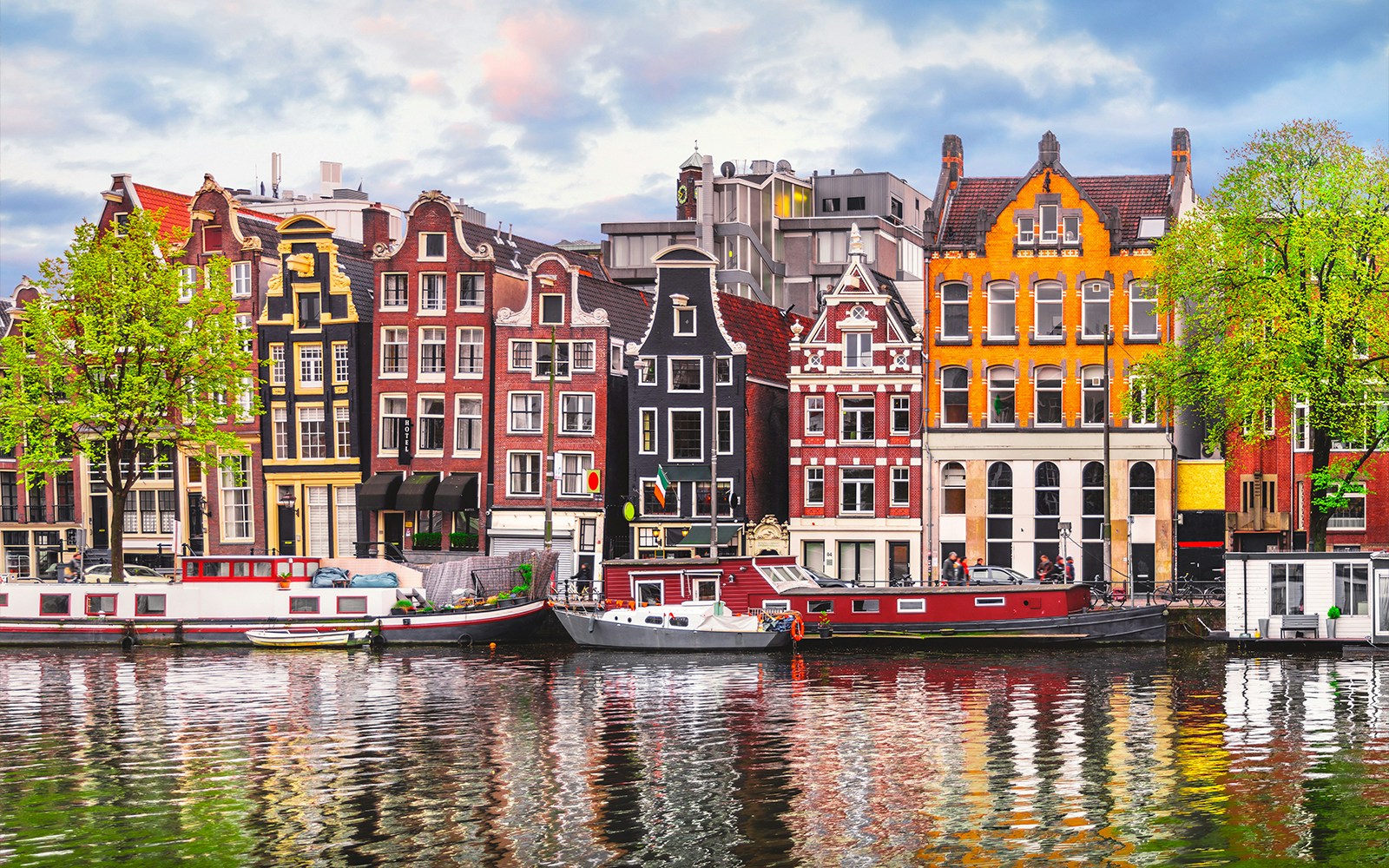
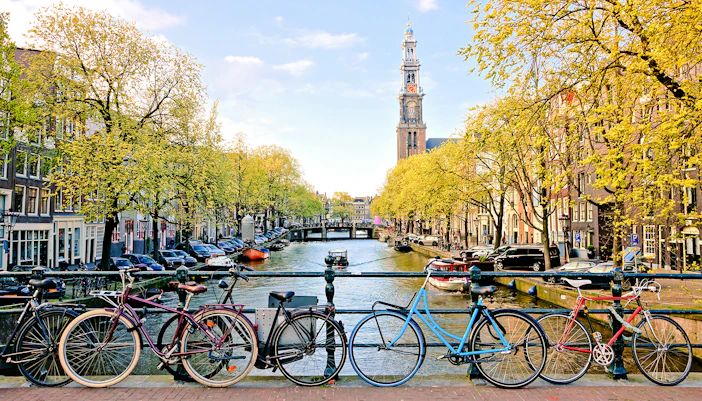
- Strategic route planning: The most popular Amsterdam canal cruise routes cover the four main canals of the Grachtengordel: Singel, Herengracht, Keizersgracht, and Prinsengracht. This way, you can ensure you pass historic landmarks like the Westerkerk and the "Dancing Houses" without getting lost in the city's labyrinth of 1,500 bridges.
- Minimal effort, maximum views: There is virtually no walking required while cruising; simply relax in a glass-topped boat or on an open-air "sloop." The only required walking is to and from the docks, which are conveniently located near major transit hubs.
- Onboard comfort: Modern vessels frequently include climate control for winter and retractable roofs for summer. Many premium tours even offer licensed bars and snack services, allowing you to enjoy a drink while you study your Amsterdam canal cruise map .
- The best stops: Key boarding points for sightseeing include the Anne Frank House (Prinsengracht), the Rijksmuseum (Museum District), and the Skinny Bridge (Amstel River). Using the Amsterdam canal cruise map helps you choose a tour that connects these prime locations, effectively serving as your scenic shuttle through the heart of the city.
Explore the historic UNESCO ring with a handy Amsterdam canal cruise map
Planning your journey along Amsterdam’s historic 17th-century waterways requires understanding its intricate canal ring and key boarding points. This comprehensive guide and Amsterdam canal cruise map breaks down the major zones and piers along the UNESCO-listed belt, from the bustling Central Station to the cultural Museum District, ensuring you capture every vital sight.
Navigating your way around the Amsterdam canals
Use the Amsterdam canal cruise map for your journey for the most efficient way to navigate the city's iconic UNESCO-listed waterways. Unlike walking or cycling through the busy, narrow streets, an Amsterdam canal cruise minimises physical exertion while maximising your viewing potential of the "Venice of the North."
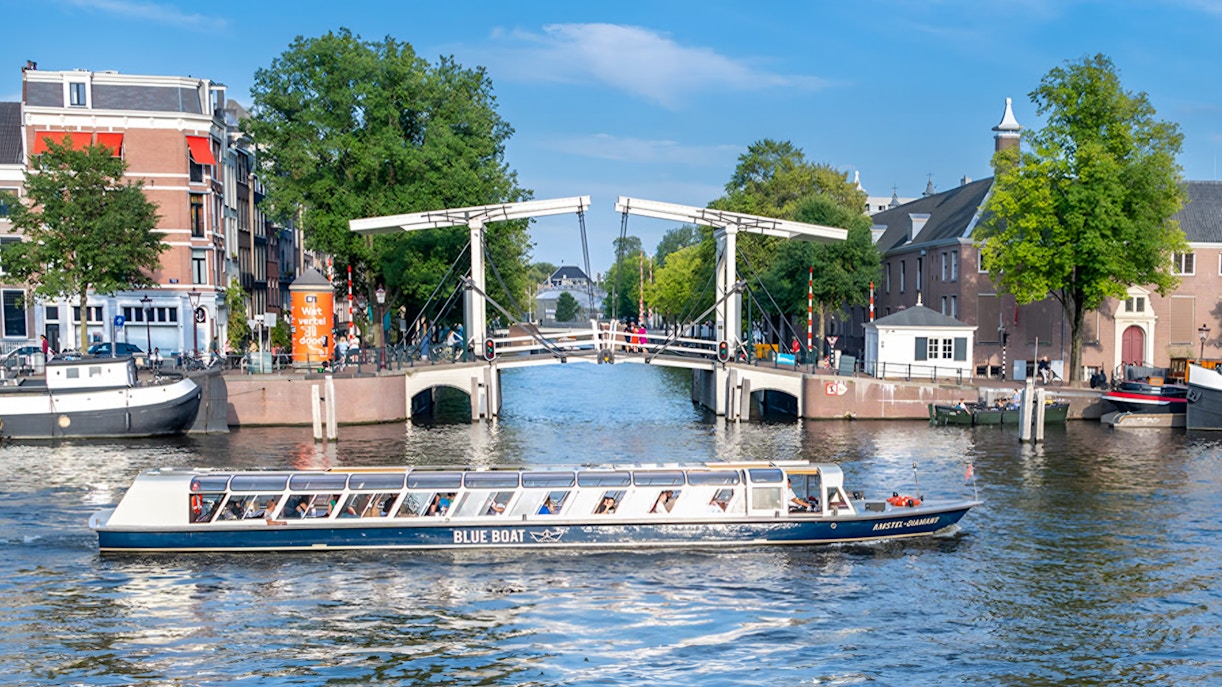
Understanding Amsterdam's canal ring
Before following an Amsterdam canal cruise map, it helps to understand the waterways that form the city's famous canal belt. Most sightseeing routes travel through some or all of these historic canals.
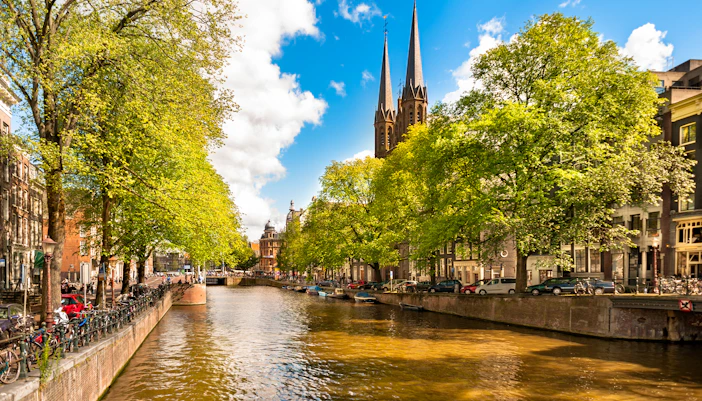
Singel
Originally constructed as Amsterdam's medieval defensive moat, the Singel forms the innermost canal of the historic centre. Today, it is best known for the floating Bloemenmarkt, elegant canal houses, and its important role in the city's development.
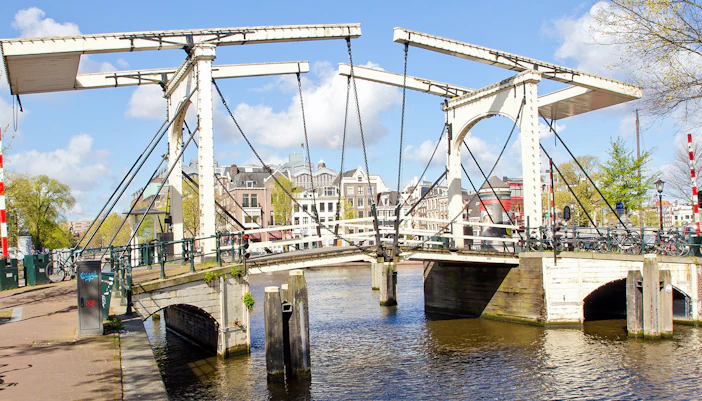
Herengracht
Often called the "Gentlemen's Canal", Herengracht was once home to Amsterdam's most influential merchants and regents. The canal is famous for the Golden Bend, where some of the city's grandest and most prestigious residences stand.
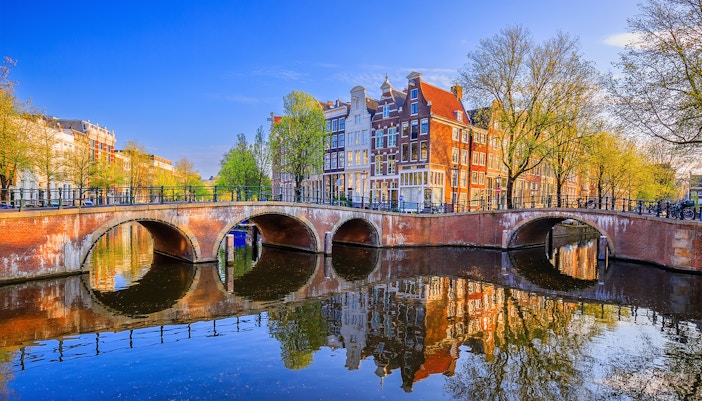
Keizersgracht
Named after Emperor Maximilian I, Keizersgracht is the widest of Amsterdam's three principal canals. Its broad waters are lined with stately canal houses, historic warehouses, elegant bridges, and several notable landmarks from the Dutch Golden Age.
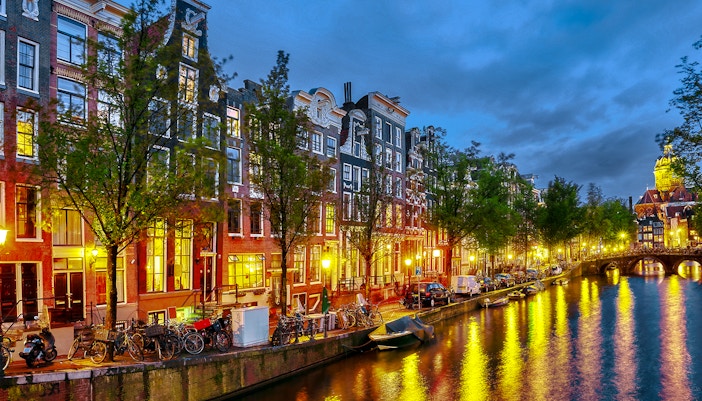
Prinsengracht
As Amsterdam's longest and most well-known canal, Prinsengracht passes many of the city's most visited attractions. Highlights include the Anne Frank House, Westerkerk, charming houseboats, and picturesque stretches of historic canal-side architecture.

Amstel River
Flowing through the centre of Amsterdam, the Amstel River connects the canal belt with other parts of the city. Along its banks, visitors can spot landmarks such as the Skinny Bridge, Amstel Hotel, and historic waterfront buildings.
Amsterdam canal cruise map
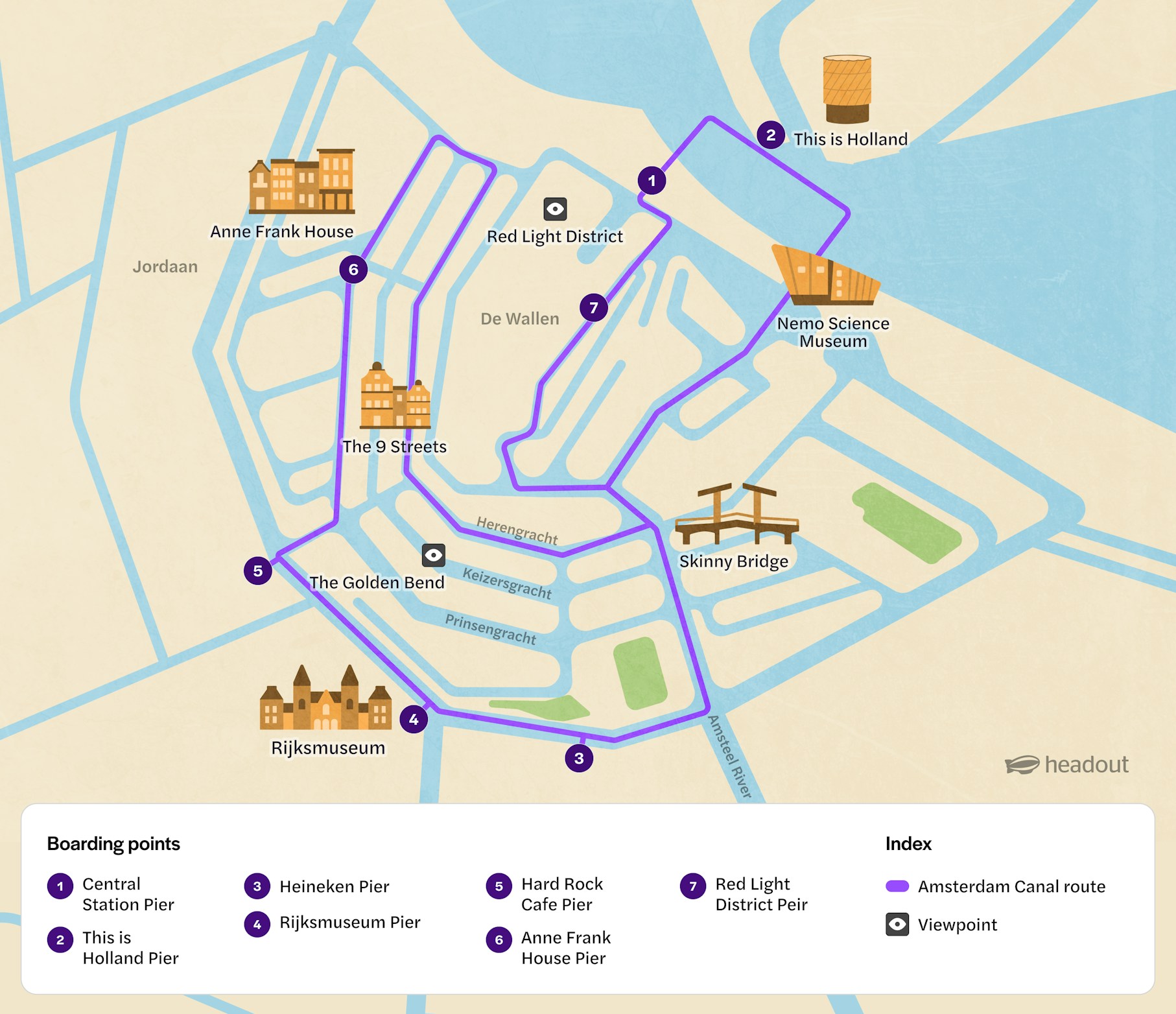
Interactive map
Must-see highlights on your Amsterdam canal cruise
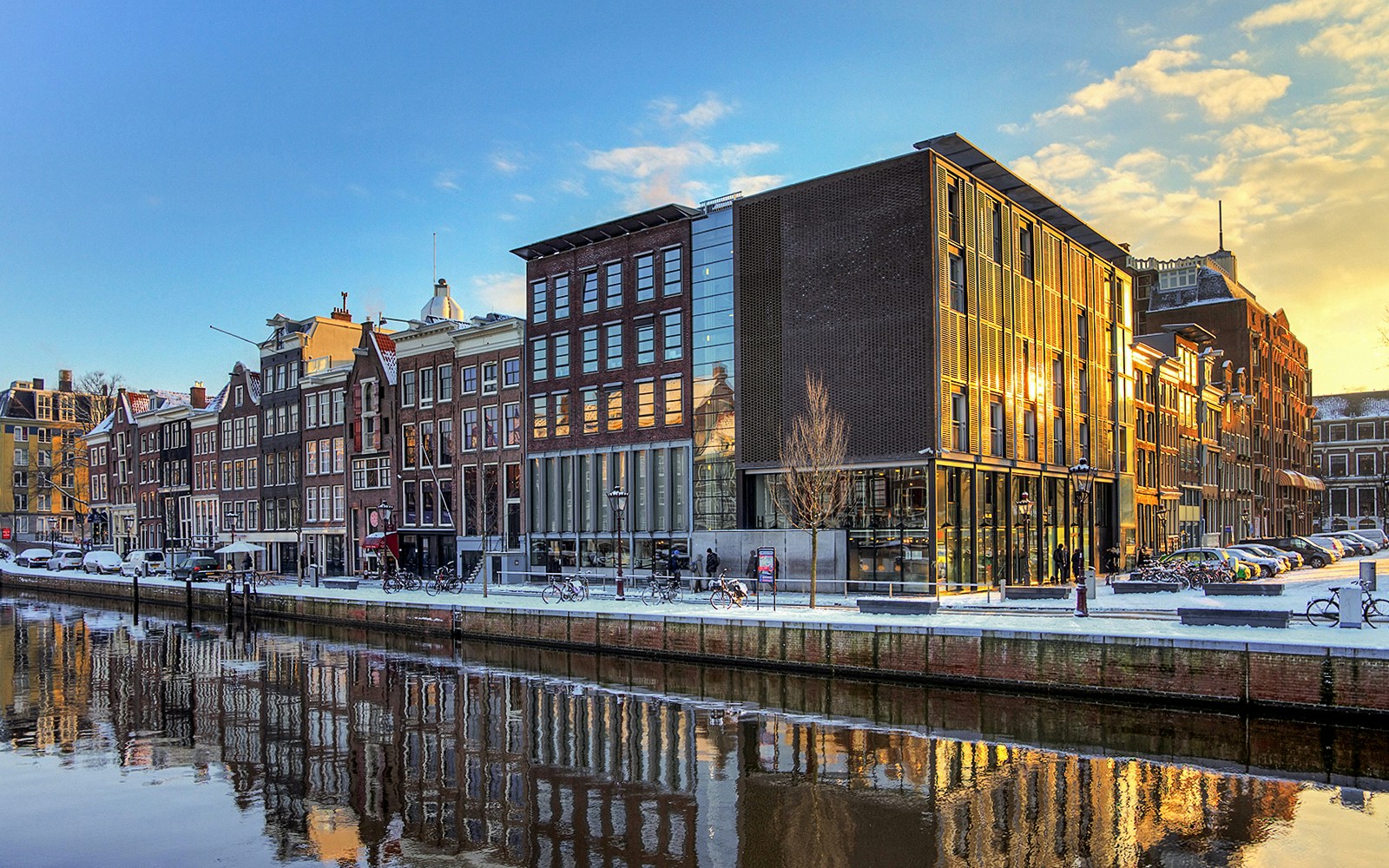
The Anne Frank House
Located on the Prinsengracht, this sombre and significant historic site is a focal point on any Amsterdam canal cruise. It is where Anne Frank and her family hid during WWII.
-01.jpg?auto=compress%2Cformat&q=90&crop=faces&fit=crop)
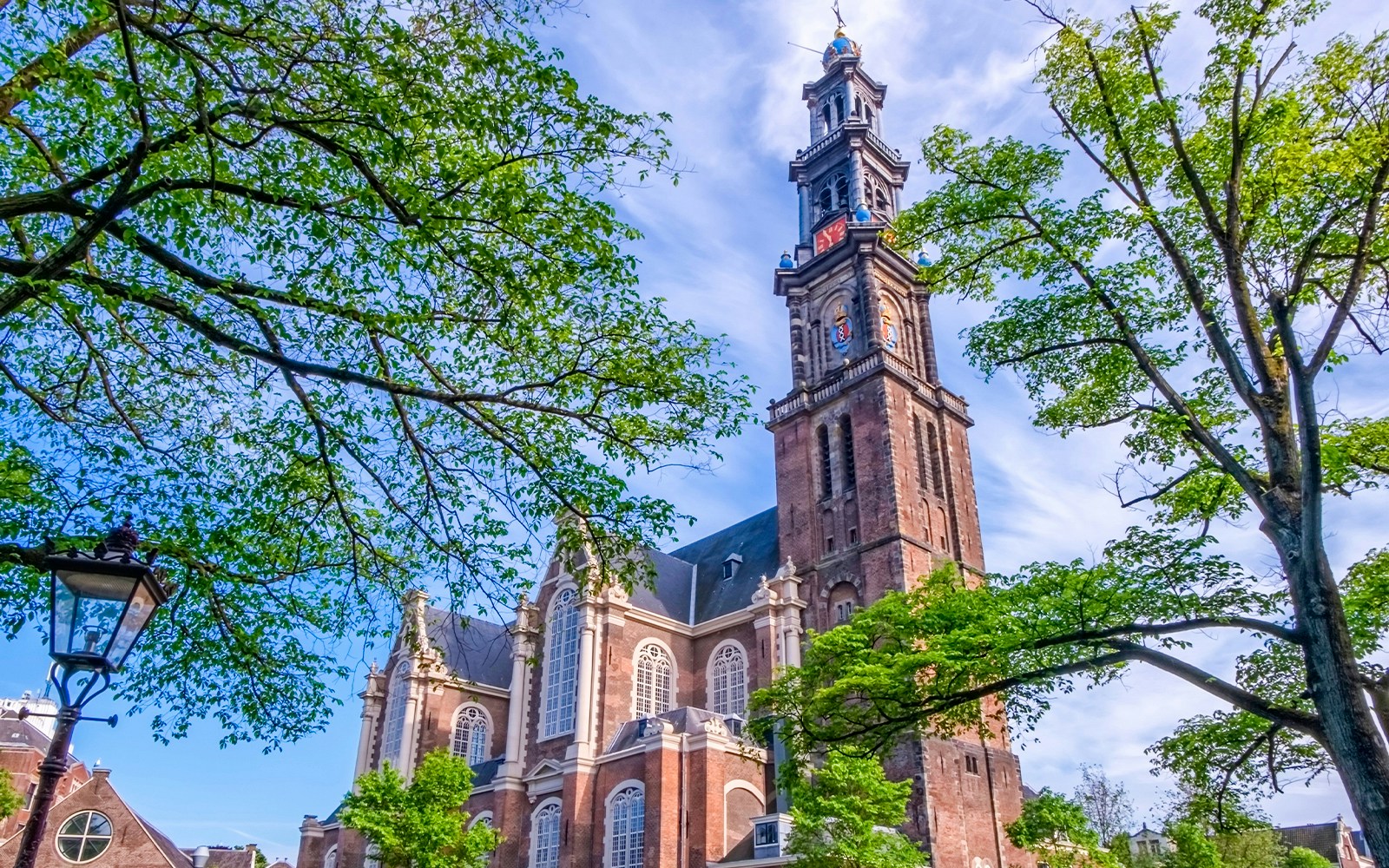
Neighbourhoods visible from the canal
An Amsterdam canal cruise offers more than landmark views. It also provides a unique perspective of the city's distinct neighbourhoods, each with its own atmosphere and architectural character.
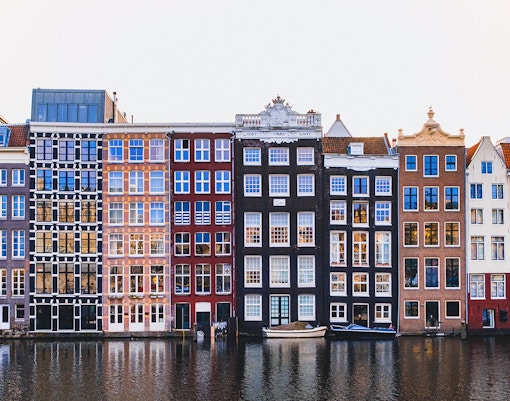
Jordaan
Originally a working-class district, Jordaan is now known for its narrow canals, independent boutiques, hidden courtyards, and picturesque canal houses.
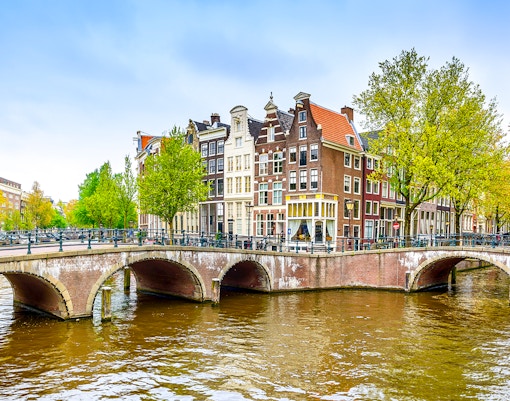
Canal Belt (Grachtengordel)
This UNESCO-listed district forms the historic heart of Amsterdam. Grand merchant residences, elegant bridges, and tree-lined waterways define the area.
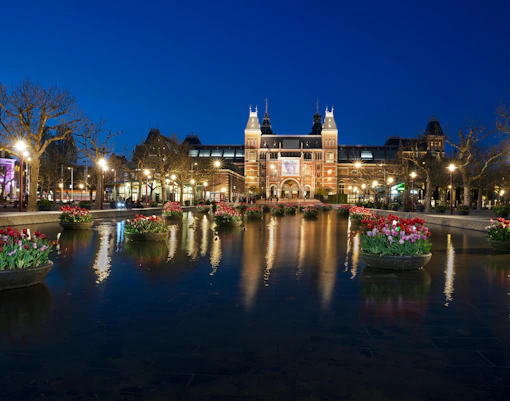
Museum Quarter
Located around Museumplein, this cultural district is home to several major museums and some of the city's busiest canal cruise departure points.
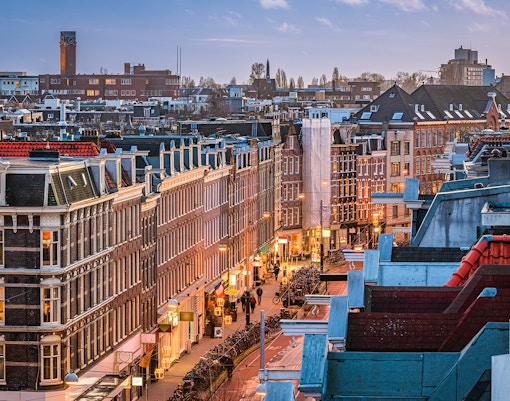
De Pijp
A lively neighbourhood south of the canal belt, De Pijp is known for its cafés, local markets, and vibrant atmosphere.
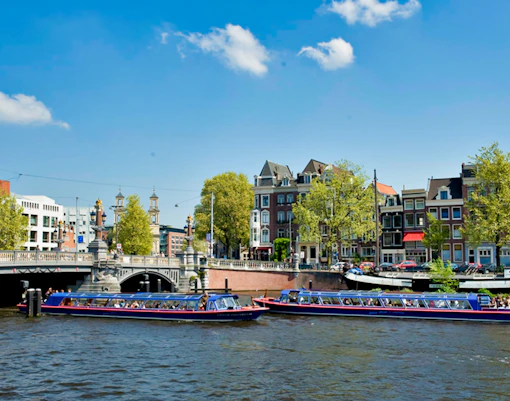
Amsterdam North
Across the IJ River, Amsterdam North showcases a more contemporary side of the city, featuring modern architecture, creative hubs, and waterfront developments.
Best departure point for different travellers
With several boarding locations marked on the Amsterdam canal cruise map, choosing the right departure point can make your visit more convenient.
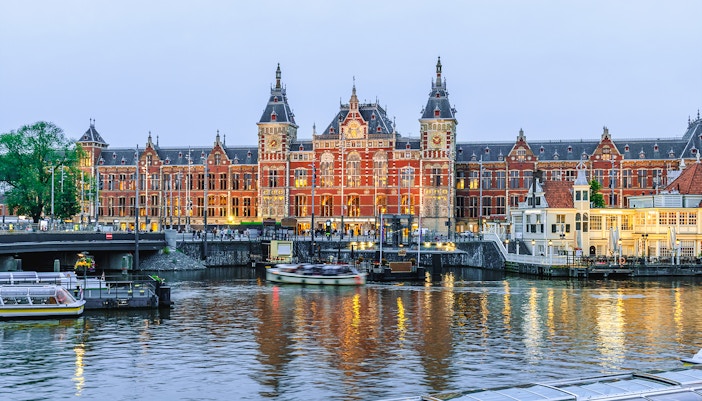
For first-time visitors
Centraal Station departures provide easy access to the UNESCO-listed canal belt and many of Amsterdam's most famous landmarks. With frequent departures and excellent public transport connections, they are often the most convenient choice for first-time visitors.
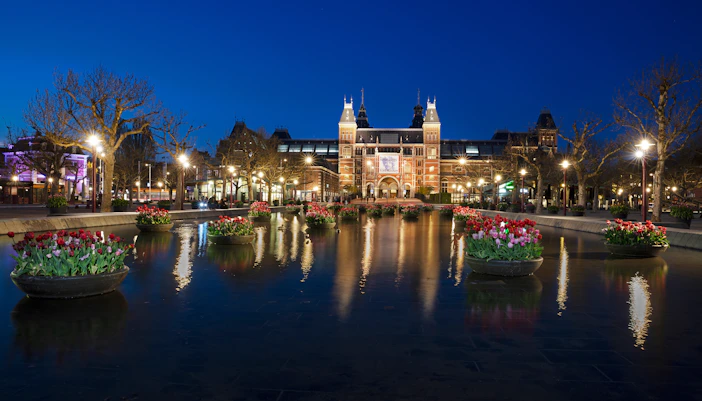
For museum lovers
Rijksmuseum and Museumplein departure points allow visitors to combine a canal cruise with some of Amsterdam's most celebrated cultural attractions. Several major museums, galleries, and green public spaces are located within a short walking distance.
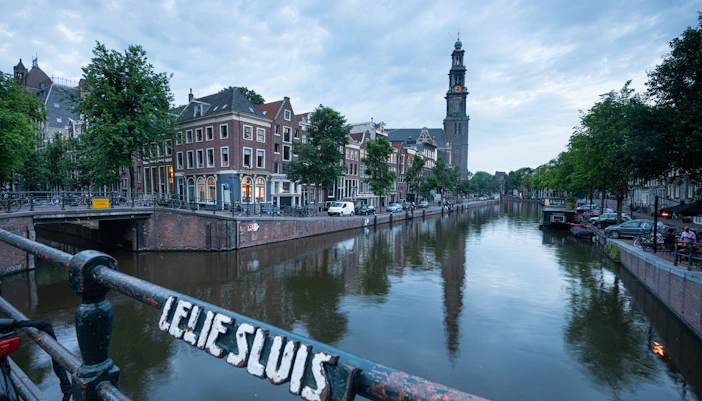
For photographers
Departures near the Anne Frank House and Jordaan offer access to narrower waterways, historic bridges, and charming canal houses. These routes often provide some of the city's most picturesque views and excellent opportunities for photography.
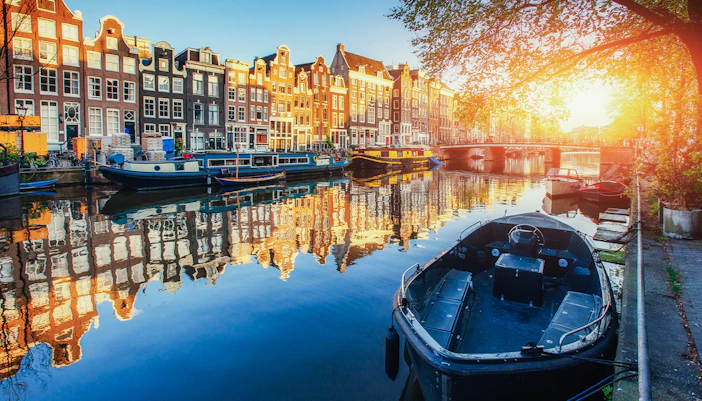
For evening cruises
Leidseplein and Centraal Station are popular starting points for sunset and evening cruises. Their central locations provide easy access to illuminated canals, lively waterfront areas, and a wide range of after-dark cruise options.
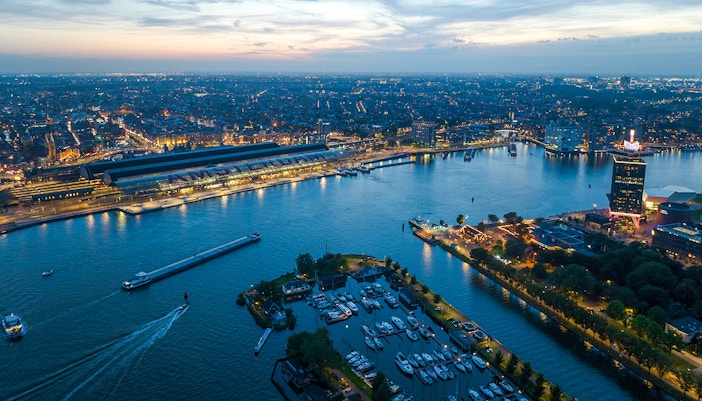
For visitors staying in Amsterdam North
IJ River departures provide convenient access to Amsterdam's modern waterfront district. These routes often showcase contemporary architecture, creative neighbourhoods, and landmarks such as A'DAM Lookout and EYE Film Institute.
For visitors with limited time
Centraal Station departures are ideal for travellers on a tight schedule. Located near Amsterdam's main transport hub, they offer frequent sailings, quick access to major landmarks, and convenient onward connections across the city.
Visitor facilities for your Amsterdam canal cruise
To ensure a seamless experience, familiarise yourself with the onboard and pier-side amenities. While most vessels offer standard comforts, specific accessibility and pet policies vary by operator. Use your Amsterdam canal cruise map to locate the docks with the facilities that best suit your needs.
- Restrooms/Toilets: Most large, glass-topped sightseeing vessels are equipped with compact onboard toilet facilities. However, smaller open boats and certain boutique "sloepen" typically do not have restrooms. It is recommended to use the facilities at major departure hubs like Central Station or near the Rijksmuseum before boarding.
- Accessibility and wheelchair access: Blue Boat Company is the only operator in Amsterdam currently offering wheelchair-accessible boats equipped with hydraulic lifts. These specific departures typically leave from their dock at Stadhouderskade 501 (opposite the Hard Rock Cafe). It is essential to call 24 hours in advance to confirm the departure time of an accessible vessel.
- Seating and climate control: Standard canal boats feature heated indoor saloons with panoramic glass roofs, making them a perfect weather-proof activity. Many luxury cruises also provide blankets for passengers sitting in the aft (rear) open-air decks.
- Audio and live commentary: Multilingual audio guides are a staple on almost all cruises, often available in 19+ languages. Operators like LOVERS and Stromma provide complimentary earphones, though using your own is often encouraged for better sound quality. Some premium cruises also offer live English commentary from a knowledgeable skipper.
- Onboard bar and refreshments: Many evening and luxury cruises feature a well-stocked bar serving Dutch cheese, wine, beer, and soft drinks. For daytime sightseeing, some operators offer "snack boxes" that you can purchase at the ticket office before heading to the boarding point.
- Pushchairs and buggies: Due to limited space on narrow canal boats, full-sized strollers are generally not allowed onboard. Most operators require pushchairs to be folded and left securely at the dock or ticket office before boarding.
- Guide and assistance dogs: Registered assistance dogs are welcome aboard most major Amsterdam canal cruise services free of charge.
- Dogs and pets: While most large commercial cruises only allow registered service dogs, some boutique operators like Flagship or Friendship may allow well-behaved small dogs on a lead. Always check your specific operator's policy to avoid being turned away at the dock.
- Free Wi-Fi: Many modern electric boats now offer free onboard Wi-Fi, allowing you to follow your progress live on a digital Amsterdam canal cruise map or share photos of the "Seven Bridges" in real-time.
Best photo locations along the route
Many of Amsterdam's most photographed views can only be fully appreciated from the water. Use your Amsterdam canal cruise map to identify these popular photography locations.
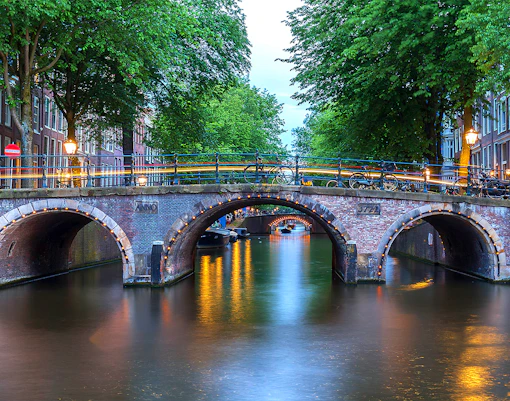
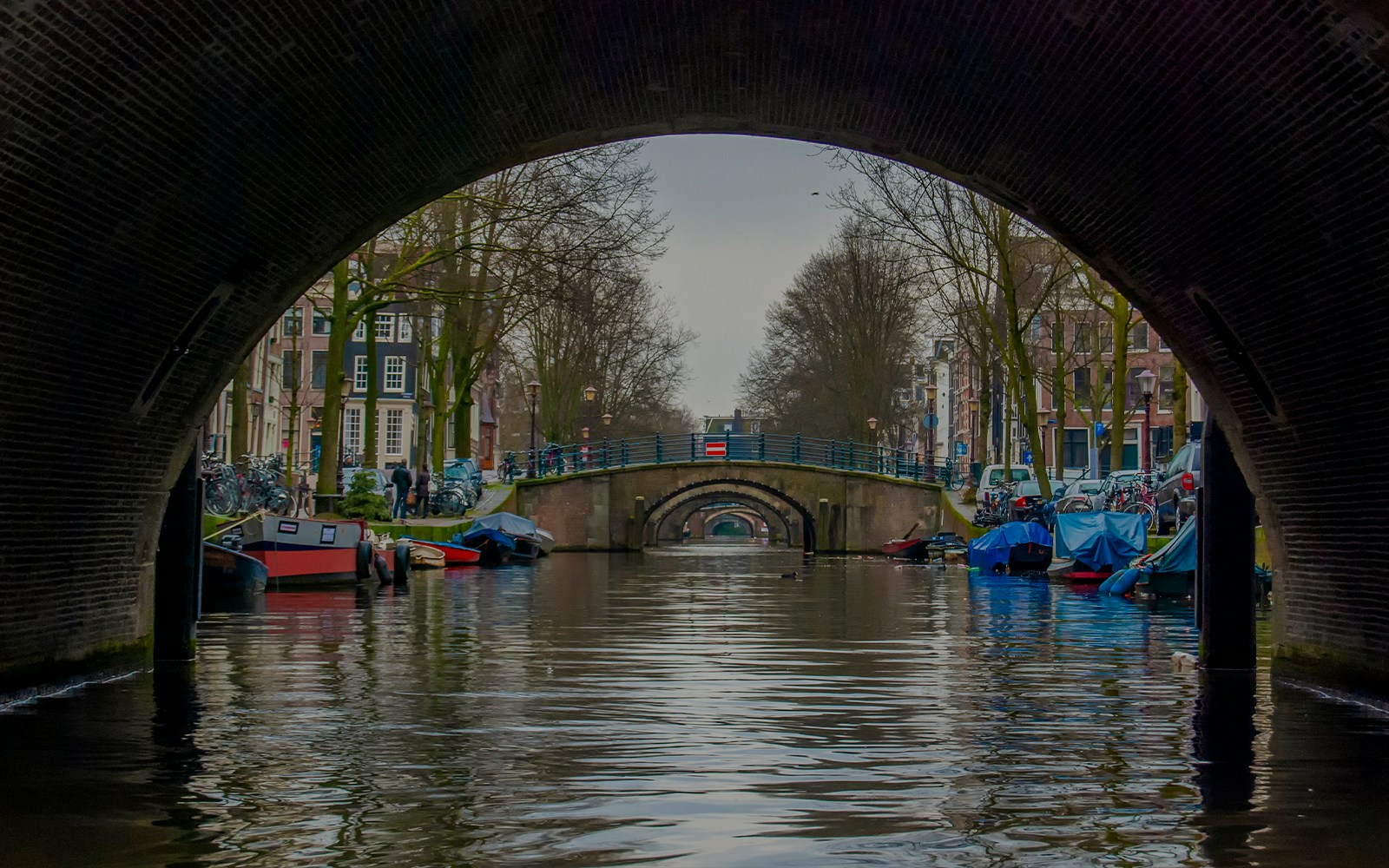
Seven Bridges viewpoint
One of the city's most iconic canal views, this perspective reveals seven historic bridges aligned in a single sightline along the Reguliersgracht.
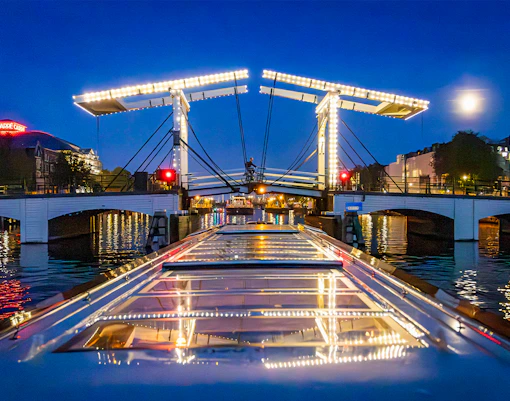
Skinny Bridge
The illuminated wooden drawbridge over the Amstel River is particularly striking during evening cruises and after sunset.
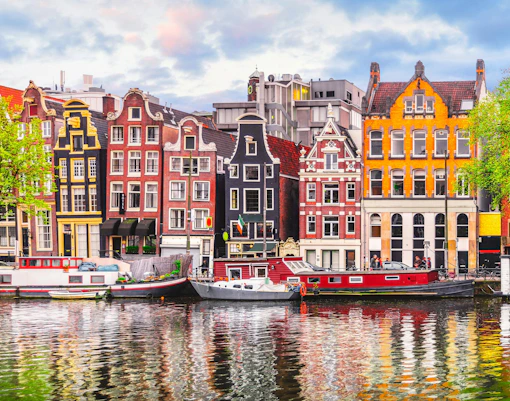
Dancing Houses
These slightly leaning canal houses near Damrak are among Amsterdam's most recognisable architectural sights and a favourite subject for photographers.
Golden Bend
This section of the Herengracht features some of the grandest canal mansions in the city and provides excellent opportunities for architectural photography.
Tips for your Amsterdam canal cruise visit
- Target the Seven Bridges alignment: To capture the iconic shot of seven arched bridges in a perfect row, look at your Amsterdam canal cruise map for the intersection of Reguliersgracht and Herengracht. Sit on the right side (starboard) of the boat when entering from the Amstel River, and don't be afraid to ask your skipper to pause briefly for the perfect symmetrical photo.
- Optimise for the Blue Hour: While daytime is great for architecture, the city is most magical at dusk. Check your Amsterdam canal cruise map and book a departure for approximately 20 minutes before sunset. This allows you to see the historic gables in daylight and witness the bridges illuminate as you finish your loop, providing two distinct experiences in one trip.
- Exchange vouchers at the right hub: If you have an "I amsterdam City Card" or a general canal cruise voucher, you often cannot board directly. You must first go to a major operator's ticket office (usually at Central Station or Leidseplein) to scan your digital code for a specific time-slotted ticket. Keep your Amsterdam canal cruise map handy to find the nearest authorised ticket booth to your location.
- Winter festival route adjustments: From late November to mid-January, the Amsterdam Light Festival takes over. Be aware that the Amsterdam canal cruise route for these evening cruises follows a specific, restricted route to showcase the light installations. If you want a traditional historic tour during this time, make sure to book a standard cruise before 4:30pm.
- Choose your boat style wisely: Large glass-topped boats are perfect for rainy days and have heated interiors, but they can produce glare in photos. For the best unobstructed views of the gables and "dancing houses," look for operators offering "Open Boat" or "Sloop" tours; these smaller vessels can also navigate the narrower, more intimate canals that the big boats can't reach.
Frequently asked questions about the Amsterdam canal cruise map
No, routes vary depending on the boat size and the operator. Large glass-topped boats usually stick to the wider canals like the Herengracht and Prinsengracht, while smaller open boats can navigate the narrower, shallower channels of the Jordaan or Red Light District. Always check the Amsterdam canal cruise map provided by your operator to see which specific historic districts you will enter.
Not necessarily. The famous "Seven Bridges" view is located at the intersection of the Reguliersgracht and Herengracht. While most classic tours include this on their Amsterdam canal cruise route, some express tours or North Amsterdam routes may bypass it. If this is a priority, ensure your chosen Amsterdam canal cruise highlights the Reguliersgracht loop.
Yes, but you have to look closely at the Amsterdam canal cruise map near the Damrak and Oudezijds Voorburgwal. These iconic leaning houses are best viewed as the boat enters or exits the open water near Central Station. Most captains will slow down at this specific point to allow for photos of these gravity-defying structures.
Standard large-boat tours usually avoid the Red Light District because the canals there (Oudezijds Voorburgwal) are too narrow and shallow for glass-topped vessels. If you want a route that goes through the medieval centre, look for an Amsterdam canal cruise specifically designed for "Small Boat" or "Open Boat" tours, which have the manoeuvrability to navigate the city's oldest waterways.
Yes. During the Amsterdam Light Festival (typically December–January), operators follow a specific route that focuses on the Herengracht and the Amstel River, where the light installations are placed, rather than the standard historical loop used during the summer.
Significantly. During major city-wide events like King's Day (April 27) or the Canal Parade (August), many central canals are closed to commercial traffic or restricted to one-way "parade" routes. During these times, the standard Amsterdam canal cruise route is usually suspended in favour of event-specific security perimeters managed by the Waternet authorities.
Most cruises depart in a clockwise or counter-clockwise loop starting from the Centraal Station or Rijksmuseum hubs. Because Amsterdam’s canals are a "belt" (Grachtengordel), an Amsterdam canal cruise map will show you moving through the concentric circles of the city. Most boats sail on the right side of the canal, just like cars on Dutch roads.
Standard historical cruises usually stay within the 17th-century canal ring. However, specialised tours, such as the Pancake Boat or modern architecture tours, will show a route that crosses the IJ River to see the A'DAM Lookout and the EYE Film Institute.
Yes, if you choose a Hop-On Hop-Off service (like Amsterdam City Sightseeing), your Amsterdam canal cruise map will clearly mark specific piers near major landmarks like the Anne Frank House, Albert Cuyp Market, and Leidseplein. This allows you to use the Amsterdam canal cruise map as a navigational tool for your entire day of sightseeing.


