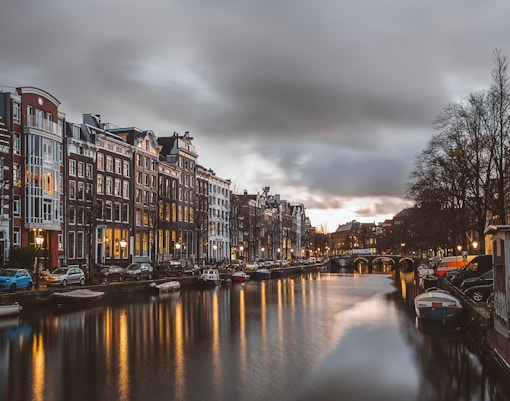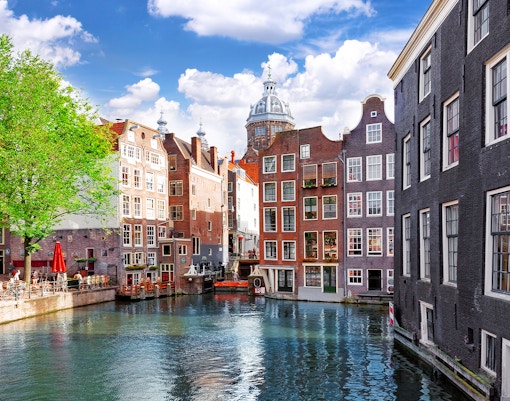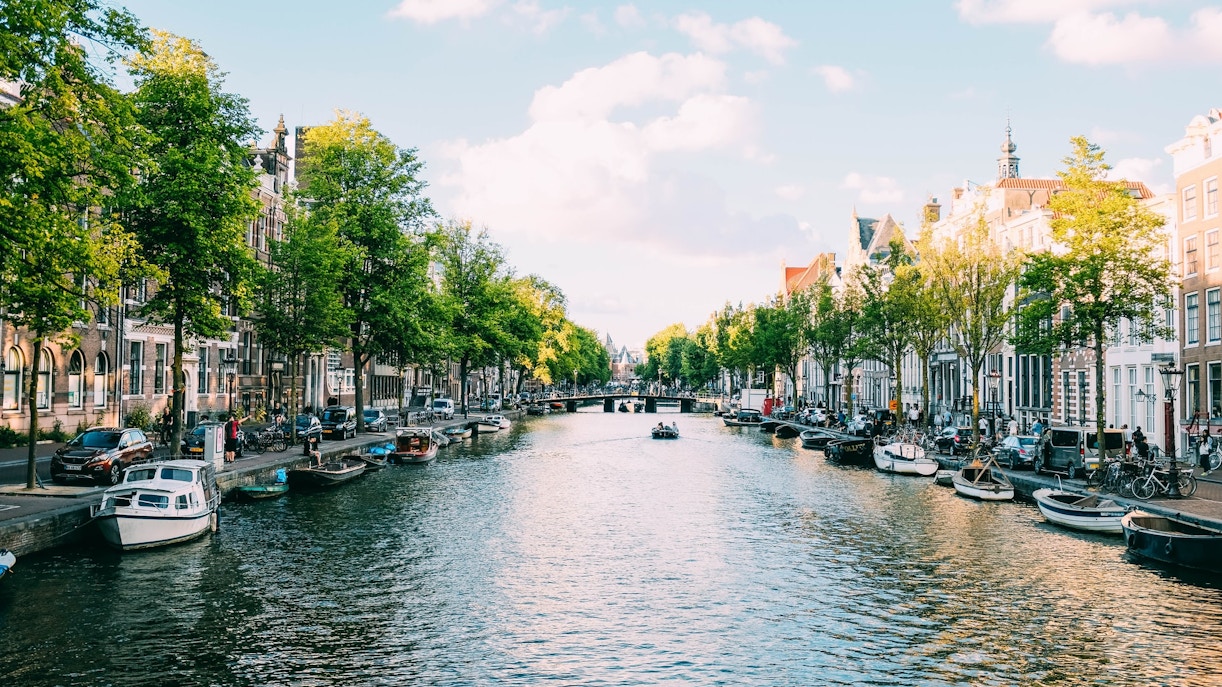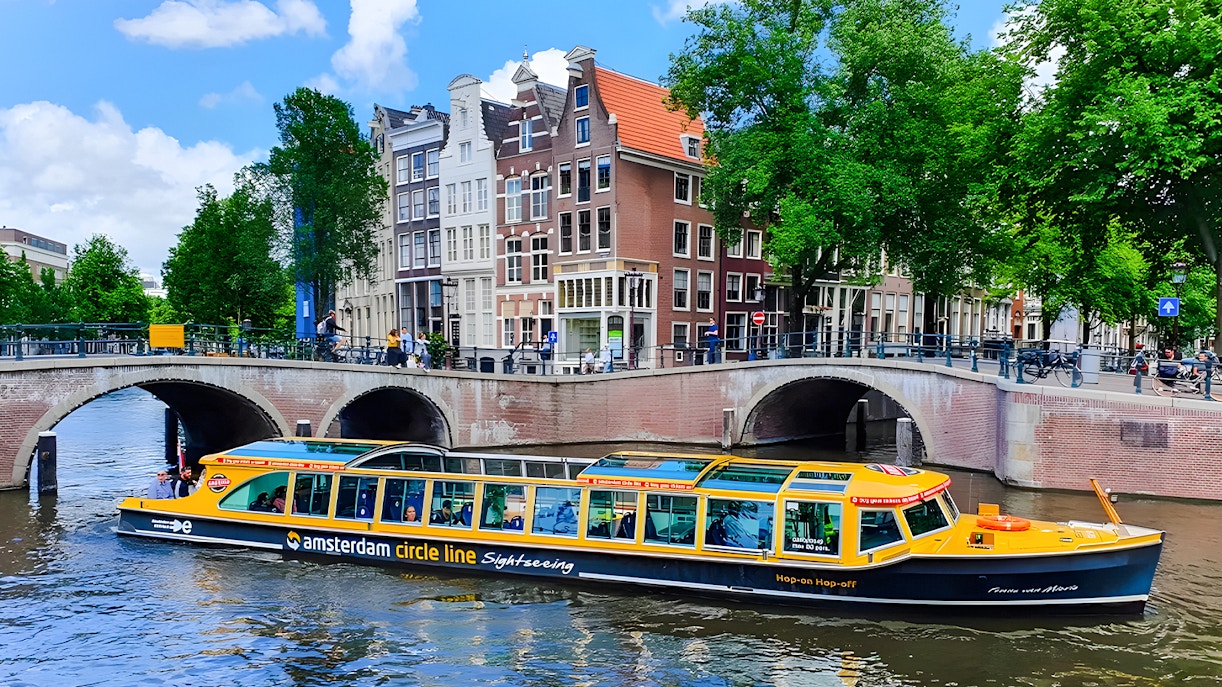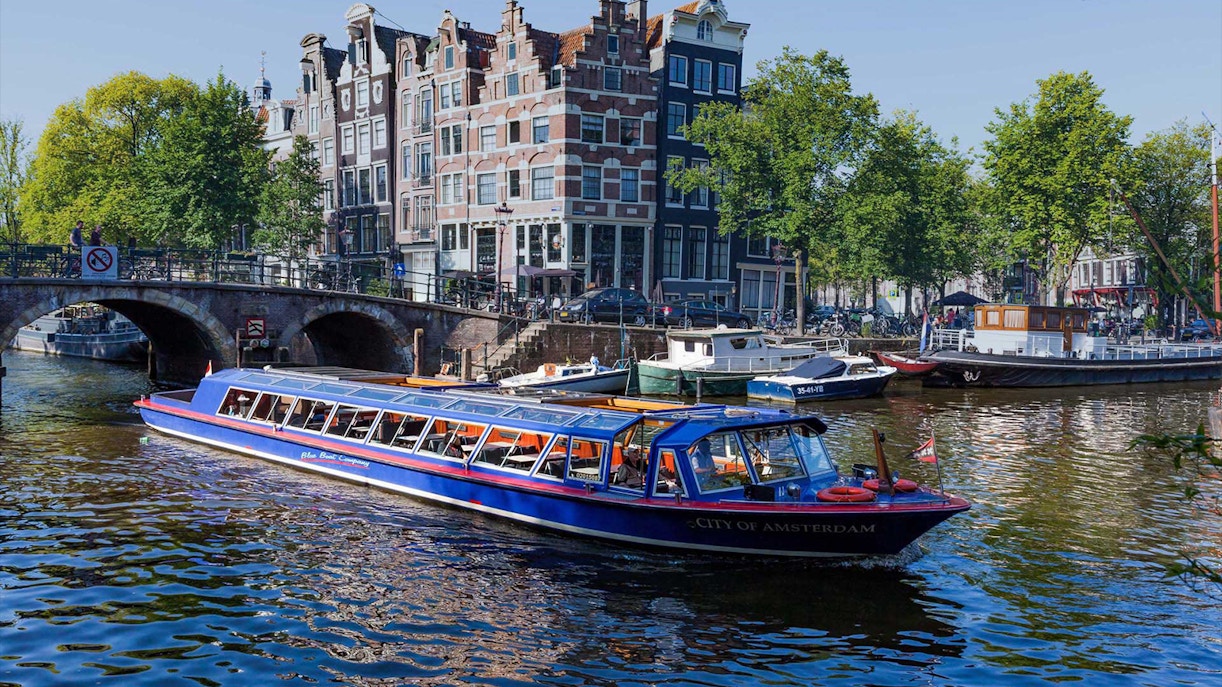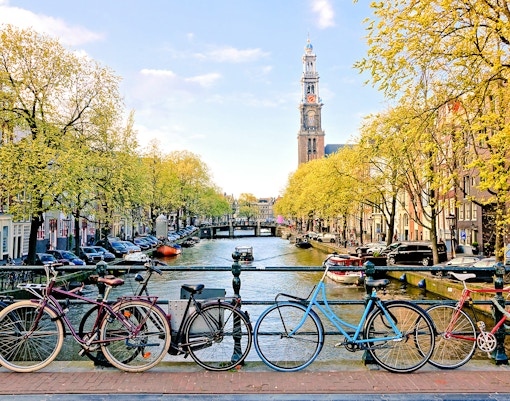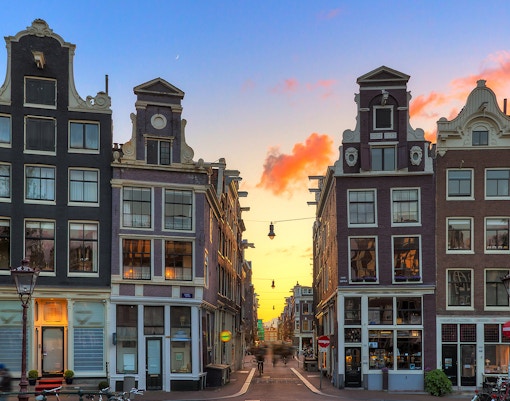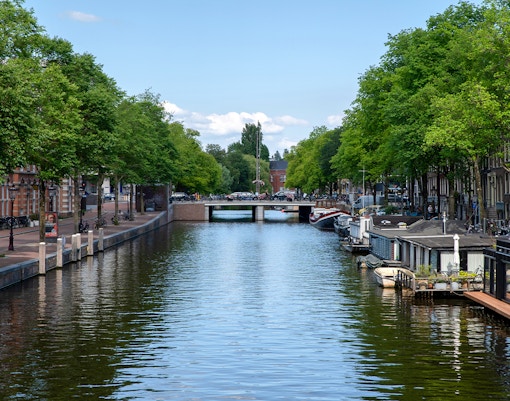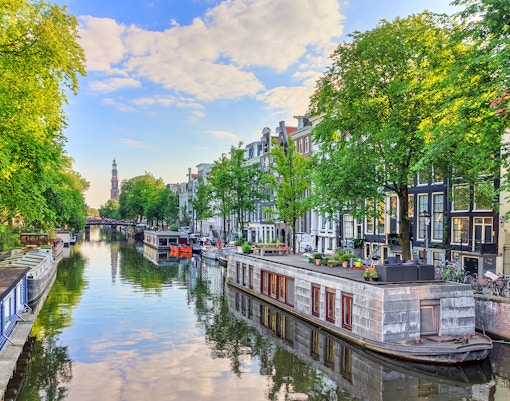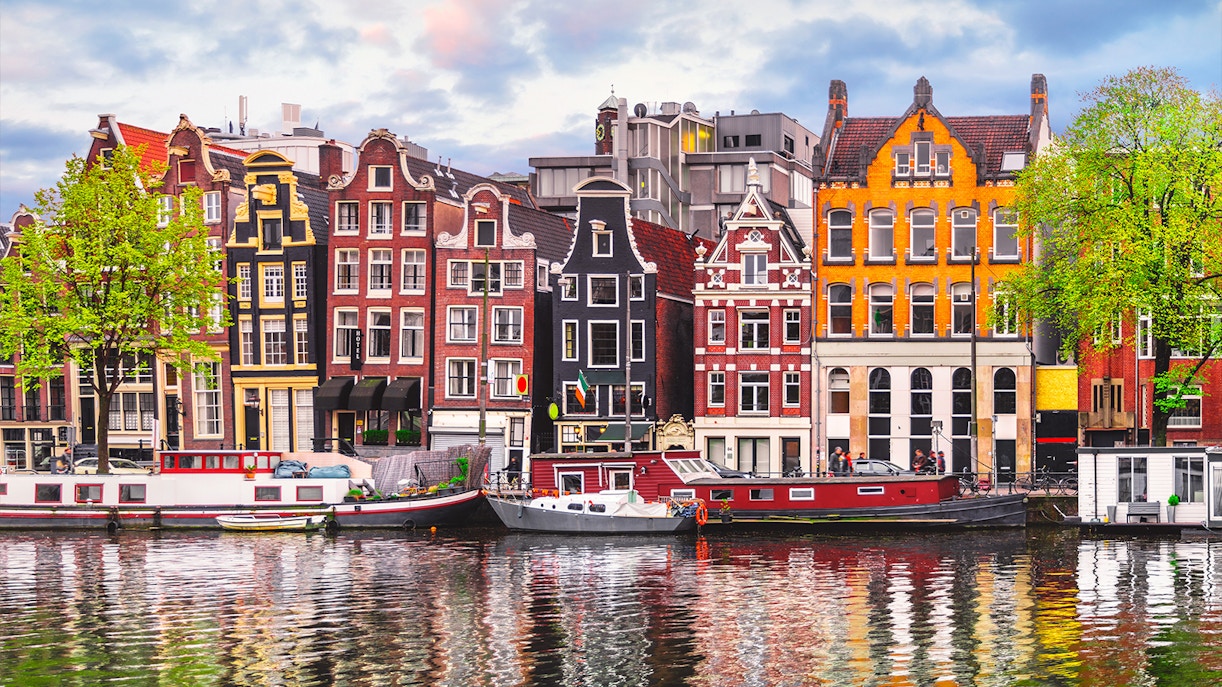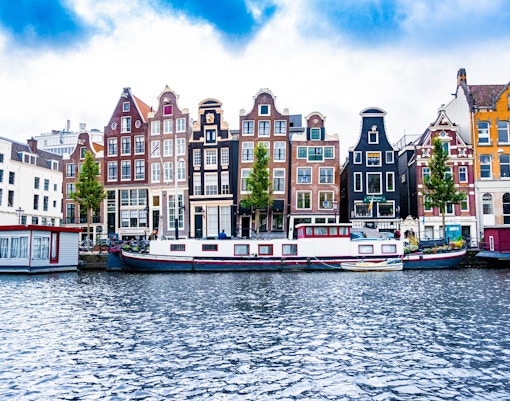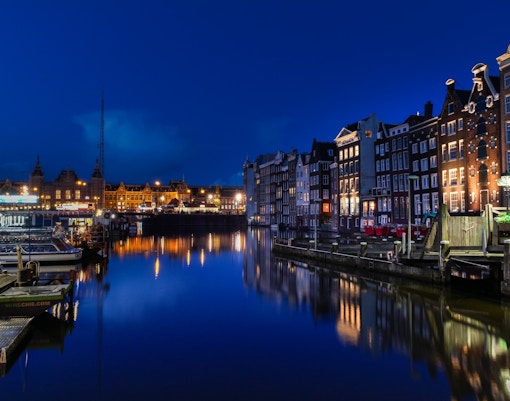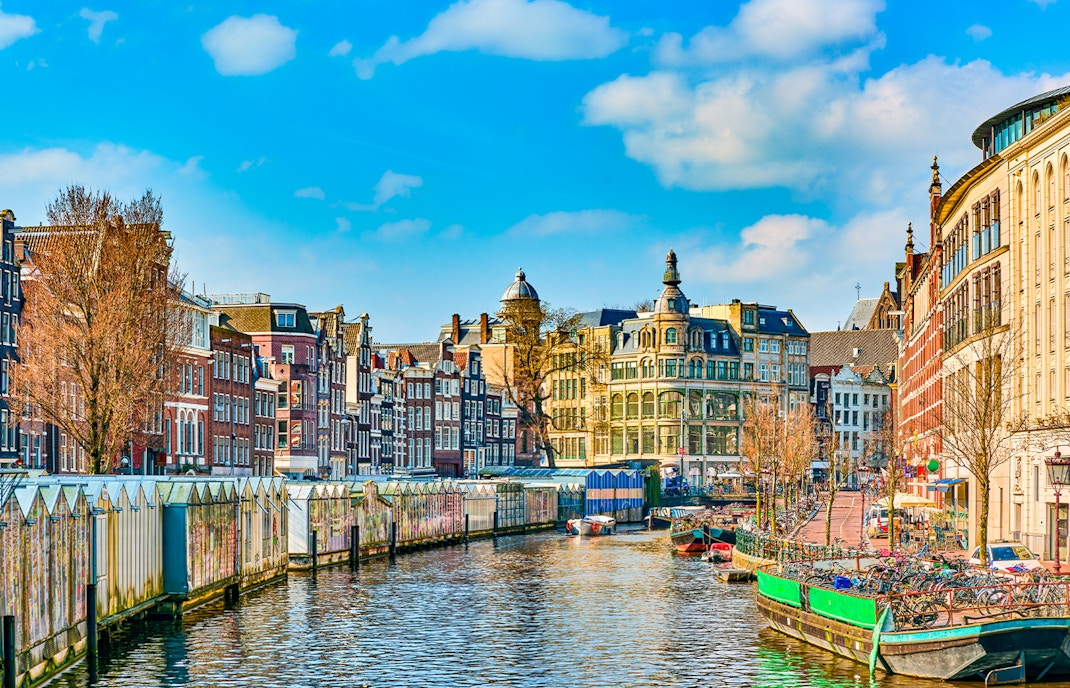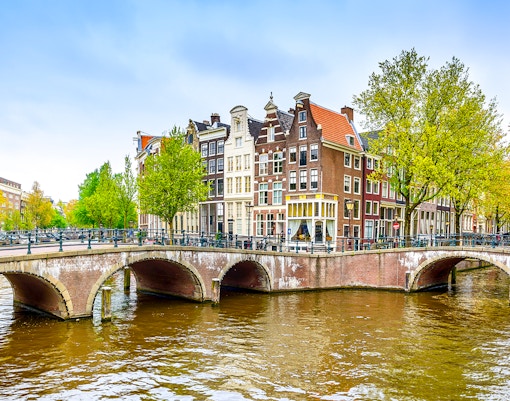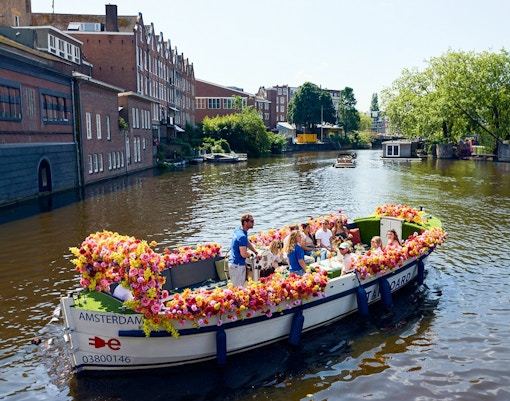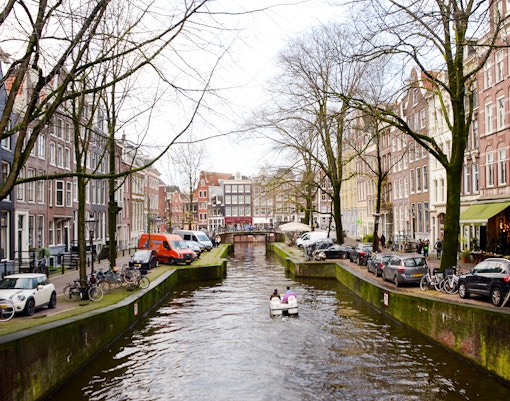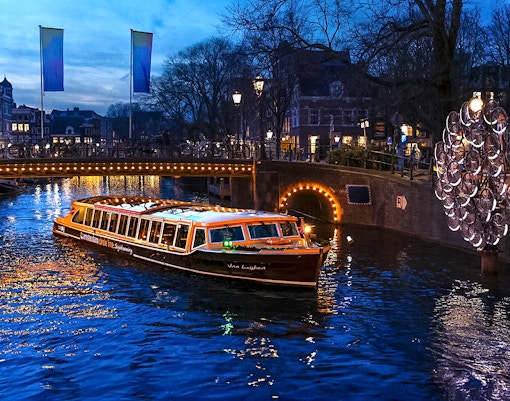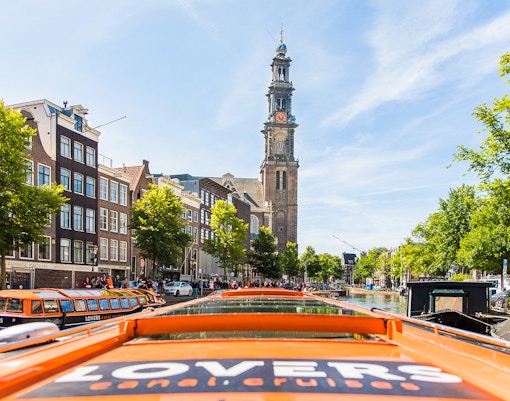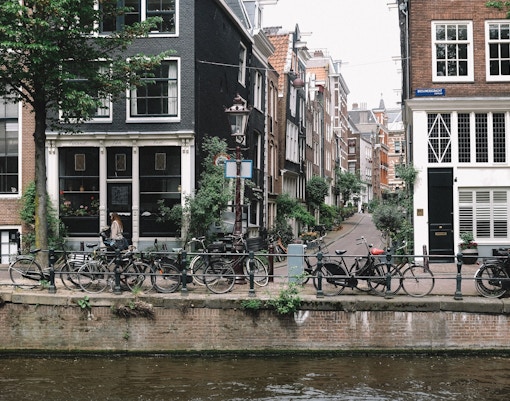
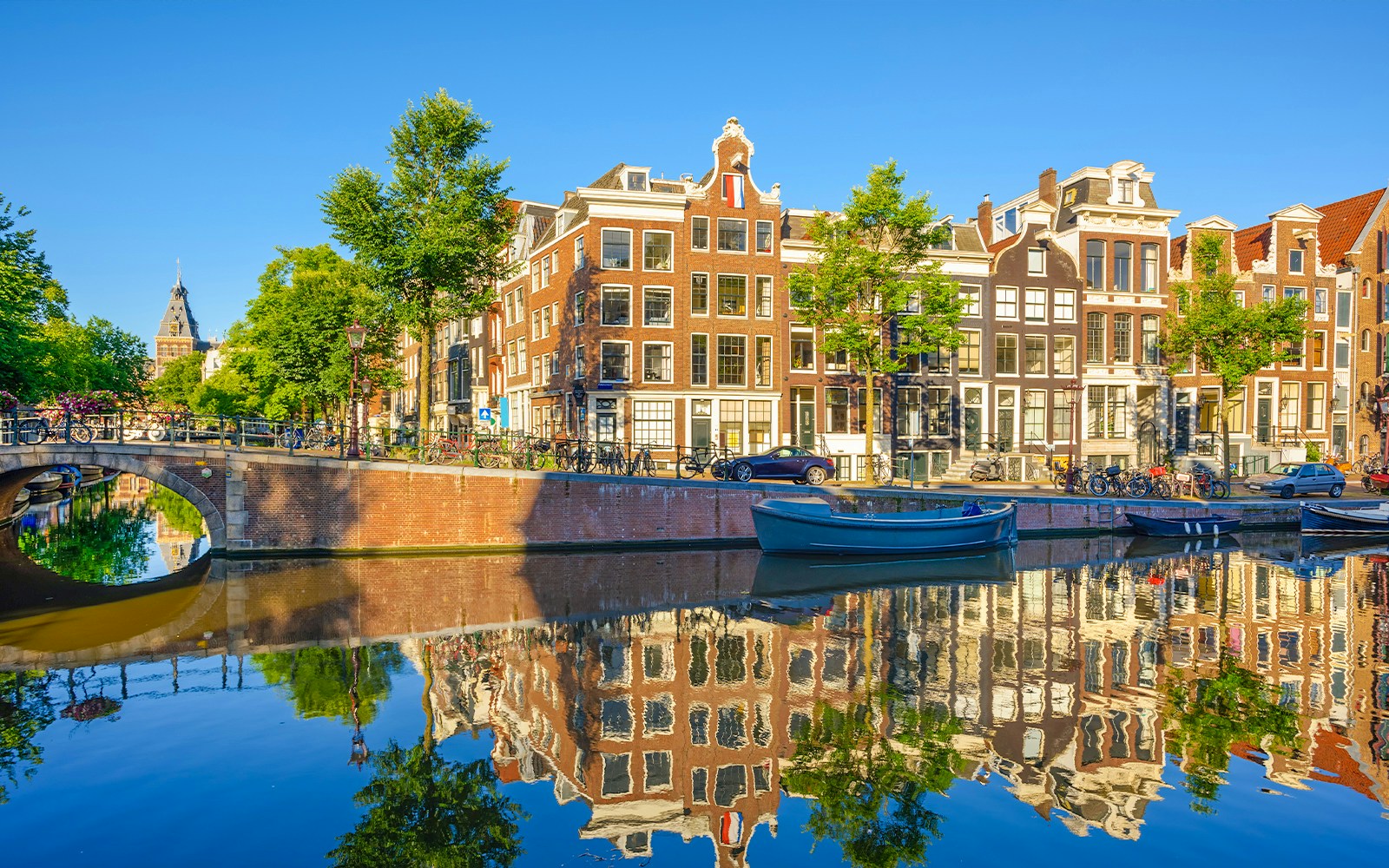
Often voted the most beautiful street in the city, the Brouwersgracht (Brewers’ Canal) marks the northern boundary of the central Amsterdam canals. Historically, this area was the industrial heart of the canal belt, home to numerous breweries and tanneries that used the fresh water of the Amsterdam canals. Today, the massive former warehouses with their colourful shutters have been converted into some of the most sought-after residential lofts along the Amsterdam canals. Its location at the intersection of the four main waterways makes it a focal point for photographers capturing the quintessential Dutch reflection of brickwork on water.
The story of the Amsterdam Canals | Highlights, visitor’s guide & more
What are the Amsterdam canals?
The Amsterdam canals are a vast, interconnected network of 165 waterways that serve as the architectural spine of the Dutch capital. Originally engineered in the 17th century to facilitate trade and manage water levels, the Amsterdam canals transformed a marshy landscape into a flourishing port city arranged in a distinctive concentric "Grachtengordel" or Canal Ring.
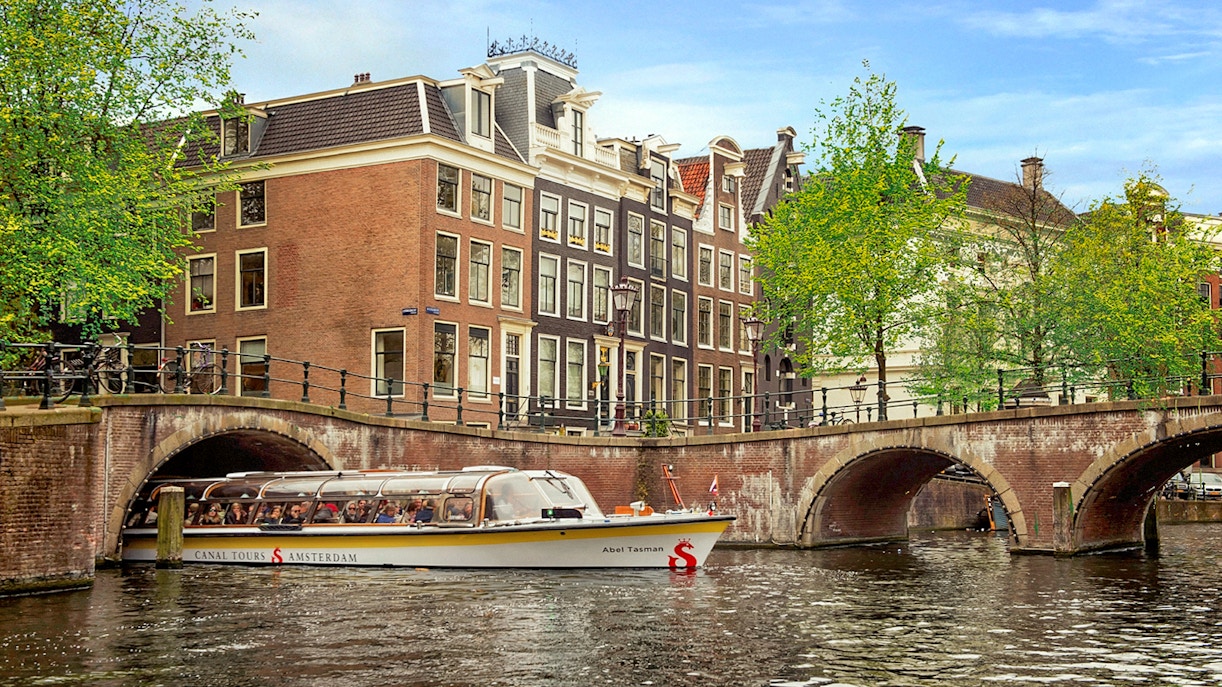
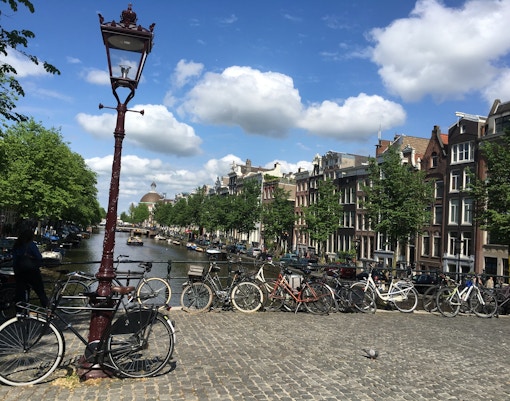
This cultural landmark is defined by rows of narrow, gabled merchant houses that lean over the water, the rhythmic clatter of bicycles crossing over 1,500 arched stone bridges, and the gentle hum of electric boats navigating the green-tinted currents. Moving through the Amsterdam canals, you encounter a living history where the scent of brackish water meets the sight of colourful houseboats and the reflection of centuries-old brickwork, making the Amsterdam canals an essential fusion of urban infrastructure and artistic heritage.
Amsterdam Canals | Quick facts
Plan your visit to the Amsterdam canals
Best time to visit
Location
What to do on the Amsterdam canals
What to see at the Amsterdam canals
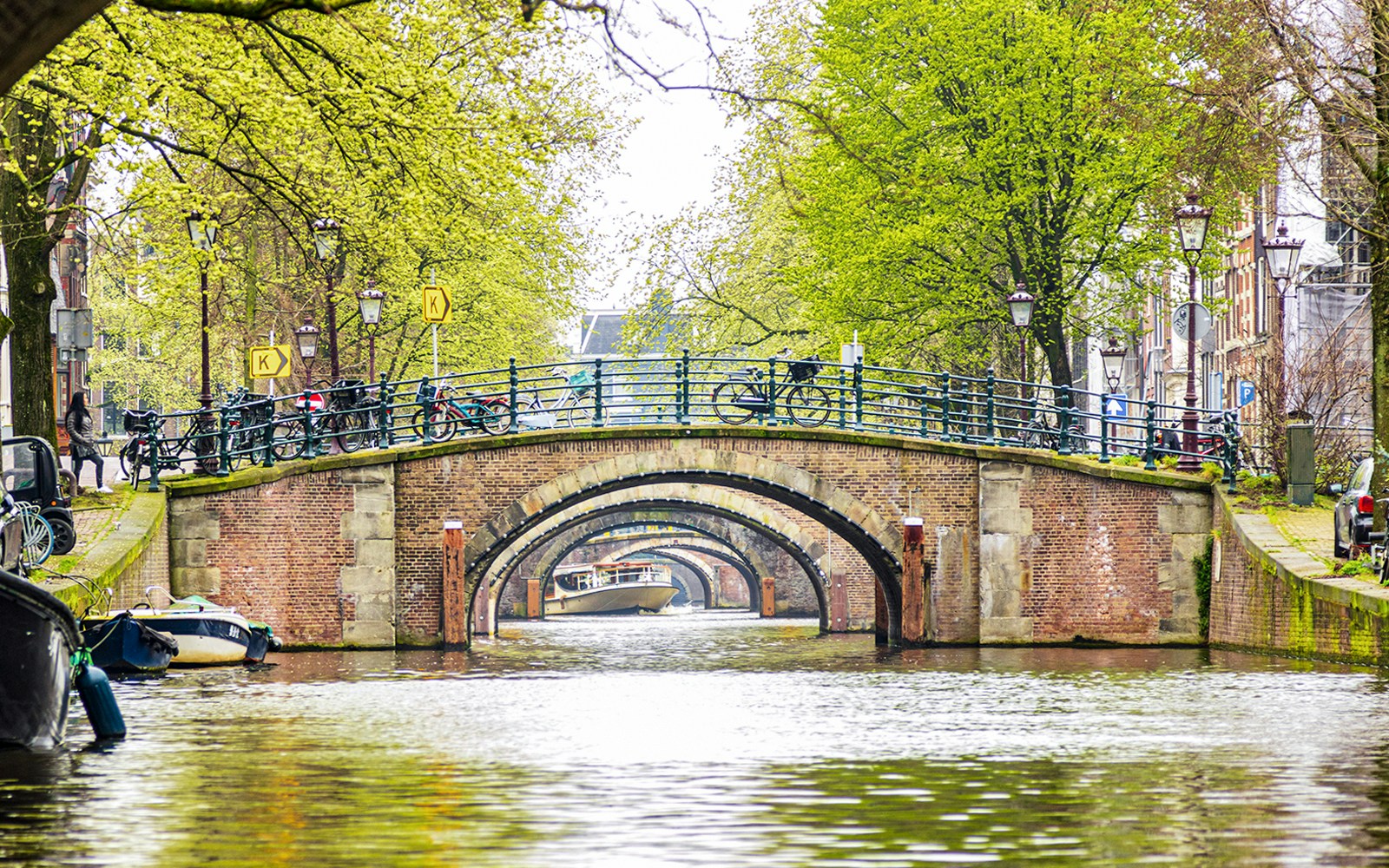
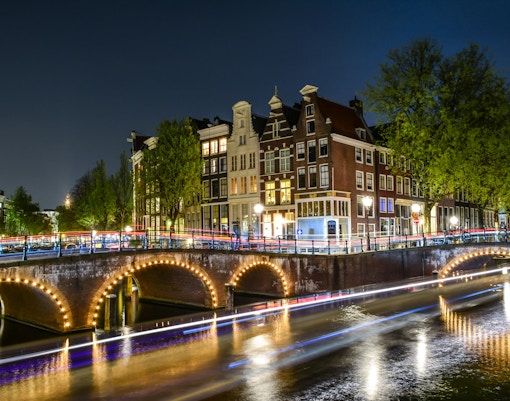
The Seven Bridges view (Reguliersgracht)
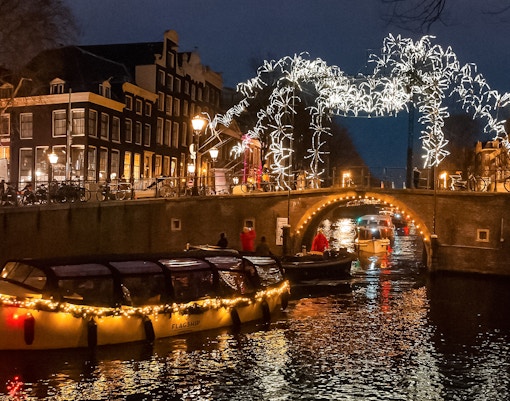
Standing at the intersection of Reguliersgracht and Herengracht, you can see seven arched stone bridges of the Amsterdam canals perfectly aligned. It is most striking at night when the arches are illuminated, casting golden glows on the water.
History of the Amsterdam canals in a nutshell
Who built the Amsterdam canals?
The grand design of the Amsterdam canals was spearheaded by the Heren Regeerders, a powerful body of city regents and wealthy merchants who governed the city during the 16th and 17th centuries. Seeking to transform Amsterdam into a world-class maritime hub, these officials financed and oversaw a massive urban expansion project known as the "Grachtengordel." Their influence is physically etched into the landscape of the Amsterdam canals; for instance, the Herengracht (Gentlemen's Canal) was named directly in their honour. These planners combined practical commerce with aesthetic grandeur, ensuring that the Amsterdam canals would support heavy trade while serving as a prestigious residential district for the elite.
Architecture and layout of the Amsterdam canals
The layout of the Amsterdam canals is a unique architectural feat that deviates from the standard rectangular grids found in most canal cities. Instead, the Amsterdam canals are organised into a distinctive "Crescent" or "Polygonal" shape, consisting of five "kinked" straights that form a concentric semi-circle around the medieval core. These waterways radiate out from the city's heart at Dam Square, creating a masterfully planned urban web. This man-made structure was designed to maximise waterfront access for merchant warehouses during the Dutch Golden Age, resulting in the iconic, narrow-fronted buildings that characterise the Amsterdam canals today.
Major Amsterdam canals
Other notable Amsterdam canals
Tips for visiting the Amsterdam canals
- Book evening cruises early: The Amsterdam canals are most atmospheric at twilight when the bridges are illuminated; reserve these popular slots in advance to ensure availability.
- Explore beyond the centre: While the main Amsterdam canals are beautiful, head to the Jordaan district for quieter, more intimate views of the smaller Amsterdam canals.
- Mind the bike lanes: When stopping to photograph the Amsterdam canals, always stay clear of the red asphalt bike paths to avoid accidents.
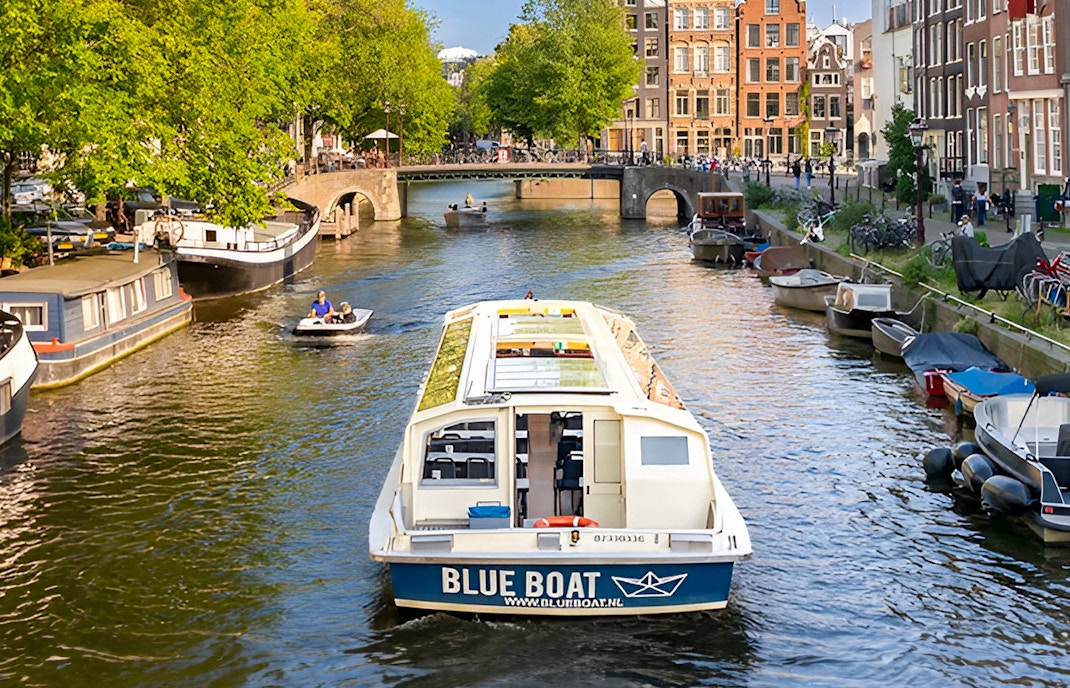
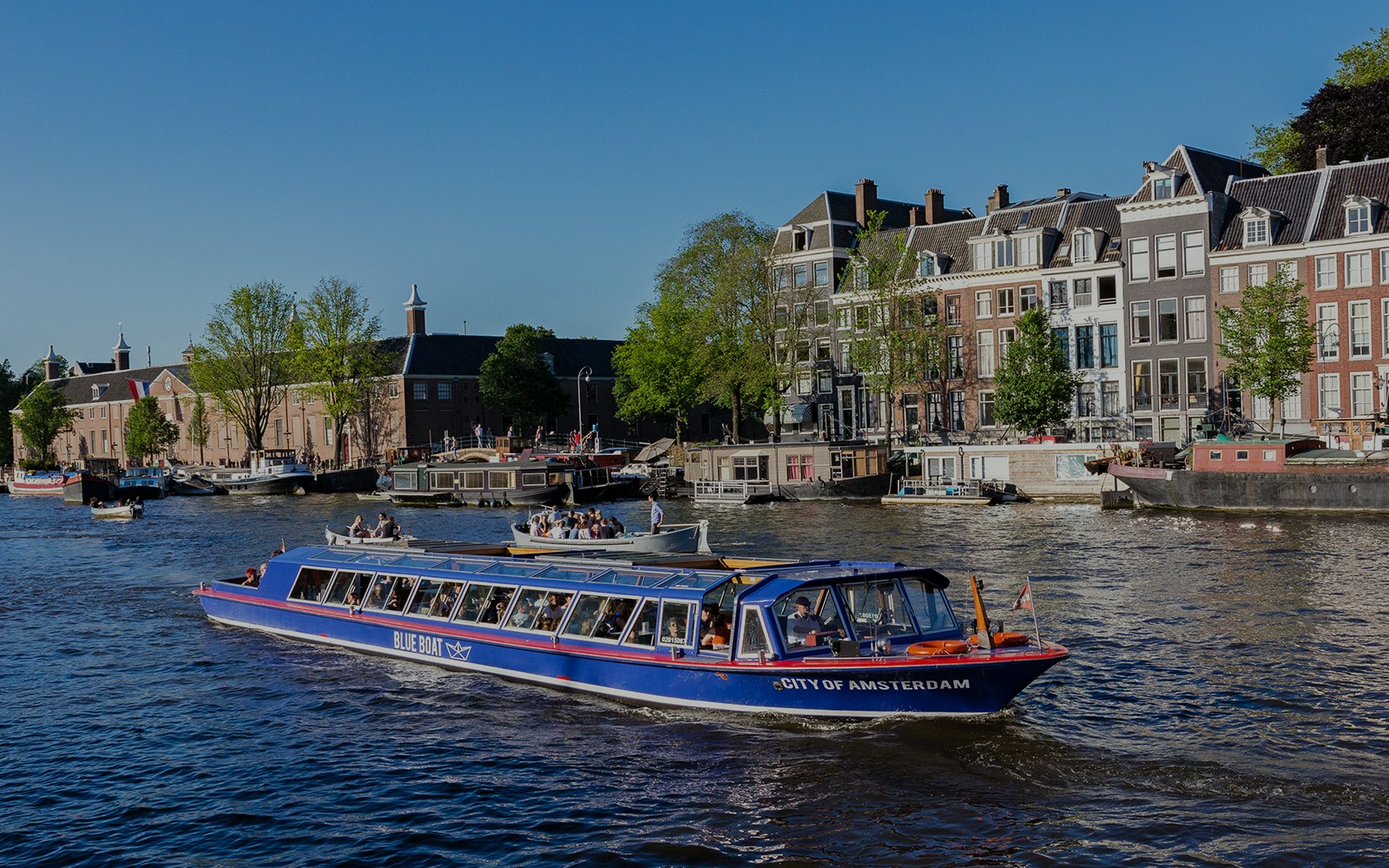
- Check accessibility: Many historic boats are not wheelchair-friendly; look for Blue Boat cruises if you require wheelchair access.
- Watch the weather: Open-top boats offer the best views of the Amsterdam canals, but keep a light rain jacket handy for sudden Dutch showers.
Frequently asked questions about the Amsterdam canals
Many buildings along the Amsterdam canals sit on wooden piles driven into swampy soil. Over centuries, these piles shift or rot, causing "dancing houses." Today, engineers use concrete poles to stabilise structures bordering the Amsterdam canals.
While not for drinking, the Amsterdam canals are cleaner than ever. Waternet flushes the Amsterdam canals regularly by opening locks to circulate fresh water. Most houseboats are now connected to the sewer system to protect the Amsterdam canals.
The Amsterdam canals host the Amsterdam Light Festival in winter and the Amsterdam City Swim for charity. King’s Day and Pride also see thousands of boats celebrating on the Amsterdam canals.
Yes, you can rent electric boats or pedal boats to navigate the Amsterdam canals independently. No license is required for small rentals. It’s a favourite for families wanting a private picnic while floating through the Amsterdam canals.
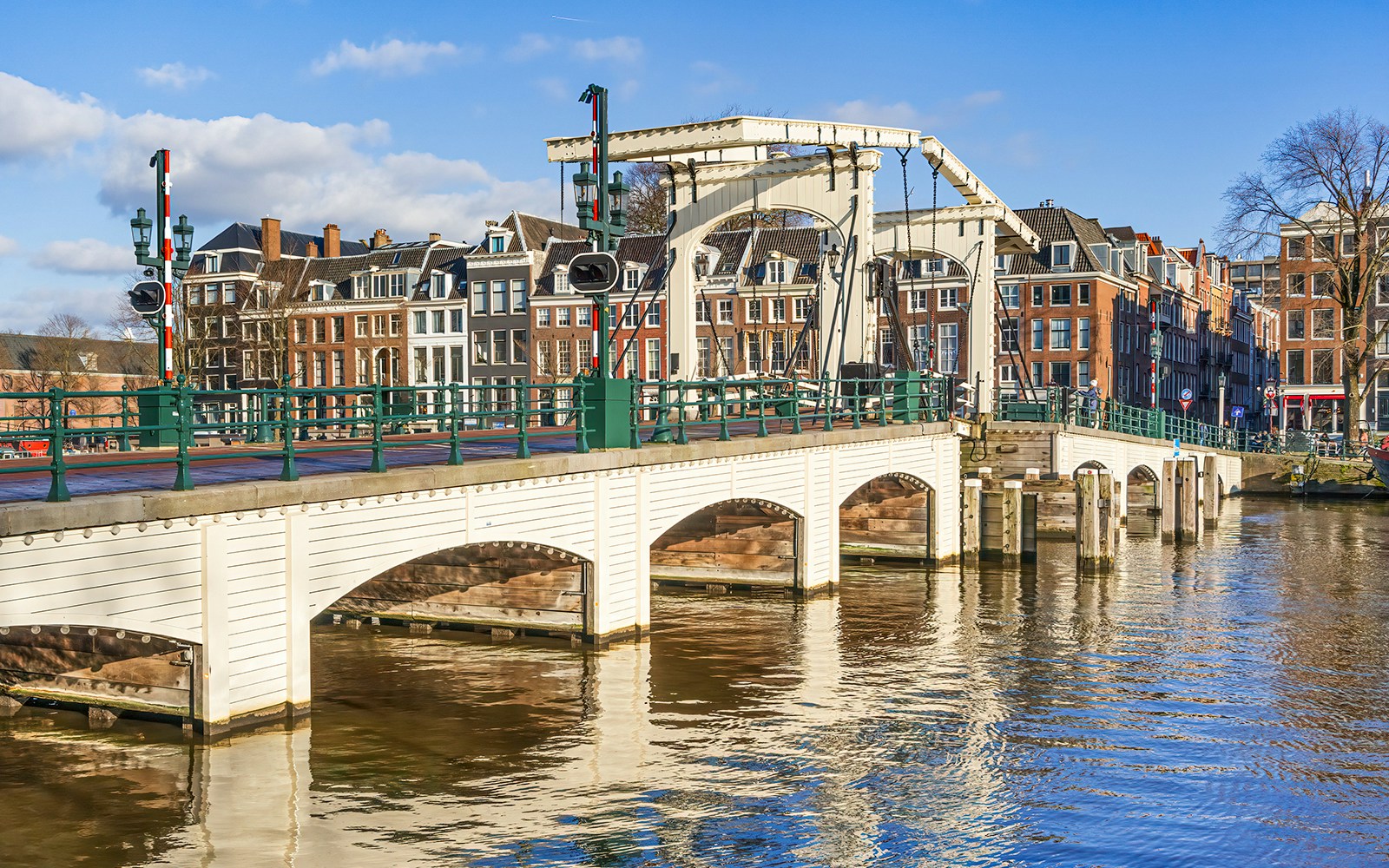
The bridge at the corner of Reguliersgracht and Herengracht offers a view of 15 bridges simultaneously. The Magere Brug (Skinny Bridge) is another iconic spot for photographers to capture the evening glow of the Amsterdam canals.
On average, the Amsterdam canals are about 2.1 to 3 meters deep. Despite the depth, the bottom of the Amsterdam canals is famously filled with thousands of discarded bicycles, which are cleared annually by specialised "bike fishing" barges.
Official swimming is generally discouraged in the Amsterdam canals due to boat traffic and submerged objects like bicycles. However, during the annual Amsterdam City Swim, the Amsterdam canals are specially cleared and tested for legal participants.